Table of Contents
For construction contractors, building material distributors, project developers, and wholesale importers, few sourcing decisions have a bigger impact on project performance than selecting the right structural panel.
Two products dominate today’s global market:
Both are widely used in residential construction, commercial projects, roofing systems, flooring, wall sheathing, and prefabricated buildings.
Yet many buyers continue asking:
Is OSB better than plywood?
Or perhaps more importantly:
Which material provides the best balance of cost, strength, durability, and long-term value?
This comprehensive guide explains the real-world differences between OSB and plywood and helps global buyers determine which product best suits their projects and markets.
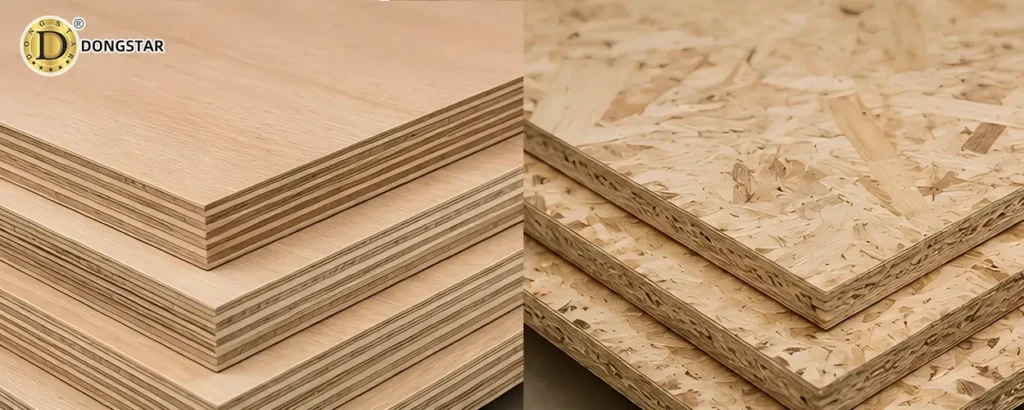
Understanding OSB and Plywood
Although both materials are engineered wood panels, they are manufactured differently and perform differently under various conditions.
What Is OSB?
Oriented Strand Board (OSB) is manufactured by compressing layers of wood strands with waterproof adhesives under high pressure and temperature.
The wood strands are arranged in specific orientations to maximize structural strength.
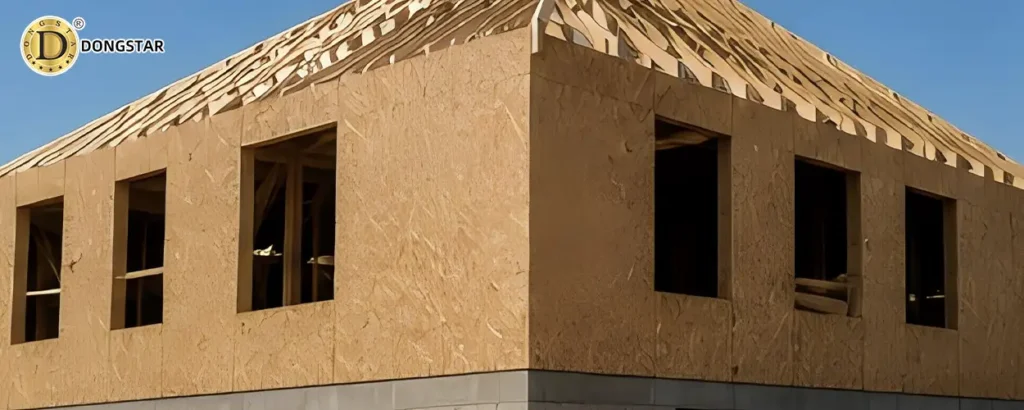
Modern OSB panels are widely used in:
Roof decking
Wall sheathing
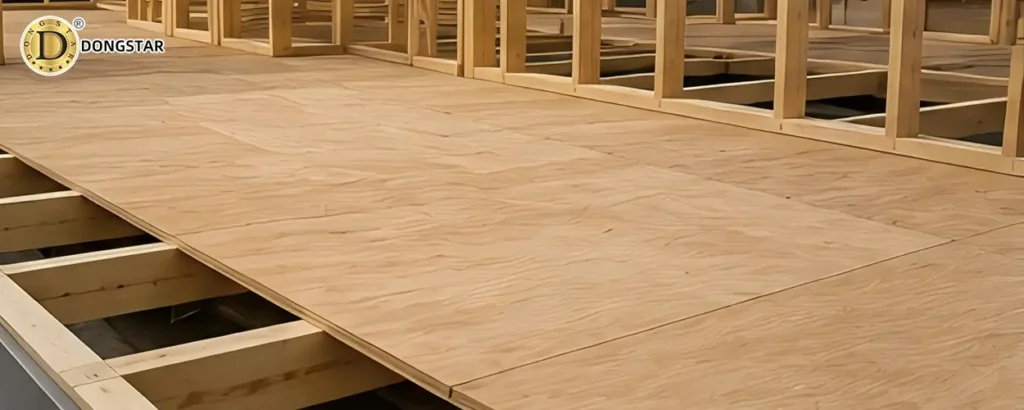
Flooring systems
Modular housing
Timber frame construction
Because of its efficient manufacturing process, OSB has become one of the fastest-growing structural wood products worldwide.
What Is Plywood?
Plywood is produced by bonding multiple thin layers of wood veneer together with strong adhesives.
Each veneer layer is placed perpendicular to the previous layer.
This cross-laminated structure provides:
excellent dimensional stability
strong load-bearing performance
improved resistance to warping
Plywood remains one of the most versatile building materials in the world.
OSB vs Plywood: Manufacturing Differences
OSB Production Process
OSB uses:
wood strands
resin adhesives
heat pressing technology
This process maximizes wood utilization and reduces waste.
Plywood Production Process
Plywood uses:
rotary-cut veneers
hardwood or softwood cores
multilayer bonding systems
The manufacturing process is generally more labor-intensive.
OSB vs Plywood Cost Comparison
For many importers, cost is the first consideration.
Why OSB Is Often Less Expensive
OSB manufacturing uses:
smaller timber resources
faster production methods
optimized material utilization
As a result, OSB generally costs:
5%–25% less
than comparable plywood products, depending on region and market conditions.
Why Many Buyers Still Choose Plywood
Although plywood often carries a higher purchase price, buyers frequently find that it delivers better value through:
longer service life
higher durability
improved moisture resistance
reduced replacement costs
For large-scale projects, total lifecycle cost often matters more than initial panel pricing.
OSB vs Plywood Strength Comparison
Strength is one of the most frequently searched topics among contractors and engineers.
Plywood Strength Advantages
Plywood offers:
superior impact resistance
higher fastener holding capacity
greater flexibility under load
better resistance to edge damage
These characteristics make plywood particularly attractive for:
heavy-duty construction
transportation applications
reusable formwork systems
OSB Strength Advantages
Modern structural OSB provides:
excellent shear strength
consistent load distribution
strong performance in wall systems
Because of its uniform composition, OSB often performs very well in structural sheathing applications.
Moisture Resistance: Which Material Performs Better?
One of the most important considerations for importers is moisture performance.
This factor directly impacts durability, especially in regions with:
high humidity
heavy rainfall
coastal environments
Plywood Under Moisture Exposure
Quality plywood generally:
dries faster
experiences less edge swelling
maintains structural integrity longer
This makes plywood a preferred choice in challenging climates.
OSB Under Moisture Exposure
Modern OSB panels include water-resistant adhesives.
However, prolonged moisture exposure can lead to:
edge swelling
slower drying times
dimensional changes
For projects involving repeated wetting and drying cycles, plywood often has an advantage.
OSB vs Plywood for Roofing Applications
Roof systems represent one of the largest applications for both products.
Why Builders Choose OSB
Benefits include:
lower cost
uniform thickness
strong panel consistency
This explains why OSB dominates residential roofing in many markets.
Why Some Contractors Prefer Plywood
Plywood offers:
superior moisture recovery
higher nail retention
greater durability during construction exposure
For premium projects, many builders still favor plywood.
OSB vs Plywood for Flooring
Flooring performance requires:
stiffness
fastener retention
dimensional stability
Plywood generally provides:
better long-term performance
reduced squeaking
improved durability
OSB remains a cost-effective alternative for standard residential construction.
OSB vs Plywood for Wall Sheathing
Both products perform effectively in wall systems.
Selection often depends on:
budget
climate
local building codes
contractor preferences
In many North American markets, OSB dominates due to lower costs.
Sustainability and Environmental Considerations
Environmental performance increasingly influences purchasing decisions.
OSB Sustainability Benefits
OSB uses:
fast-growing species
smaller diameter logs
efficient raw material utilization
This reduces resource waste.
Plywood Sustainability Benefits
Certified plywood sourced from responsibly managed forests can provide excellent environmental credentials.
Many buyers now request:
CARB compliance
EPA compliance
when selecting suppliers.
Global Market Trends in 2026
Several market trends are driving demand.
Growth in Modular Construction
Prefabricated and modular building systems continue expanding globally.
Both OSB and plywood play critical roles in these applications.
Increased Demand for Structural Panels
Growing construction activity in:
North America
Europe
Middle East
Southeast Asia
continues driving imports.
Rising Interest in Sustainable Building Materials
Governments and developers increasingly prioritize certified wood products.
How Importers Should Choose Between OSB and Plywood
The answer depends on project goals.
Choose OSB If Your Priority Is:
lower cost
large-volume housing projects
structural sheathing
roofing systems
budget-sensitive developments
Choose Plywood If Your Priority Is:
moisture resistance
durability
reusable applications
premium construction
long-term performance
How to Choose a Reliable OSB Board Supplier
When evaluating suppliers, buyers should verify:
Manufacturing Capacity
production lines
monthly output
export capability
Product Certifications
FSC
CE
CARB
EPA
SGS
Quality Control Systems
density consistency
thickness tolerance
moisture content control
How to Choose a Reliable China Plywood Supplier
Professional suppliers should demonstrate:
factory ownership
export experience
certification compliance
stable quality systems
project references
Buyers should always request:
product samples
inspection reports
production photos
loading records
before placing large orders.
Why Global Buyers Work with Dongstar
Dongstar supports international importers, distributors, wholesalers, and contractors with:
The company focuses on:
export-oriented production
strict quality control
OEM manufacturing
stable supply capability
professional logistics support
FAQs
OSB provides excellent structural strength, but plywood generally offers better impact resistance and fastener holding performance.
OSB manufacturing uses wood strands and highly efficient production methods, reducing overall costs.
In most cases, yes. Plywood typically performs better when exposed to repeated moisture cycles.
Both are commonly used, but the choice depends on budget, climate, and project specifications.
Under demanding conditions, plywood often demonstrates longer service life.
Yes. Many Chinese manufacturers provide competitive pricing, large production capacity, and extensive export experience.
Final Thoughts
The OSB vs Plywood debate does not have a universal winner.
Both products have clear advantages.
For cost-driven structural applications, OSB often provides excellent value.
For projects requiring greater durability, moisture resistance, and long-term performance, plywood frequently remains the preferred solution.
The most successful importers evaluate project requirements carefully and partner with reliable OSB Board Suppliers and China Plywood Suppliers capable of delivering consistent quality, certification compliance, and dependable supply.