Table of Contents
If you import wood panels for construction, furniture production, interior decoration, or wholesale distribution, choosing between China OSB Board and China MDF Board directly affects your profit margins, customer satisfaction, and long-term business growth.
In 2026, buyers across Europe and North America are paying closer attention to material stability, moisture resistance, ESG compliance, and cost efficiency. Search trends also show rising demand for engineered wood panels like Oriented Strand Board-OSB, Medium Density Fibreboard, and High Density Fibreboard (HDF) as builders and manufacturers look for affordable alternatives to plywood and solid wood.
So which panel is the smarter choice for your next project?
The answer depends on your application, budget, and market positioning.
What Is Oriented Strand Board-OSB?
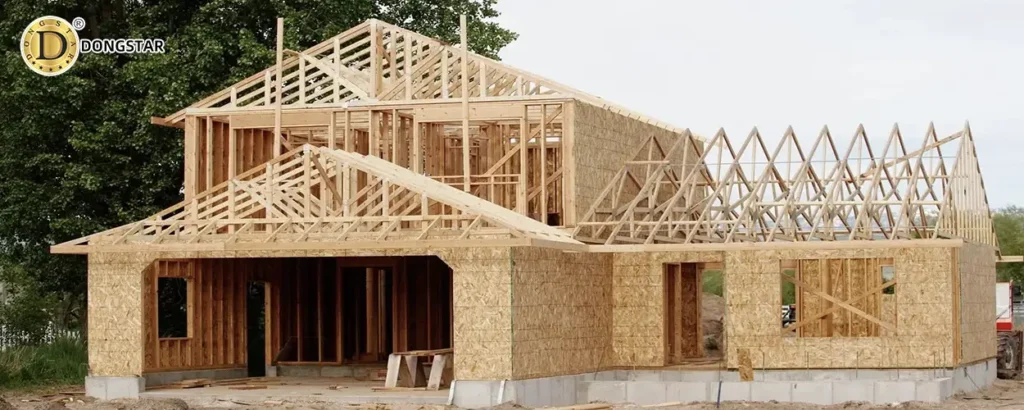
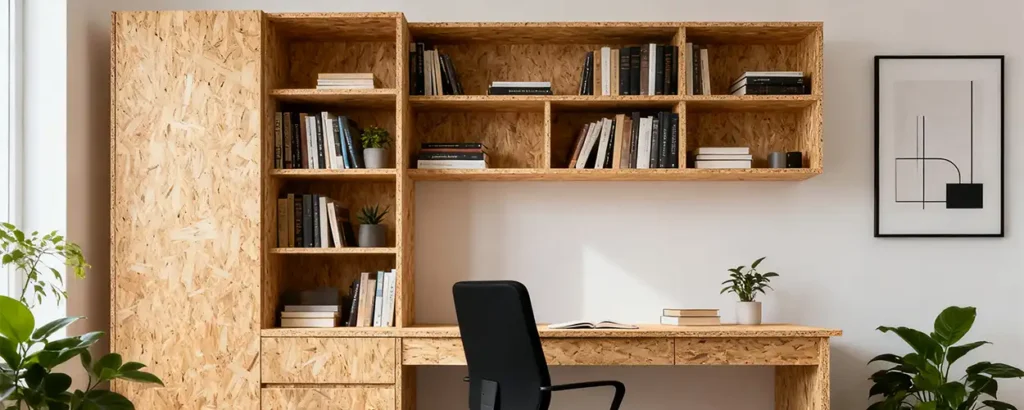
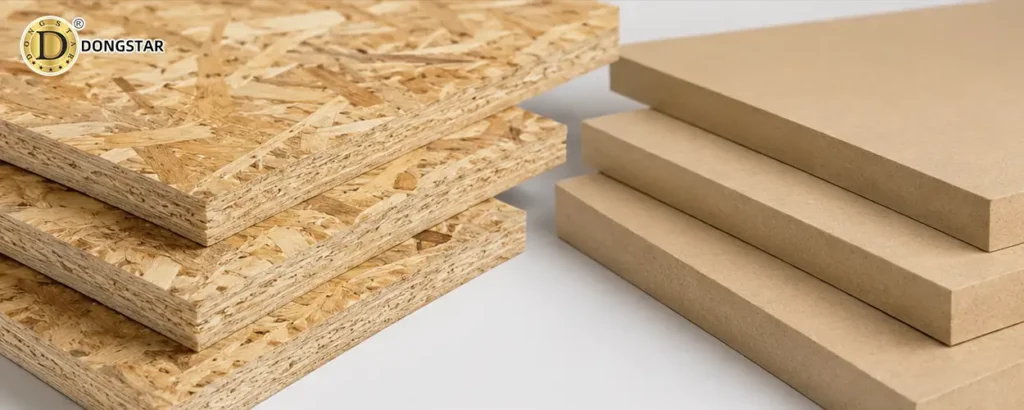
Oriented Strand Board (OSB) is an engineered wood panel made from compressed wood strands bonded with waterproof adhesives under high heat and pressure. The strands are arranged in specific directions, giving the board strong structural performance.
OSB is widely used in:
- Wall sheathing
- Roofing
- Subflooring
- Packaging
- Modular housing
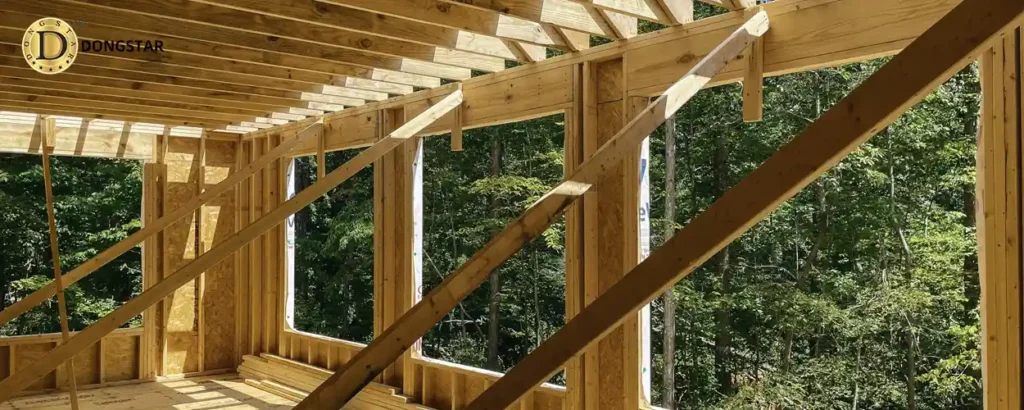
- Timber-frame construction
- Commercial construction projects
In North America and Europe, OSB has become one of the most popular structural panel materials because of its strength-to-cost ratio. Recent market reports show that OSB demand continues to rise due to modular construction and sustainable building initiatives.
Why Importers Prefer China OSB Board
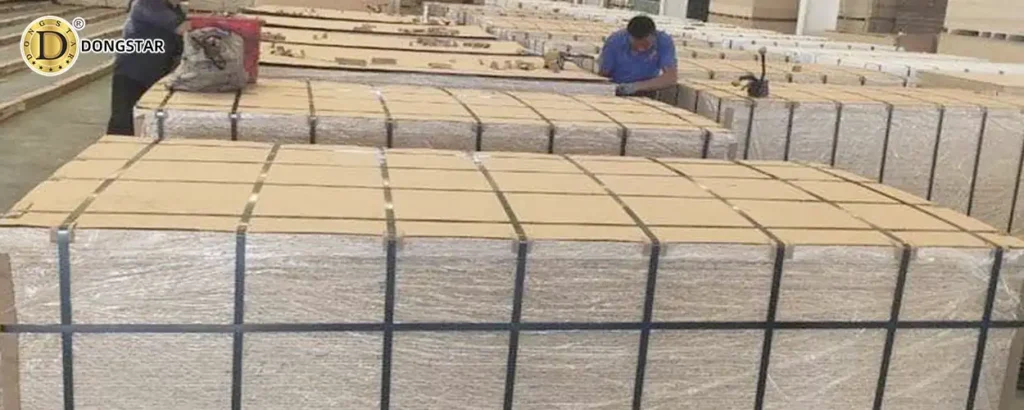
Many distributors and project contractors now source China OSB Board because Chinese manufacturers can provide:
- Stable bulk supply
- Competitive container pricing
- Custom sizes and thickness
- FSC and CARB certification options
- Faster production lead times
- OEM branding support
For large-scale construction projects, OSB often reduces total material cost compared with plywood.
What Is Medium Density Fibreboard (MDF)?
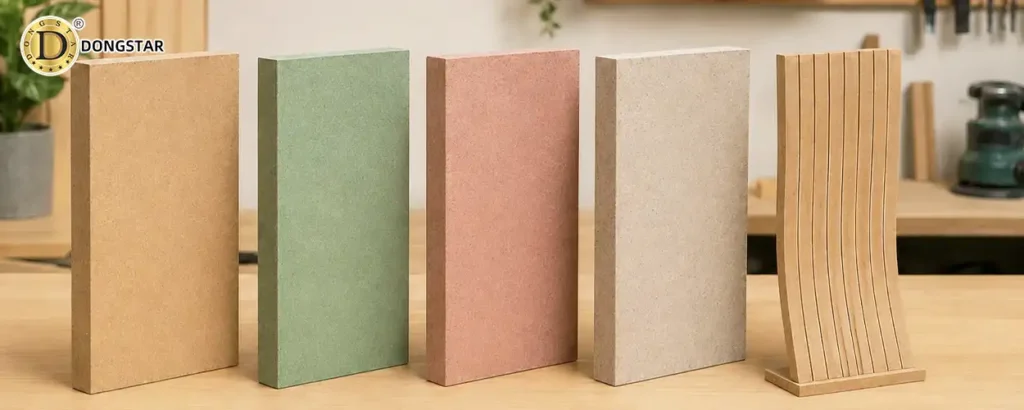
Medium Density Fibreboard (MDF) is manufactured by breaking down hardwood or softwood fibers into fine particles and compressing them with resin and wax under heat and pressure.
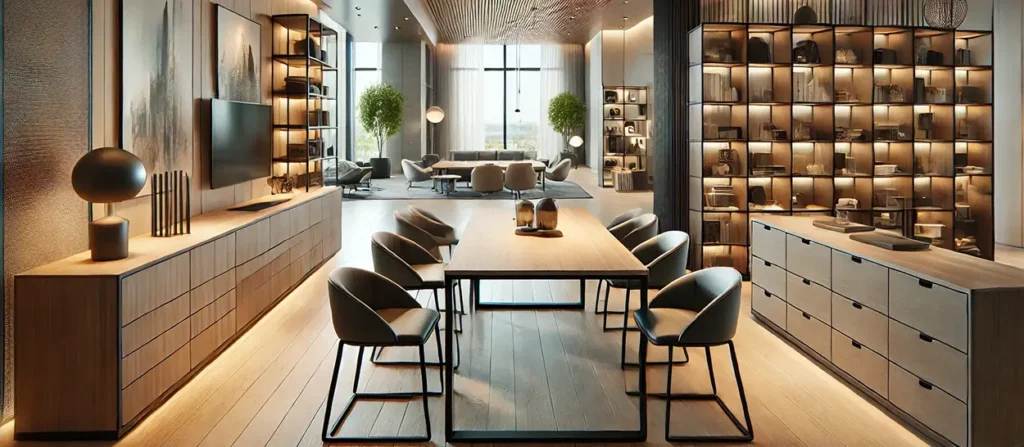
Unlike OSB, MDF has a smooth and uniform surface, making it ideal for decorative and furniture applications.
Typical uses include:
- Cabinets
- Wardrobes
- Office furniture
- Wall panels
- Decorative interiors
- Laminate flooring substrates
- CNC carving
Because of its smooth finish, MDF is widely used in modern furniture manufacturing and interior decoration industries.
What About High Density Fibreboard (HDF)?
High Density Fibreboard (HDF) is a denser and stronger version of MDF.
Compared with standard MDF, HDF offers:
- Better impact resistance
- Higher load-bearing performance
- Improved durability
- Smoother machining quality
HDF is commonly used for:
- Premium flooring
- Doors
- Luxury furniture
- Decorative wall systems
- High-end cabinetry
OSB vs MDF: Key Differences Buyers Must Understand
| Feature | Oriented Strand Board-OSB | Medium Density Fibreboard |
|---|---|---|
| Main Application | Structural construction | Furniture & interior decoration |
| Surface Finish | Rough texture | Smooth surface |
| Strength | High structural strength | Moderate |
| Moisture Resistance | Better (especially OSB3) | Lower unless moisture-resistant MDF |
| Machining | Limited precision | Excellent CNC performance |
| Weight | Lighter | Heavier |
| Cost | Lower for structural use | Competitive for furniture |
| Screw Holding | Strong | Moderate |
| Paint Finish | Requires treatment | Excellent |
| Common Markets | Construction & packaging | Furniture & cabinetry |
For structural projects, OSB is usually the preferred solution.
For furniture manufacturing and decorative applications, MDF remains the industry standard.
Why OSB Demand Is Growing Fast in Europe & North America
Several major market trends are driving global OSB demand:1. Modular Construction Boom
Prefab and modular housing projects require lightweight and strong structural panels. OSB is ideal because it combines durability with lower cost.2. Sustainable Construction Policies
European green building regulations increasingly encourage engineered wood products. OSB production uses fast-growing timber species more efficiently than traditional plywood.3. Cost Pressure in Construction
Builders are looking for lower-cost alternatives without sacrificing performance. OSB typically costs less than plywood while delivering comparable structural strength.4. Rising Timber-Frame Housing
Timber-frame construction continues expanding in Germany, the UK, Scandinavia, Canada, and the United States, increasing OSB consumption.When MDF Is Still the Better Choice
Despite the rise of OSB, MDF still dominates several industries.
Choose China MDF Board if your customers need:
- Smooth painting surfaces
- Decorative laminated finishes
- Precision cutting
- Detailed edge profiling
- Interior furniture production
- CNC machining
Furniture factories prefer MDF because it creates a cleaner visual appearance and supports advanced manufacturing processes.
For premium applications, High Density Fibreboard offers even better machining quality and durability.
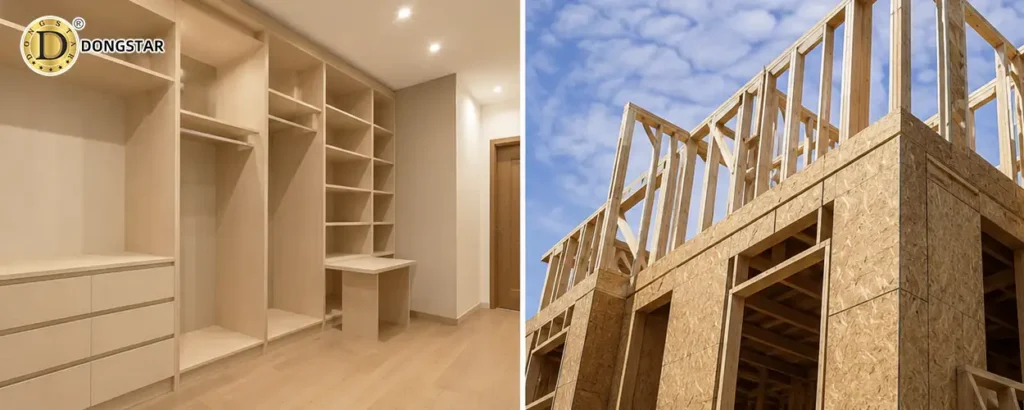
How Importers Can Reduce Risk When Buying China OSB Board or China MDF Board
Not all suppliers deliver the same quality.
Professional buyers should evaluate:
Certification
Look for:
- FSC
- CARB P2
- EPA
- CE
- E0/E1 formaldehyde standards
Production Capacity
Large factories provide:
- Stable delivery schedules
- Better container consolidation
- Lower supply chain risk
Moisture Resistance
For humid climates, moisture-resistant grades are critical.
Thickness Tolerance
Consistent thickness improves downstream manufacturing efficiency.
Packaging Quality
Strong export packaging reduces shipping damage.
OSB vs MDF Pricing Trends in 2026
Global engineered wood demand remains strong in 2026, especially in Europe and North America. Recent industry data shows that OSB pricing continues to fluctuate based on construction demand, freight costs, and timber supply conditions.
Current trends show:
- OSB demand rising in modular housing
- MDF demand staying stable in furniture manufacturing
- Higher interest in moisture-resistant and low-emission panels
- Increased focus on sustainable sourcing
Importers are also shifting more sourcing to Asia to improve supply flexibility and pricing competitiveness.
Which Board Should Your Business Choose?
Choose Oriented Strand Board-OSB If You Need:
- Structural performance
- Lower project cost
- Construction applications
- Moisture resistance
- Large-volume building projects
Choose Medium Density Fibreboard If You Need:
- Decorative surfaces
- Furniture manufacturing
- Precision machining
- Interior design applications
- Smooth painting finishes
Choose High Density Fibreboard If You Need:
- Premium furniture
- Durable flooring substrates
- High-end decorative panels
- Better impact resistance
Why More Global Buyers Source from China
China remains one of the world’s largest engineered wood panel manufacturing bases.
Leading Chinese suppliers now offer:
- Automated production lines
- OEM customization
- Stable export experience
- Competitive FOB pricing
- Large monthly capacity
- Multi-product sourcing
For distributors serving multiple industries, sourcing both China OSB Board and China MDF Board from one supplier can simplify logistics and reduce purchasing costs.
Conclusion
The debate between OSB vs MDF is not about which product is universally better — it is about choosing the right material for the right market.
- Oriented Strand Board-OSB dominates modern construction and structural projects.
- Medium Density Fibreboard remains essential in furniture and interior decoration.
- High Density Fibreboard fills the premium segment for durability and surface quality.
As construction methods evolve and sustainable materials gain importance, importers and wholesalers who understand these differences will be better positioned to win long-term business in competitive markets.
If your company is looking for reliable engineered wood panel suppliers, working with an experienced Chinese manufacturer can help improve both profitability and supply chain stability.