Home » DIY Plywood

DIY Plywood

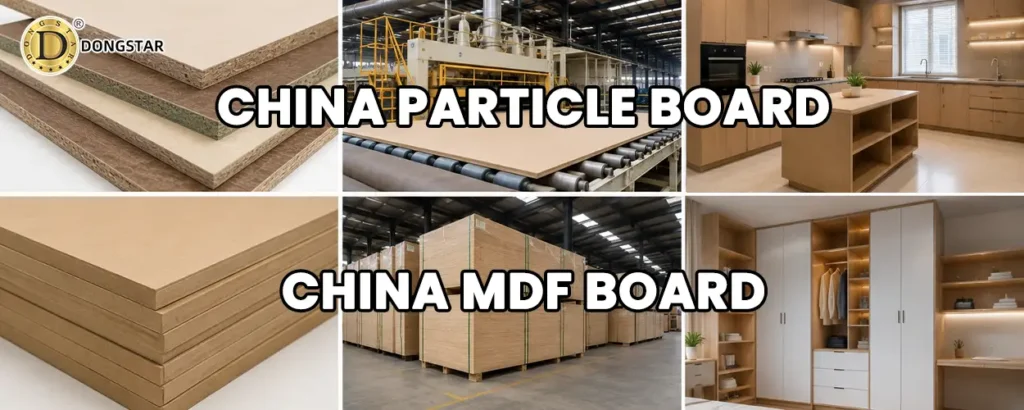
China MDF Board VS Particle Board

MDF vs Particle Board: Which One Should You Import in 2026?

Table of Contents For importers, furniture manufacturers, wholesalers, distributors, and project contractors, choosing the right engineered wood panel can directly impact product quality, customer satisfaction, and profit margins.Among all wood-based panels available today, two products dominate the global furniture and interior decoration industries: MDF Board Particle Board However, many buyers still struggle with an important question:Which one should you import—MDF or Particle Board?As global furniture production continues shifting toward cost efficiency and sustainability, understanding the differences between MDF and Particle Board has become increasingly important. This guide provides a practical comparison based on manufacturing, durability, cost, applications, and sourcing considerations to help buyers make the right decision. What Is MDF? MDF (Medium Density Fiberboard) is an engineered wood panel manufactured from refined wood fibers combined with resin and wax under high temperature and pressure.Unlike plywood, MDF does not contain wood veneers.Instead, it has a homogeneous internal structure that provides: smooth surfaces excellent machinability uniform density superior painting performance Because of these characteristics, MDF has become one of the most popular materials in furniture manufacturing worldwide. What Is Particle Board? Particle Board, also known as chipboard, is produced using wood particles, chips, sawdust, and resin compressed into sheets. Compared with MDF, Particle Board contains larger wood particles and has a less uniform internal structure. Its main advantages include: lower manufacturing cost lightweight construction wide availability cost-effective furniture production For budget-oriented projects, Particle Board remains one of the most widely used engineered wood products globally. MDF vs Particle Board: Key Differences Density and Structure MDF consists of fine wood fibers.Particle Board contains larger wood chips and particles.As a result: MDF Advantages smoother surface better edge finishing improved machining stronger screw holding Particle Board Advantages lighter weight lower production cost easier transportation Surface Quality Surface quality is one of the biggest differences between the two products. MDF Surface MDF provides: exceptionally smooth finish easy painting precise CNC cutting superior decorative applications This makes MDF the preferred choice for premium furniture manufacturers. Particle Board Surface Particle Board often requires: melamine lamination veneer application decorative overlays to achieve similar appearance standards. Strength and Durability When evaluating furniture performance, strength becomes critical. MDF Offers: better internal density stronger screw retention higher machining stability Ideal for: kitchen cabinets wardrobe systems decorative wall panels office furniture Particle Board Offers: adequate strength for budget furniture acceptable structural performance However, repeated assembly and disassembly can weaken fastener holding capacity. Moisture Resistance Standard MDF and Particle Board are both vulnerable to water exposure.However, moisture-resistant variants are available. Moisture Resistant MDF Widely used in: kitchens bathrooms commercial interiors Moisture Resistant Particle Board Provides moderate protection but generally performs below MDF under humid conditions. Cost Comparison Cost remains one of the most important factors for importers. Particle Board Typically costs:10%–30% less than MDFdepending on specifications and market conditions. MDF Generally commands a higher price due to: refined manufacturing higher density improved finishing performance MDF vs Particle Board for Furniture Manufacturing Furniture remains the largest application sector for both products. Choose MDF If You Need: premium furniture painted furniture routed decorative designs CNC processing luxury cabinetry Choose Particle Board If You Need: flat-pack furniture budget furniture high-volume production cost-sensitive projects This is why many ready-to-assemble furniture brands continue using Particle Board for mass-market collections. MDF vs Particle Board for Interior Decoration Interior designers increasingly prefer MDF for decorative applications because of its smooth surface and versatility.Popular applications include: wall panels decorative moldings shelving systems display fixtures retail interiors Particle Board is commonly used where aesthetics are less critical. Why Global Buyers Are Increasingly Sourcing MDF from China China remains one of the world’s largest MDF manufacturing hubs.Professional China MDF Board suppliers offer: large production capacity competitive pricing OEM support stable quality control export experience For importers, sourcing directly from a China MDF Board factory often provides significant cost advantages. Why China Particle Board Suppliers Remain Competitive China Particle Board manufacturers continue investing in: advanced production lines low-emission panels sustainable materials melamine finishing technologies This makes China one of the most competitive sourcing destinations globally. MDF vs Particle Board for Importers: Which Delivers Better ROI? The answer depends on your target market. Premium Market Recommended Product: MDF Benefits: higher product value superior appearance better durability stronger customer satisfaction Budget Market Recommended Product: Particle Board Benefits: lower cost competitive pricing mass production suitability improved margins in price-sensitive regions How to Choose a Reliable China MDF Board Supplier Before placing large orders, buyers should verify: Manufacturing Capacity Look for: factory videos production facilities warehouse capacity Certifications Request: FSC CARB P2 EPA CE ISO Quality Control Systems Evaluate: thickness tolerance density consistency moisture content surface finishing How to Choose a Reliable China Particle Board Supplier Important considerations include: Raw Material Quality High-quality wood particles improve panel performance. Formaldehyde Standards Verify compliance with: E0 E1 CARB EPA regulations Export Experience Experienced exporters reduce: shipping delays packaging damage customs issues Market Trends Driving MDF and Particle Board Demand in 2026 Several global trends continue supporting demand. Furniture Manufacturing Growth Demand remains strong across: North America Europe Middle East Southeast Asia Sustainable Building Materials Buyers increasingly prioritize certified wood panels. Modular Furniture Expansion Ready-to-assemble furniture continues driving Particle Board consumption globally. Premium Interior Design Growth Luxury residential and commercial projects continue increasing MDF demand. Why Importers Work with Dongstar As a professional wood panel supplier, Dongstar supports global buyers with: MDF Board Melamine MDF Particle Board Plywood Film Faced Plywood The company focuses on: stable quality OEM production export-oriented service strict quality control reliable delivery schedules FAQs 1. Is MDF stronger than Particle Board? Yes. MDF generally offers higher density and better screw holding performance. 2. Which board is better for furniture? For premium furniture, MDF is usually preferred.For budget furniture, Particle Board is often more economical. 3. Is MDF waterproof? Standard MDF is not waterproof, but moisture-resistant MDF is available. 4. Why is Particle Board cheaper? Particle Board uses larger wood particles and a simpler manufacturing process, reducing production costs. 5. Which material is better for cabinet manufacturing? MDF

MDF vs Particle Board: Which One Should You Import in 2026? Read More »

How to Seal OSB for Outdoor and Moisture-Prone Applications

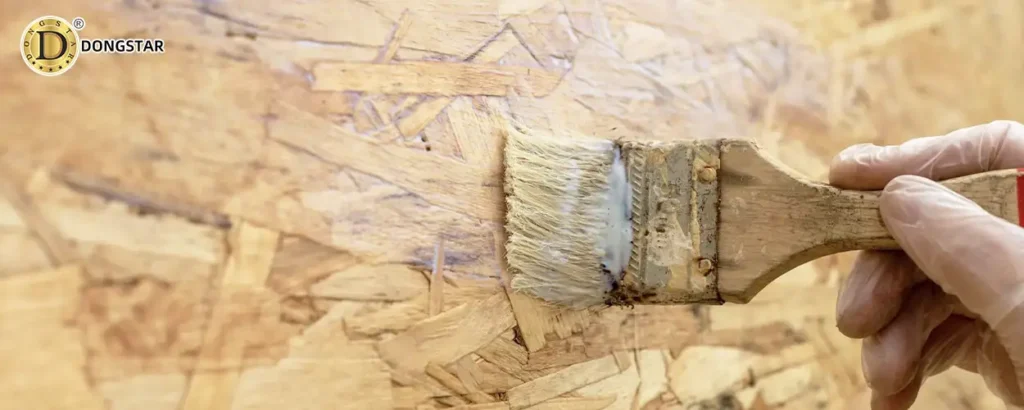
How to Seal OSB for Outdoor and Moisture-Prone Applications?

Table of Contents Introduction to Oriented Strand Board and OSB Applications What is OSB and Why It’s Popular in Construction Oriented Strand Board (OSB) has quickly become a go-to material for modern construction. Made from compressed wood strands bonded with resin, OSB offers impressive strength and cost efficiency. It’s widely used in roofing, wall sheathing, and subflooring across residential and commercial projects. What makes OSB so attractive? Simple — it delivers consistent performance at a lower cost compared to traditional plywood. For project contractors and builders, that’s a big win. Key Benefits of OSB Board for Projects High structural strength Cost-effective alternative to plywood Uniform density and stability Easy to cut and install But here’s the catch — OSB is not fully waterproof. While it resists short-term moisture, prolonged exposure can lead to swelling and degradation. Why Sealing OSB is Critical for Outdoor Use Moisture Risks and Structural Damage If you’re planning to use OSB outdoors, sealing isn’t optional — it’s essential. Unprotected OSB can: Absorb moisture quickly (especially edges) Swell and lose structural integrity Develop mold or rot in humid environments Studies show that untreated OSB exposed outdoors may last only a few months, while sealed boards can last 5–10 years. OSB vs Plywood in Moisture Resistance OSB performs well under load, but when it comes to moisture: OSB absorbs water more evenly Plywood dries faster That’s why sealing plays a bigger role than material choice itself. Types of OSB Boards for Exterior Projects OSB/2 vs OSB/3 vs OSB/4 Explained Choosing the right OSB grade is your first step toward durability. OSB Type Use Case Moisture Resistance OSB/2 Dry interior use Low OSB/3 Humid environments Medium OSB/4 Heavy-duty outdoor use High For outdoor projects, always go with OSB/3 or OSB/4. Choosing the Right OSB for High-Humidity Areas Look for: Waterproof resin bonding Wax-treated strands Exterior-grade certification These features significantly reduce water absorption and improve lifespan. Step-by-Step Guide: How to Seal OSB Surface Preparation Techniques Cleaning and Sanding OSB Board Start with a clean surface: Remove dust and debris Lightly sand rough areas Ensure the board is completely dry Proper prep improves adhesion and prevents uneven sealing. Applying Waterproof Sealers Penetrating Sealers vs Film Coatings Two main options: Penetrating Sealers Soak into fibers Provide internal protection Ideal for long-term durability Film Coatings (Paint/Polyurethane) Create surface barrier Add UV resistance Best for visible surfaces For best results? Use both. Priming and Painting OSB Exterior-Grade Primer Importance Primer is the unsung hero. It: Seals pores Improves paint adhesion Prevents uneven absorption Follow with 2–3 coats of exterior waterproof paint for maximum protection. Edge Sealing (Most Overlooked Step) Here’s where most projects fail. OSB edges absorb water faster than surfaces. Without sealing: Swelling starts from edges Structural failure follows Always apply: Thick sealant Extra coats on cut edges Best Waterproofing Methods for OSB Liquid Sealants and Coatings Easy to apply Affordable Good for general outdoor use Waterproof Membranes Ideal for roofs and walls Provide complete moisture barrier Long-term solution for heavy exposure Laminating OSB Surfaces Adds decorative finish Protects against water and wear Great for furniture or interior humid areas Common Mistakes When Sealing OSB Skipping Edge Protection This is the #1 cause of OSB failure. Using Indoor Paint Outdoors Indoor paint lacks: UV resistance Waterproof properties Result? Rapid deterioration. Maintenance Tips for Long-Term Protection Re-Sealing Schedule Outdoor OSB: every 2–3 years Indoor humid areas: every 5 years Inspection Checklist Check edges for swelling Look for cracks in coating Reapply sealant when needed Real Project Applications of Sealed OSB Roofing and Wall Sheathing OSB is widely used beneath roofing and siding, where it must be protected by membranes or cladding. Outdoor Sheds and Flooring With proper sealing: Sheds Temporary structures Subfloors All benefit from OSB’s cost-performance ratio. FAQs About OSB and Moisture Protection 1. Can OSB be used outdoors permanently? Yes, but only with proper sealing and protection layers. 2. Is OSB waterproof? No. It is water-resistant but requires sealing for long-term exposure. 3. What is the best sealant for OSB? Penetrating sealers combined with exterior paint work best. 4. Do I need to seal both sides? Absolutely. Sealing both sides prevents uneven moisture absorption. 5. How long does sealed OSB last outside? Up to 5–10 years with proper maintenance. 6. Is OSB better than plywood for outdoor use? It depends — OSB is cheaper, but plywood handles moisture slightly better. Conclusion: Maximizing OSB Lifespan Sealing OSB isn’t complicated — but skipping steps can cost you big. If you want long-term performance: Choose the right OSB grade Seal every surface (especially edges) Maintain regularly For project buyers and contractors, mastering OSB waterproofing means fewer failures, lower costs, and better results. Related Articles

How to Seal OSB for Outdoor and Moisture-Prone Applications? Read More »

How to Waterproof Plywood

How to Waterproof Plywood? 7 Powerful Methods That Actually Work in 2026

Table of Contents How to Waterproof Plywood? knowing how to waterproof plywood can save you thousands in repairs and replacements. Whether you’re using Waterproof Plywood or standard Plywood, protection against moisture is non-negotiable. Let’s break it down in a real-world, practical way—no fluff, just what actually works. What is Plywood and Why Waterproofing Matters Plywood is made by bonding multiple layers of wood veneer together. It’s strong, lightweight, and widely used—but here’s the catch: It’s NOT naturally waterproof. Even high-quality plywood absorbs moisture, leading to: Warping Swelling Delamination Mold growth Studies show untreated plywood can absorb up to 8% of its weight in water within 24 hours, weakening its structure significantly . Is Waterproof Plywood Truly Waterproof? Short answer: No—but it’s water-resistant. Even so-called Waterproof Plywood (like marine plywood) is designed to resist water—not completely block it. Over time, exposure still causes damage if untreated. Common Problems Without Waterproofing Surface cracking and fiber lifting Internal layer separation Reduced strength by up to 50% when wet Lifespan dropping to less than 1 year outdoors Key Benefits of Waterproof Plywood for Projects 1. Structural Durability Waterproofing prevents internal glue failure and layer separation, keeping your plywood strong under stress. 2. Cost Efficiency Instead of replacing materials yearly, properly sealed plywood can last 10–20+ years. 3. Long-Term Outdoor Use From decks to roofing, waterproofing enables plywood to survive: Rain Humidity UV exposure Best Methods to Waterproof Plywood Here are the most effective, contractor-approved methods: 1. Epoxy Resin Coating (Best Overall) Creates a thick, non-porous barrier Ideal for marine and heavy-duty use Extremely durable (8+ years lifespan) Best for: Boats, outdoor structures, high-moisture environments 2. Waterproof Sealants Sealants are one of the easiest and most popular options. Types include: Polyurethane Acrylic Silicone-based ✔ Easy to apply✔ Affordable✔ Good for DIY projects 3. Waterproof Paint Adds both protection and aesthetics Requires 2–3 coats minimum Works well for furniture and walls 4. Waterproof Membrane Provides complete moisture barrier Used in roofing, bathrooms, and flooring Types: Liquid membranes Sheet membranes 5. Wood Oils & Penetrating Treatments Natural look Moderate protection Needs regular maintenance Step-by-Step Guide: How to Waterproof Plywood Step 1: Surface Preparation Sand using 120–180 grit sandpaper Remove dust completely Ensure surface is dry (Proper prep improves adhesion significantly ) Step 2: Apply Waterproof Coating Depending on your method: Brush or roll evenly Cover all surfaces (including edges) Apply multiple coats Step 3: Drying & Curing Follow manufacturer instructions Avoid moisture during curing Allow full drying before use Waterproofing Edges and Joints (Critical Step) Most people skip this—and regret it later. Edges are the weakest point of plywood, where water penetrates first. Always: Seal edges with extra coats Use edge sealant or epoxy Cover joints completel Best Waterproof Plywood Types for Construction Marine Plywood Highest water resistance Used in boats and wet environments Exterior Grade Plywood Treated for weather exposure Suitable for outdoor construction Common Mistakes to Avoid Skipping surface sanding Applying only one coat Ignoring edges Using indoor paint outdoors Not allowing proper curing time Maintenance Tips for Long-Term Performance Reapply coating every 2–5 years Inspect for cracks or peeling Clean surfaces regularly Cost Analysis: DIY vs Professional Waterproofing Option Cost Best For DIY Sealant Low Small projects Epoxy Coating Medium Outdoor use Professional Membrane High Large construction Real Use Cases Outdoor decking Bathroom subflooring Furniture manufacturing Roofing base layers Marine applications FAQs About How to Waterproof Plywood 1. Can plywood be 100% waterproof? No, but proper treatment makes it highly water-resistant. 2. What is the best method to waterproof plywood? Epoxy resin offers the strongest and longest-lasting protection. 3. How long does waterproof plywood last? Up to 20+ years with proper sealing and maintenance. 4. Is waterproof paint enough? Yes for light use, but not for heavy exposure. 5. Do I need to seal plywood edges? Absolutely—edges are the most vulnerable part. 6. Is marine plywood worth it? Yes, for high-moisture environments and long-term durability. Final Thoughts Mastering how to waterproof plywood is essential for any serious project. Whether you’re using standard Plywood or investing in Waterproof Plywood, the right method can mean the difference between failure and a structure that lasts decades. If you want reliability: Use epoxy for maximum durability Seal edges carefully Apply multiple coats Related Articles

How to Waterproof Plywood? 7 Powerful Methods That Actually Work in 2026 Read More »

How Thick Should Plywood Subfloor Be in a Garage Loft

How Thick Should Plywood Subfloor Be in a Garage Loft?

Table of Contents Building a garage loft is one of the most rewarding upgrades a homeowner or builder can undertake. Whether you’re adding storage space or finishing a small loft room, the most common question we hear is: “How thick should plywood be for the subfloor in a garage loft?” It might seem simple — but get this wrong and you’ll feel the floor flex, hear annoying creaks, and risk structural issues later. In this post, we’ll break this down in clear, practical terms so you can make confident decisions on plywood thickness, materials, installation technique, and structural safety. Understanding the Role of Plywood in a Garage Loft The subfloor in a loft is more than just “something to walk on.” It: Transfers loads between joists and finish flooring Helps stiffen the framing Resists twisting or sagging under weight Provides a stable base for storage or living space Plywood that is too thin will bend under load. Too thick, and you waste money and add unnecessary weight. So the real question becomes: What thickness balances strength, cost, and performance? Optimal Plywood Thickness for Garage Loft Subfloor Standard Recommendation Most experienced builders and manufacturers recommend: ¾ inch (19 mm) plywood for garage loft subfloors Why? Strong enough to carry heavy loads Minimal deflection (bounce) Works well with common joist spans This thickness applies particularly when joist spacing is 16 inches on center (OC) — the most common residential spacing standard. When You Might Use Thicker Material You might consider thicker plywood if: Joists are spaced wider (e.g., 24″ OC) Heavy equipment or dense storage is planned You’re installing a finished floor (tile, engineered wood, or hardwood) In those cases: Upgrading to 1 inch (25 mm) to 1¼ inch (30+ mm) plywood can provide added stiffness and peace of mind without being overkill. Plywood Types That Matter Not all plywood is created equal. For garage loft subfloors, look for: Good Choices CDX Exterior-Grade Plywood – budget-friendly, commonly used for subfloors AC or BC Sanded Plywood – smoother surface if finish flooring will be installed Avoid Roofing plywood Untreated interior plywood Plywood thinner than ⅝ inch (15 mm) Plywood Thickness vs. Joist Spacing Chart Not all plywood is created equal. For garage loft subfloors, look for: Joist Spacing Minimum Plywood Thickness 12″ OC ⅝″ acceptable (but ¾″ still better) 16″ OC ¾″ recommended 19.2″ OC ¾″ minimum; 1″ preferred 24″ OC 1″ or thicker As spacing increases, plywood needs to be thicker to control deflection and bounce. Common Mistakes to Avoid Mistake #1: Using ½″ plywood This is too flexible for most garage loft applications — you’ll feel bounce. Mistake #2: Ignoring joist spacing Thick plywood without considering joist span = wasted money. Mistake #3: Forgetting edge blocking Secure blocking between joists prevents squeaks and adds rigidity. Quick Installation Tips Stagger joints when laying down plywood Glue between panels and joists for strength Use screws, not nails — screws resist pull-up better Leave 1/8″ expansion gaps at edges These simple steps cut down creaks and keep your loft floor stable for decades. FAQs 1. Can I use OSB instead of plywood? Yes, OSB is structurally similar but can be more prone to moisture swelling — plywood is usually a safer bet in unconditioned spaces like garages. 2. Do I need subfloor adhesive? Absolutely. It reduces squeaks and binds panels to joists more securely. 3. Is thick plywood always better? Not always. Over-thick plywood adds weight and cost. Match thickness to load and joist spacing. 4. Should I treat plywood for moisture? For garages, moisture exposure can happen. Use exterior or pressure-treated plywood if moisture is expected. 5. Can I add finish flooring over this subfloor? Yes — include a thicker base if you’re installing tile, hardwood, or engineered flooring. 6. Do building codes dictate thickness? Codes vary by region — it’s best to check local building codes or work with a structural engineer if unsure. Final Bottom Line For most garage loft projects: Thick Should Plywood = ¾ inch This provides the best balance of strength, cost, and performance for common joist setups. If your loft sees heavier loads or wider joist spacing, stepping up to 1 inch or more offers added reassurance. Related Articles

How Thick Should Plywood Subfloor Be in a Garage Loft? Read More »

Where to Purchase Baltic Birch Plywood

Where to Purchase Baltic Birch Plywood?

Table of Contents If you’re planning a woodworking project, cabinet build, or precision furniture work, finding the right Baltic Birch Plywood is one of the first steps. With consistent plywood quality, minimal voids between plies, and strong veneer core, Baltic Birch is a favorite among cabinet makers, CNC hobbyists, and professional builders. But the question many DIYers and project planners ask is simple: Where can I purchase Baltic Birch Plywood — especially quality grades like 3/4 and 1/2 thickness — without compromising on cost or delivery? In this guide, we’ll show you practical places to buy Baltic Birch plywood, how to find baltic birch plywood near me, and why Dongstar Baltic Birch Plywood stands out among suppliers. What Makes Baltic Birch Plywood Special? Baltic Birch plywood is different from standard plywood because it: Has multiple thin veneer layers for strength Offers exceptional edge quality for joinery Has fewer voids than construction plywood Works beautifully with CNC, routers, and finishing techniques That’s why it’s widely used in cases, cabinets, fixtures, and high-end furniture. Top Places to Purchase Baltic Birch Plywood A. Online Retailers Buying plywood online gives you access to nationwide stock, fast shipping, and detailed product specs. Where to Buy Baltic Birch Plywood Online Wide selection of 3/4 Baltic Birch plywood Options for 1/2 Baltic Birch plywood Delivery to your jobsite or home Recommended:[Dongstar Baltic Birch Plywood] – Known for consistent thickness, clean edges, and minimal void construction. B. Big Box Stores & Local Wood Supply Looking for “baltic birch plywood near me”? Major home improvement stores and local lumber yards often carry Baltic Birch or can order it. Check: Home improvement chains with plywood inventory Specialty woodworking supply stores Local lumberyards that carry sheet goods Pro Tip: Call ahead to check inventory and thickness availability. Not every store stocks all sizes like 1/2″ or 3/4″ Baltic Birch. Comparing Thickness Options Choosing the right thickness depends on your project. Thickness Best For Strength Cost 1/2 Baltic Birch plywood Lightweight cabinets, drawer boxes Moderate Lower 3/4 Baltic Birch plywood Full-size cabinets, shelving, furniture Strong Medium Dongstar Baltic Birch Plywood comes in both 1/2 and 3/4 options with reliable core quality — ideal for structural and aesthetic builds. How to Find Baltic Birch Plywood Near You Searching for “baltic birch plywood near me” can return local store pages, reviews, and supplier listings. But here’s a smarter way to find quality supply: Use store locators Check supply forums and woodworking communities Call ahead to confirm stock and thickness options This saves you time and avoids unnecessary trips. What to Look For When Purchasing Before you buy, consider: Core quality & voids – A consistent core equals stable workpieces Sheet sizes available – Standard 4×8 sheets vs larger options Delivery options – Jobsite delivery can save hassle Price per sheet – Compare suppliers for competitive rates Why Choose Dongstar Baltic Birch Plywood When performance matters, many professionals choose Dongstar Baltic Birch Plywood because: Reliable thickness tolerance Nominal grades suitable for cabinetry and furniture Minimal internal voids Excellent machining quality Whether you’re building shelving, storage units, or intricate project work, having a trusted plywood source makes a tangible difference. Final Tips Before You Buy Buy slightly more than you need — mistakes happen Store plywood flat and dry Ask for delivery if transport is hard Compare online vs local pricing Final Thoughts When searching Where Can I Purchase Baltic Birch Plywood, your best options include: Online suppliers with delivery Local big box and woodworking stores Specialty lumber yards near you For consistent quality and performance, Dongstar Baltic Birch Plywood is a top choice among pros and hobbyists alike. FAQ 1. What is Baltic Birch plywood used for? Cabinets, furniture, shop fixtures, CNC projects, and more. 2. Is 3/4 Baltic Birch plywood worth the price? Yes — its thickness adds strength, making it ideal for cabinets and shelving. 3. Can I find Baltic Birch plywood at big box stores? Some do stock it, but inventory can vary by location. 4. How is Baltic Birch different from standard plywood? It has more plies and fewer voids, which improves strength and edge quality. 5. What’s the best way to store Baltic Birch plywood? Lay flat in a dry place to prevent warping. 6. Does Dongstar offer both 1/2″ and 3/4″ Baltic Birch? Yes, Dongstar stocks multiple thicknesses ideal for project builds. Related Articles

Where to Purchase Baltic Birch Plywood? Read More »

What is CDX Plywood?

What is CDX Plywood?

Table of Contents What Is CDX Plywood? Your Go-To Guide for Construction & Outdoor Projects If you’ve ever walked through the lumber aisle at your local home improvement store—or scrolled through online building material suppliers—you’ve probably seen “CDX plywood” listed as an option. But what exactly is it? And more importantly, should you be using it on your next project? Whether you’re a seasoned contractor or a weekend DIYer tackling a shed, roof repair, or subfloor installation, understanding CDX plywood can save you time, money, and future headaches. Let’s break it down—no jargon, just practical info. So, What Does “CDX” Actually Mean? CDX isn’t a brand or a fancy tech term—it’s a grading system that tells you about the quality and intended use of the plywood: C = One side is graded “C” (fairly smooth, with some repairs like patches or filled knots) D = The other side is “D” grade (rougher, with more visible knots and defects) X = The glue used is exterior-grade, meaning it’s water-resistant (but not waterproof) That “X” is key. It’s what makes CDX suitable for temporary exposure to moisture—like during a roofing job where rain might delay your shingle installation. What Is CDX Plywood Made Of? Most CDXE (often just called CDX) is made from softwood veneers—typically pine, fir, or spruce—layered and bonded with phenolic resin glue. The plies are cross-laminated (each layer rotated 90 degrees), which adds strength and reduces warping. Important note: CDX is not the same as marine plywood or pressure-treated plywood. It’s not meant for long-term outdoor use or ground contact. Think of it as “weather-tolerant for short periods,” not “weatherproof forever.” Common Uses for CDX Plywood Roof sheathing – Its go-to application. Holds up well under roofing felt or underlayment. Wall sheathing – Provides structural support before siding goes on. Subflooring – Often used as a base layer (though higher grades like BC or AB are preferred for finished floors). Concrete formwork – Reusable for simple pours (though it may warp after contact with wet concrete). Temporary structures – Job site sheds, fencing, or scaffold platforms. Just remember: if your project will face constant rain, humidity, or ground contact, consider pressure-treated plywood or a higher-grade exterior panel. CDX vs. Other Plywood Types: Quick Comparison Type Best For Moisture Resistance Surface Finish CDX Roofing, sheathing, forms Short-term exposure Rough (C/D sides) ACX Siding, visible exteriors Good Smooth (A side) OSB Sheathing, subfloor Similar to CDX Uniform, rough Marine Boats, wet environments Excellent Very smooth OSB (oriented strand board) is often cheaper and competes directly with CDX in sheathing—but many builders still prefer plywood for its nail-holding strength and ease of cutting. Things to Watch Out for When Buying CDX Check the stamps: Look for APA (American Plywood Association) or TPI (Truss Plate Institute) certification. This ensures it meets industry standards. Avoid warped or swollen sheets: Even “dry” CDX can absorb moisture during storage. Inspect before buying. Thickness matters: Common thicknesses are 1/2″, 5/8″, and 3/4″. For roof sheathing, 1/2″ is standard—but check local building codes. Don’t assume “exterior” means waterproof: CDX can handle dew or a weekend rainstorm, but prolonged exposure leads to delamination. Final Thoughts: Is CDX Right for Your Project? If you’re working on a budget-conscious build that requires structural strength and short-term weather resistance—yes, CDX plywood is likely your best bet. It’s widely available, easy to work with, and trusted by pros across North America.But if your project involves long-term outdoor exposure, high humidity (like in a bathroom subfloor), or needs a smooth finish, explore alternatives like ACX, pressure-treated plywood, or even MDO (Medium Density Overlay).Bottom line? CDX isn’t glamorous—but it gets the job done. And in construction, that’s often all you need. Related Articles

What is CDX Plywood? Read More »

What Is Acacia Plywood

What Is Acacia Plywood? A Practical Guide to Acacica Plywoe

Table of Contents Acacia plywood, its performance, and whether it is suitable for furniture or interior projects. Acacia plywood is widely used in manufacturing because it offers a balance of strength, appearance, and sustainability.Unlike many softwood panels, Acacica Plywood is made from dense Acacia veneers that provide better stability and longer service life. This makes it a preferred material for both residential and commercial use. What Is Acacica Plywood Made Of? Acacica Plywood is produced by bonding multiple layers of Acacia wood veneer together under heat and pressure. Each layer is placed with alternating grain direction, which reduces warping and improves overall strength.Acacia trees grow quickly in managed plantations, which makes Acacica Plywood more environmentally responsible than many traditional hardwood plywood products. Main Features of Acacica Plywood Key properties include: Strong internal bonding Decorative natural grain Good resistance to moisture Better durability than pine plywood Suitable for furniture-grade applications Because of these advantages, Acacica Plywood is commonly selected for cabinets, tables, shelving, and interior wall panels. Applications of Acacica Plywood Acacica Plywood is widely used in: Furniture manufacturing Interior decoration projects Cabinetry and storage systems Subfloor and structural panels Its combination of strength and appearance allows it to perform well in both visible and hidden applications. Is Acacica Plywood a Good Choice? For buyers seeking hardwood plywood with stable quality and sustainable sourcing, Acacica Plywood offers a practical solution. While it may cost more than basic construction plywood, its longer lifespan often offsets the initial price. Final Thoughts Acacia plywood continues to gain popularity due to its durability and eco-friendly sourcing. As demand increases, Acacica Plywood has become a recognized keyword in furniture and plywood markets. When selected correctly, it provides long-term value for manufacturers and builders alike. Recommended Reading What are the Commercial Applications of Acacia Plywood? Related Articles

What Is Acacia Plywood? A Practical Guide to Acacica Plywoe Read More »

Europe Three-layer Plywood

Why Three-layer Plywood Is Becoming a Preferred Material in Europe?

Table of Contents For years, European construction companies have been searching for a panel material that combines strength, consistency, and long-term dimensional stability. This is exactly why Three-layer Plywood has been gaining so much attention across the EU market. From large commercial builds to modular houses and high-traffic public interiors, its performance is proving to be a step ahead of many traditional engineered wood products. What Makes Three-layer Plywood Different? Unlike standard plywood, which typically relies on multiple thin veneers, Three-layer Plywood uses three thicker layers arranged crosswise. This simple but effective structure gives the board several advantages: Outstanding stability even under temperature and humidity shifts Reduced warping and cupping, which is a common issue with cheaper plywood Higher load-bearing performance due to balanced grain orientation A cleaner, stronger surface suitable for visible use or further finishing For project contractors, these benefits translate into fewer material failures, lower maintenance costs, and more predictable performance on long-term projects. Why European Markets Are Increasingly Choosing Three-layer Plywood 1. Reliable Quality for Commercial-Scale Projects European wholesalers and project buyers often prioritize material consistency, especially for projects that span months or operate under strict compliance requirements.Three-layer Plywood offers uniform thickness, dependable strength, and stable moisture behaviour—key factors for hotel developments, retail interiors, airports, and public buildings. 2. A Better Fit for Modern Modular and Prefab Construction Prefab and modular construction continues to grow across Germany, Austria, the Netherlands, and Scandinavia. These systems demand materials that can maintain exact dimensions and resist deformation during transport and installation.Three-layer Plywood fits this demand well: Easy to machine Maintains shape even in oversized panels Suitable for interior walls, floors, and structural components 3. Sustainable Sourcing and EU-Friendly Standards Sustainability remains a major purchasing standard across Europe. Because Three-layer Plywood is often produced from faster-growing conifer species, it aligns with the region’s environmental policies and certification requirements.Manufacturers can also offer FSC/PEFC certification, ensuring the material meets procurement expectations for green building projects. 4. Excellent Surface Quality for Visible Applications A growing number of architects prefer materials that offer both structural capability and aesthetic value. Three-layer Plywood provides a natural wood appearance that can easily be: oiled lacquered stained UV-coated This makes it suitable for furniture manufacturing, interior wall panels, shopfitting, and décor-grade components. 5. Lower Risk and Higher Predictability for Wholesalers Bulk buyers need products that offer stable margins and minimal risk of returns.Three-layer Plywood delivers precisely that: Fewer defects Less shrinkage and swelling Higher acceptance among EU builders Lower waste in cutting and machining For wholesalers, this often results in smoother logistics, fewer customer complaints, and more repeat orders from project clients. Where Three-layer Plywood Is Most Commonly Used Below are the applications steadily expanding across Europe: Modular buildings and prefab components Commercial shopfitting and retail interiors Furniture frames and high-end cabinetry Wall and ceiling panels Subflooring and load-bearing interior elements Packaging, crates, and industrial transport structures Acoustic panels and specialized interior products This versatility is one of the main reasons the material is gaining popularity quickly. What B2B Buyers Should Consider When Sourcing Three-layer Plywood When evaluating suppliers, wholesalers and project contractors should pay attention to: Wood species (spruce, pine, fir, etc.) Glue type and bonding quality Panel thickness accuracy Moisture content control Surface grade and sanding quality Certification availability (FSC, PEFC, CE) Reliable suppliers typically offer consistent quality control reports and clear documentation for EU compliance. Conclusion: A Material That Matches Europe’s Building Priorities Three-layer Plywood is becoming a preferred material in Europe not by chance, but because it aligns perfectly with the region’s construction demands:high strength, environmental responsibility, stable performance, and suitability for modern building systems.For wholesalers and project contractors seeking dependable, long-term supply, Three-layer Plywood represents a material with growing market demand and strong commercial potential. Related Articles Three-layer Plywood Our 3 Layer Plywood is a high-performance, cost-effective plywood panel designed especially for large-scale construction and commercial projects. With a simple yet robust three-ply construction (core layer sandwiched between two face veneers), it offers stable dimensional performance, good strength, and ease of processing.

Why Three-layer Plywood Is Becoming a Preferred Material in Europe? Read More »

Three-layer Plywood

Three-layer Plywood: The Ultimate Guide for Modern Construction & Commercial Applications

Table of Contents Three-layer Plywood has become one of the most dependable and versatile engineered wood materials in today’s construction market. Its layered strength, consistent performance, and adaptability make it especially valuable for commercial and industrial projects across Europe. In this guide, we explore everything wholesalers, contractors, and project managers need to know to make confident, profitable decisions when choosing this material. Understanding Three-layer Plywood and Its Core Advantages What Makes Three-layer Plywood Structurally Unique? Three-layer Plywood is made by bonding three solid wood veneers with alternating grain directions. This cross-laminated design dramatically improves stability, reduces movement caused by humidity, and prevents bending under load. Because each layer reinforces the next, the board maintains a uniform strength that outperform many traditional panels. Key Performance Benefits for Large Projects In commercial construction—where safety, consistency, and durability matter—the material performs exceptionally well. It resists warping, offers excellent surface flatness, and supports high mechanical stress. For large-scale builds like offices, schools, or retail facilities, such reliability saves both time and replacement costs. Manufacturing Process of Three-layer Plywood Material Selection & Grading Standards Manufacturers select graded logs like spruce, pine, fir, or hardwoods depending on the required quality. The veneers are carefully measured to provide uniform thickness and strength. Only wood meeting European commercial standards is used for premium boards. Cross-Lamination & Pressing Technology Layers are glued using moisture-resistant adhesives and pressed at high temperature. The alternating grain structure ensures dimensional stability. Modern factories use automated systems to monitor pressure, temperature, and adhesive spread—important for ensuring repeatable performance in bulk orders. Physical Properties and Technical Specifications Strength, Density & Moisture Resistance Three-layer Plywood offers excellent bending strength and holds screws exceptionally well. Its density varies by species but typically stays light enough for easy installation. Thanks to its construction, the board maintains stability even with humidity changes. Surface Quality and Finishing Options Surfaces are available in sanded, unsanded, or decorative finishes. High-grade boards allow smooth coatings, laminates, or veneers, making them ideal for furniture and premium interiors. Applications in European Commercial Construction Use in Interior Projects: Walls, Ceilings, Furniture Interior carpentry benefits from the board’s flatness and solid feel. It installs cleanly for wall panels, ceilings, cabinetry, and built-ins—frequent requirements in hotels, schools, and retail facilities. Use in Exterior & Industrial Settings When treated properly, the board can be used for exterior cladding, formwork, or industrial partitions. Its durability helps maintain structure even in demanding environments. Sustainability and Environmental Certifications Low Carbon Footprint & Renewable Sourcing Three-layer Plywood is produced from responsibly managed forests. Its long lifespan reduces waste, supporting Europe’s shift toward greener construction. EU Standards: FSC, PEFC, and EN 636 Compliance Boards meeting FSC or PEFC certification confirm responsible harvesting. EN 636 ensures durability and application suitability—important when sourcing panels for government or commercial contracts. Comparing Three-layer Plywood with Other Panels Versus MDF, OSB, and LVL Compared to MDF, it handles screws better and resists swelling. It’s stronger than OSB in many structural uses. LVL is stronger but more expensive, making Three-layer Plywood a balanced option. Cost Efficiency vs. High-performance Panels Its production cost is lower than many high-performance engineered materials, giving it excellent value for money in large-volume orders. Choosing the Right Thickness & Grade Decorative Grades vs. Construction Grades Decorative grades have clean surfaces and fine veneers. Construction grades focus on strength over appearance and are used behind walls, floors, and roofs. Selecting Thickness for Specific Applications 9–12 mm is common for furniture, while 16–27 mm is used for structural sections. Thicker boards handle higher loads and offer stronger fastening. Installation Best Practices Tools and Handling Techniques Standard cutting tools work well due to the board’s consistent density. Edges should be sealed when used in humid environments. Fixing, Cutting, and Maintenance Tips Use screws or nails at proper intervals to prevent movement. Protect edges and surfaces for long-term durability. Common Challenges and How to Avoid Them Moisture Control & Storage Methods Boards should be stored flat and protected from excessive moisture. Proper airflow prevents fungal stains or swelling. Preventing Delamination and Edge Wear Choosing certified suppliers reduces risks. Edge sealing further protects against peeling or moisture ingress. Common Challenges and How to Avoid Them Moisture Control & Storage Methods Boards should be stored flat and protected from excessive moisture. Proper airflow prevents fungal stains or swelling. Preventing Delamination and Edge Wear Choosing certified suppliers reduces risks. Edge sealing further protects against peeling or moisture ingress. Pricing Factors for Wholesalers and Contractors Regional Cost Differences Across Europe Prices vary based on lumber species and regional supply. Northern Europe often has higher-grade softwood options, while Central Europe offers competitive pricing. What Influences Bulk Order Pricing Key factors include grade, thickness, finishing, and transportation distance. Bulk buyers benefit from stable long-term contracts. Market Trends in Europe Growth of Sustainable Construction Materials Eco-friendly materials are increasingly preferred in public tenders. Three-layer Plywood fits well with low-carbon building initiatives. Demand in Commercial, Educational & Retail Projects Large-scale facilities often choose this panel because of its predictable quality and low lifetime maintenance cost. How Three-layer Plywood Supports B2B Supply Chains Logistics Efficiency for Wholesalers Stackable, uniform boards simplify warehousing and reduce storage waste. Benefits for Large Project Contractors Consistent quality means fewer on-site issues, reduced rework, and quicker installation times. Real-world Case Studies (Europe) Retail chains & hospitality developments Hotels and retail floors benefit from the material’s strength and appearance, offering long-term cost savings. Public buildings & school projects Schools choose the material for acoustic performance, safety, and environmental compliance. FAQs Is Three-layer Plywood strong enough for heavy commercial use?Yes, its cross-laminated design gives it excellent load-bearing strength. Can it be used outdoors?With proper treatment and sealing, it performs well in outdoor settings. What certifications should buyers look for?FSC, PEFC, and EN 636 are most important in Europe. How does it compare with MDF?It is stronger, more stable, and handles screws better. Is it suitable for furniture production?Decorative grades provide excellent surfaces for furniture and interior work. Does it warp easily?No, its cross-laminated structure significantly

Three-layer Plywood: The Ultimate Guide for Modern Construction & Commercial Applications Read More »

A Beginner's Guide to Every Type of Wood Panel

A Beginner’s Guide to Every Type of Wood Panel

Table of Contents Walking into a lumber yard can be overwhelming with all the wood panel options: plywood, MDF, OSB, and more. It’s easy to choose the wrong one. This beginner’s guide cuts through the confusion. We’ll break down each type of wood panel, its core characteristics, and its ideal project, helping you buy the right material with confidence. Plywood: The All-Round Workhorse More Than Just Layers of Wood Plywood is the versatile champion of the workshop and job site. It’s made by gluing together thin layers of wood veneer, called plies, with the grain of each layer perpendicular to the next. This cross-graining technique is what gives plywood its incredible strength and resistance to cracking, shrinking, and warping. You’ll find it in everything from furniture and cabinetry to structural sheathing and subfloors. However, not all plywood is the same. Its quality and suitability are determined by its grade, core type, and the specific adhesive used. Breaking Down Common Plywood Types Navigating plywood labels is key to a successful project. Here’s a quick rundown: Softwood Plywood: Typically made from Douglas fir or pine, this is your go-to for structural applications. You’ll find it used as wall sheathing, roof decking, and subflooring. Hardwood Plywood: Made from woods like oak, maple, or birch, this type is valued for its strong, durable surface and attractive grain. It’s the top choice for fine furniture, cabinets, and built-ins where the finished appearance matters. MR Grade (Moisture-Resistant): Often called “Interior” plywood, it uses water-resistant glue. It’s fine for kitchens and bathrooms where occasional humidity is expected, but it shouldn’t be constantly wet. Marine Grade Plywood: This is the gold standard for wet environments. Made with waterproof glue and high-quality, solid veneers without core gaps, it’s designed to withstand prolonged exposure to moisture. It’s essential for boat building and exterior projects. The Other Major Players: MDF, Particle Board, and OSB MDF: The Smooth Operator Medium Density Fiberboard (MDF) is made from broken-down wood fibers mixed with resin and pressed into dense, flat panels. Its greatest advantage is its perfectly smooth, uniform surface that has no grain. This makes it ideal for painting, and it’s easy to cut and shape for detailed moldings and trims. The downsides? It’s very heavy, and unless you get a moisture-resistant version, it soaks up water like a sponge and can swell dramatically. Particle Board: The Budget Choice Particle board is the most economical option. It’s manufactured from wood chips, sawdust, and resin pressed together. You’ll often find it as the core material in ready-to-assemble furniture covered with a laminate or veneer. While cheap and lightweight, it has significant drawbacks: it’s weak, doesn’t hold screws well, and is highly susceptible to moisture damage, making it unsuitable for any load-bearing or damp areas. OSB: The Structural Powerhouse Oriented Strand Board (OSB) is easily identified by its distinctive look of compressed wood strands. These strands are arranged in cross-oriented layers and bonded with waterproof adhesives, creating a panel with tremendous shear strength. OSB has largely replaced plywood for many structural applications like wall sheathing, roofing, and subflooring. While its rough surface isn’t suited for fine furniture, it’s a cost-effective and strong engineered wood. Choosing the Right Panel for Your Project Making the right choice comes down to your project’s specific needs. Ask yourself these questions: Where will it live? For interiors, hardwood plywood or MDF are great. For exteriors or wet areas, you need Marine Grade plywood or treated materials. What’s the finish? If you’re painting, MDF provides the smoothest finish. If you want a natural wood look, hardwood plywood is your best bet. How much strength is needed? For structural walls or floors, choose OSB or softwood plywood. For bookshelves and furniture, hardwood plywood or MDF will suffice. What’s your budget? Particle board is the cheapest, followed by OSB and softwood plywood, with hardwood and Marine Grade plywood at the higher end. For a new subfloor, OSB is a standard, cost-effective pick. For built-in living room shelves you plan to paint, MDF is perfect. For a beautiful kitchen table, hardwood plywood with a nice veneer is the way to go.

A Beginner’s Guide to Every Type of Wood Panel Read More »

Scroll to Top

Submit Now, Get Best Quote Today.​

Get in Touch

Please feel free to leave your information.

Dongstar- Plywood