Table of Contents
Introduction to Oriented Strand Board and OSB Applications
What is OSB and Why It’s Popular in Construction
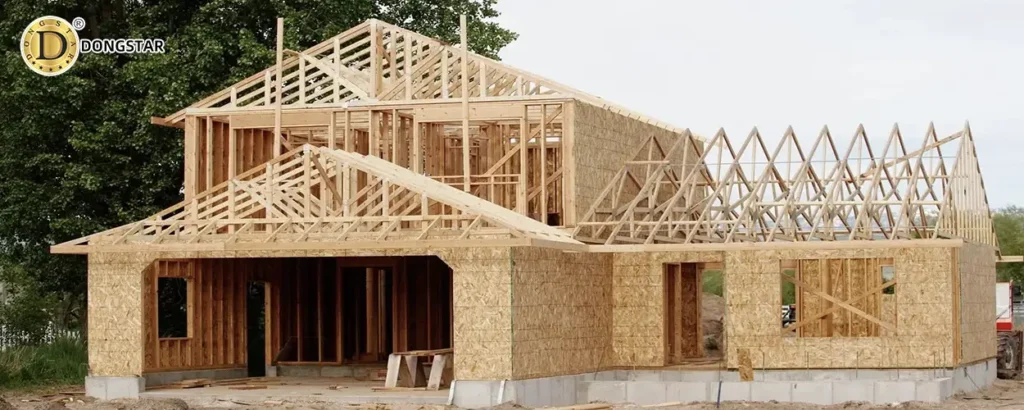
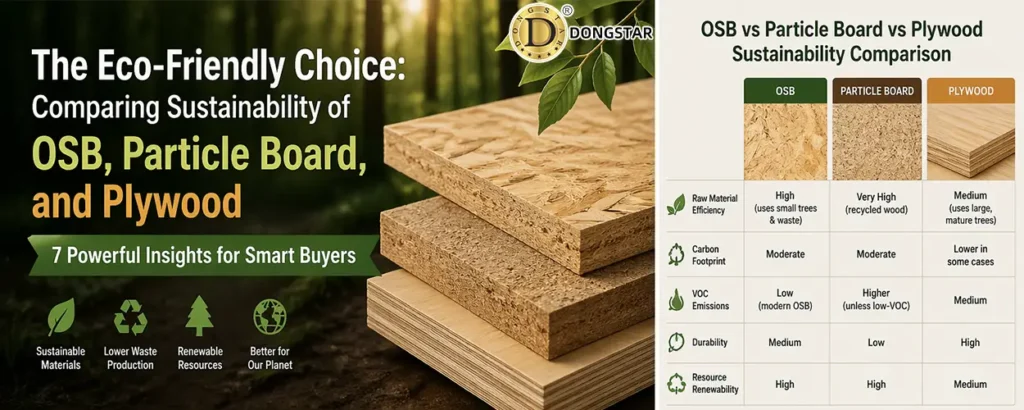
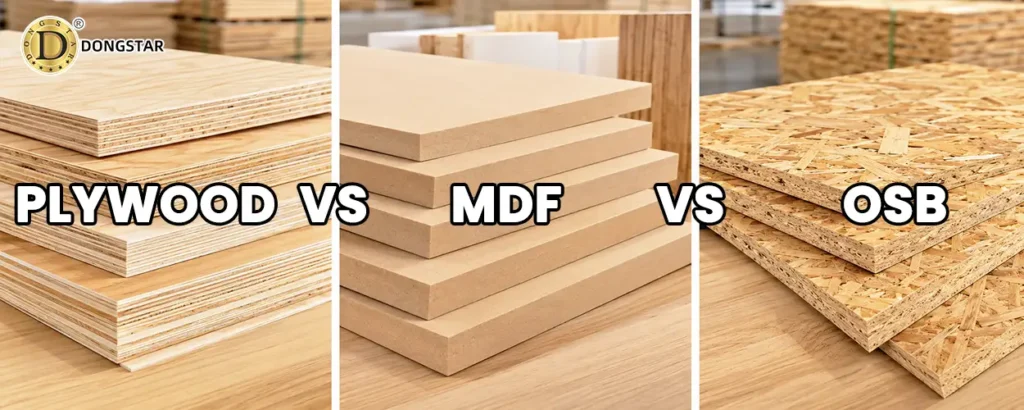
Oriented Strand Board (OSB) has quickly become a go-to material for modern construction. Made from compressed wood strands bonded with resin, OSB offers impressive strength and cost efficiency. It’s widely used in roofing, wall sheathing, and subflooring across residential and commercial projects.
What makes OSB so attractive? Simple — it delivers consistent performance at a lower cost compared to traditional plywood. For project contractors and builders, that’s a big win.
Key Benefits of OSB Board for Projects
- High structural strength
- Cost-effective alternative to plywood
- Uniform density and stability
- Easy to cut and install
But here’s the catch — OSB is not fully waterproof. While it resists short-term moisture, prolonged exposure can lead to swelling and degradation.
Why Sealing OSB is Critical for Outdoor Use
Moisture Risks and Structural Damage
If you’re planning to use OSB outdoors, sealing isn’t optional — it’s essential.
Unprotected OSB can:
- Absorb moisture quickly (especially edges)
- Swell and lose structural integrity
- Develop mold or rot in humid environments
Studies show that untreated OSB exposed outdoors may last only a few months, while sealed boards can last 5–10 years.
OSB vs Plywood in Moisture Resistance
OSB performs well under load, but when it comes to moisture:
- OSB absorbs water more evenly
- Plywood dries faster
That’s why sealing plays a bigger role than material choice itself.
Types of OSB Boards for Exterior Projects
OSB/2 vs OSB/3 vs OSB/4 Explained
Choosing the right OSB grade is your first step toward durability.
| OSB Type | Use Case | Moisture Resistance |
|---|---|---|
| OSB/2 | Dry interior use | Low |
| OSB/3 | Humid environments | Medium |
| OSB/4 | Heavy-duty outdoor use | High |
For outdoor projects, always go with OSB/3 or OSB/4.
Choosing the Right OSB for High-Humidity Areas
Look for:
- Waterproof resin bonding
- Wax-treated strands
- Exterior-grade certification
These features significantly reduce water absorption and improve lifespan.
Step-by-Step Guide: How to Seal OSB
Surface Preparation Techniques
Cleaning and Sanding OSB Board
Start with a clean surface:
- Remove dust and debris
- Lightly sand rough areas
- Ensure the board is completely dry
Proper prep improves adhesion and prevents uneven sealing.
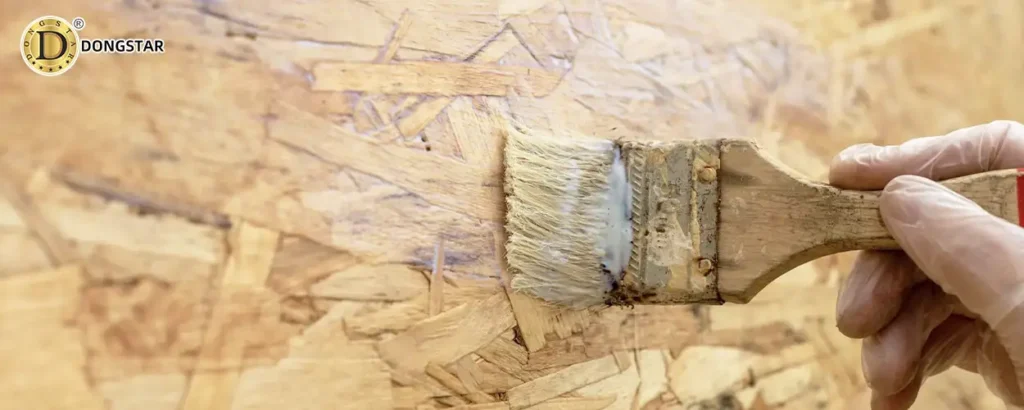
Applying Waterproof Sealers
Penetrating Sealers vs Film Coatings
Two main options:
Penetrating Sealers
- Soak into fibers
- Provide internal protection
- Ideal for long-term durability
Film Coatings (Paint/Polyurethane)
- Create surface barrier
- Add UV resistance
- Best for visible surfaces
For best results? Use both.
Priming and Painting OSB
Exterior-Grade Primer Importance
Primer is the unsung hero.
It:
- Seals pores
- Improves paint adhesion
- Prevents uneven absorption
Follow with 2–3 coats of exterior waterproof paint for maximum protection.
Edge Sealing (Most Overlooked Step)
Here’s where most projects fail.
OSB edges absorb water faster than surfaces. Without sealing:
- Swelling starts from edges
- Structural failure follows
Always apply:
- Thick sealant
- Extra coats on cut edges
Best Waterproofing Methods for OSB
Liquid Sealants and Coatings
- Easy to apply
- Affordable
- Good for general outdoor use
Waterproof Membranes
- Ideal for roofs and walls
- Provide complete moisture barrier
- Long-term solution for heavy exposure
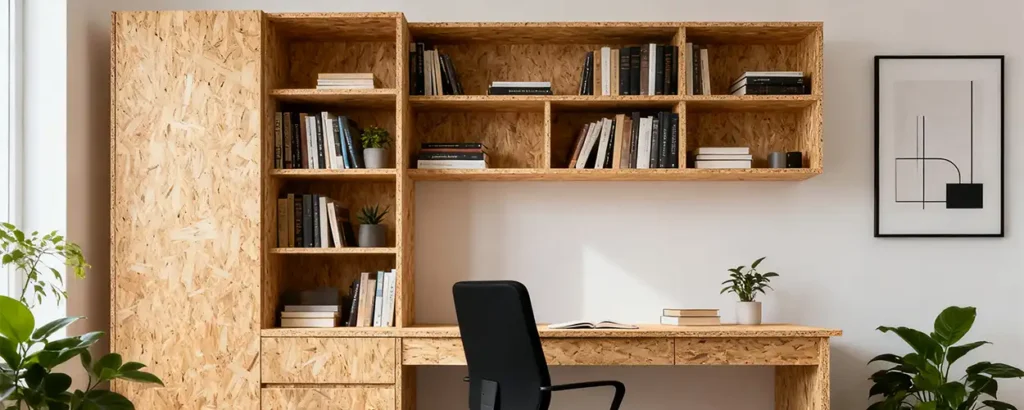
Laminating OSB Surfaces
- Adds decorative finish
- Protects against water and wear
- Great for furniture or interior humid areas
Common Mistakes When Sealing OSB
Skipping Edge Protection
This is the #1 cause of OSB failure.
Using Indoor Paint Outdoors
Indoor paint lacks:
- UV resistance
- Waterproof properties
Result? Rapid deterioration.
Maintenance Tips for Long-Term Protection
Re-Sealing Schedule
- Outdoor OSB: every 2–3 years
- Indoor humid areas: every 5 years
Inspection Checklist
- Check edges for swelling
- Look for cracks in coating
- Reapply sealant when needed
Real Project Applications of Sealed OSB
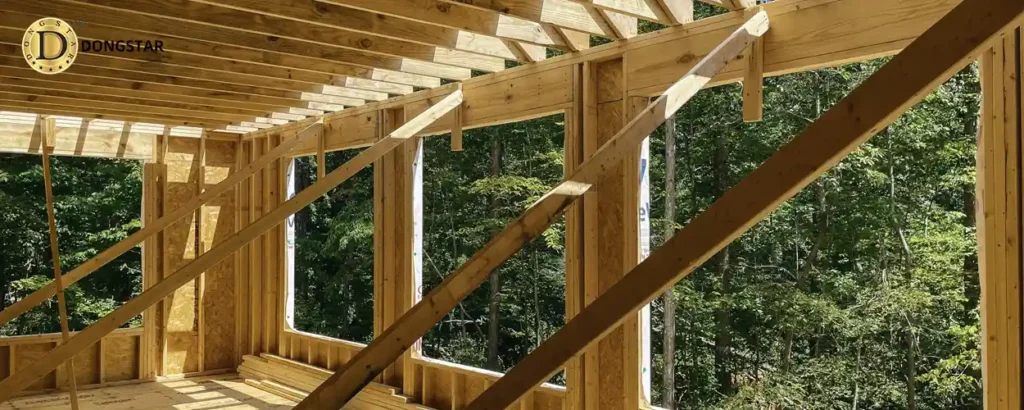
Roofing and Wall Sheathing
OSB is widely used beneath roofing and siding, where it must be protected by membranes or cladding.
Outdoor Sheds and Flooring
With proper sealing:
- Sheds
- Temporary structures
- Subfloors
All benefit from OSB’s cost-performance ratio.
FAQs About OSB and Moisture Protection
1. Can OSB be used outdoors permanently?
Yes, but only with proper sealing and protection layers.
2. Is OSB waterproof?
No. It is water-resistant but requires sealing for long-term exposure.
3. What is the best sealant for OSB?
Penetrating sealers combined with exterior paint work best.
4. Do I need to seal both sides?
Absolutely. Sealing both sides prevents uneven moisture absorption.
5. How long does sealed OSB last outside?
Up to 5–10 years with proper maintenance.
6. Is OSB better than plywood for outdoor use?
It depends — OSB is cheaper, but plywood handles moisture slightly better.
Conclusion: Maximizing OSB Lifespan
Sealing OSB isn’t complicated — but skipping steps can cost you big.
If you want long-term performance:
- Choose the right OSB grade
- Seal every surface (especially edges)
- Maintain regularly
For project buyers and contractors, mastering OSB waterproofing means fewer failures, lower costs, and better results.