Table of Contents
Introduction: Why Sustainability Matters in Modern Construction
If you’re sourcing materials for construction, furniture, or large-scale projects, sustainability isn’t just a buzzword anymore—it’s a buying decision driver. With stricter environmental regulations and rising demand for green building materials, understanding the sustainability of OSB, Particle Board, and Plywood can directly impact your project cost, compliance, and brand value.
Today’s buyers—especially contractors, developers, and procurement teams—are searching for eco-friendly engineered wood, low VOC panels, and sustainable plywood alternatives. This guide breaks down exactly what you need to know.
What Is OSB (Oriented Strand Board)?
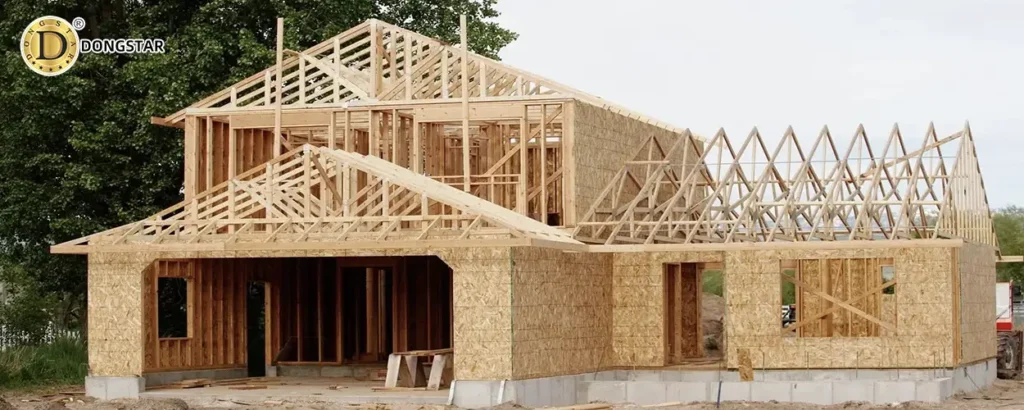
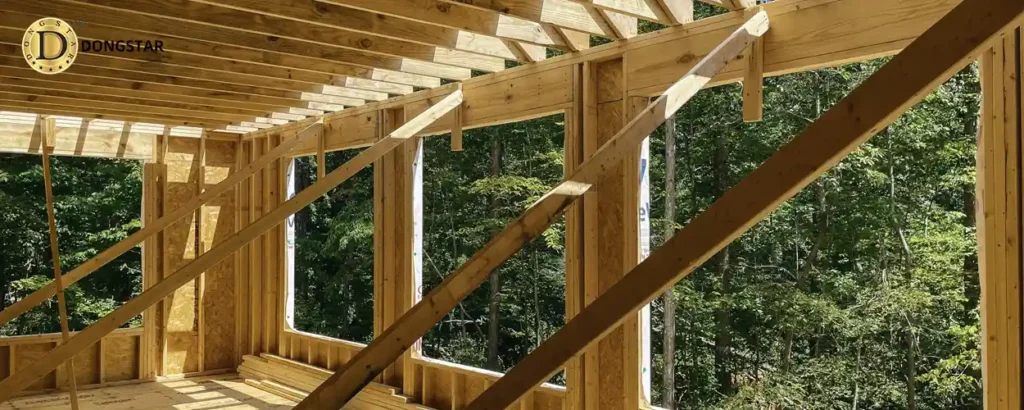
OSB is an engineered wood panel made from compressed wood strands bonded with resin under heat and pressure. It’s widely used in structural applications like roofing, flooring, and wall sheathing.
Key Sustainability Features of OSB
- Uses fast-growing trees like aspen and poplar
- Maximizes wood usage (up to ~95% efficiency)
- Produces less waste compared to traditional wood panels
- Lower formaldehyde emissions in many modern variants
Why OSB Is Trending in Google Searches
Recent search trends show increasing demand for:
- “OSB board eco friendly”
- “OSB vs plywood sustainability”
- “best sustainable construction materials”
The reason is simple: OSB aligns with green building certifications and cost efficiency.

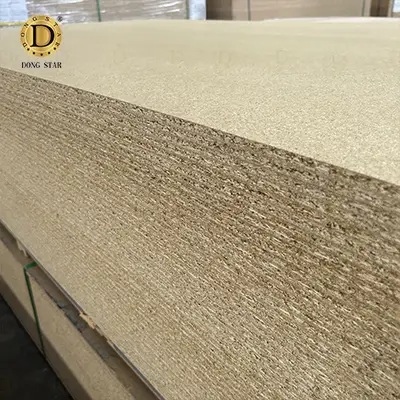
What Is Particle Board?
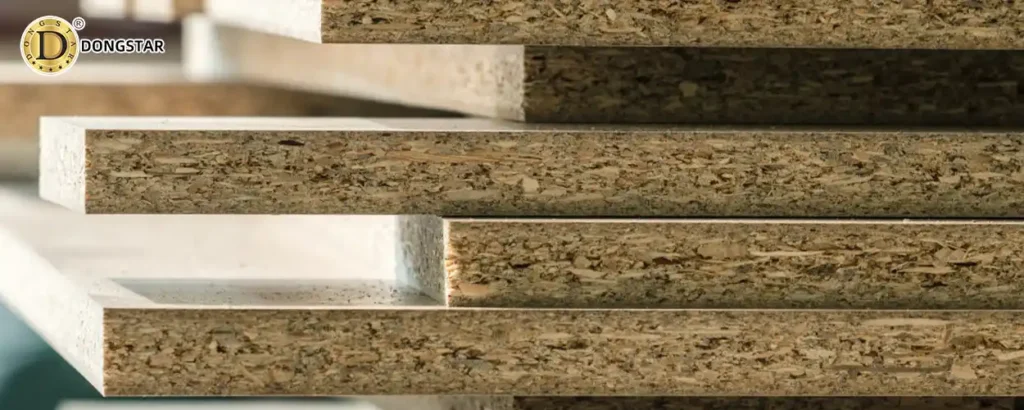
Particle board is made from wood chips, sawdust, and resin, pressed into flat panels. It’s commonly used in furniture and cabinetry.
Sustainability Overview
- Recycles wood waste and by-products
- Reduces demand for fresh timber
- However, often contains higher VOC adhesives
Limitations
- Lower durability and lifespan
- Not suitable for structural applications
- Environmental concerns due to chemical emissions
What Is Plywood?
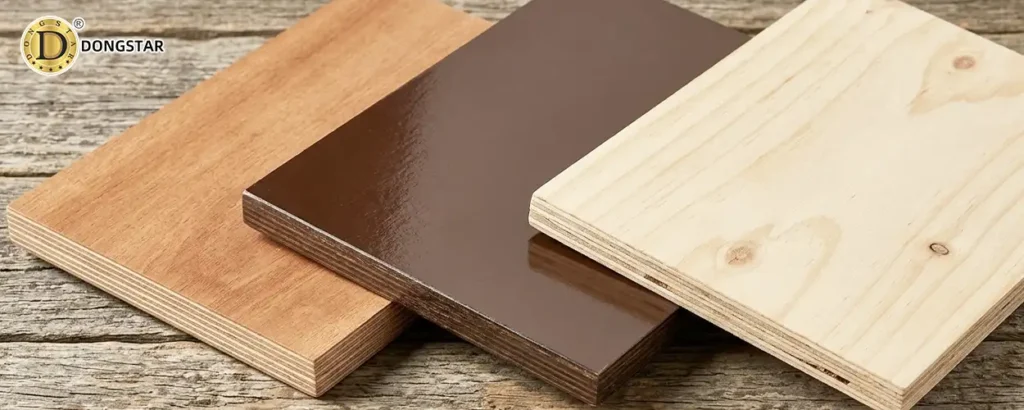
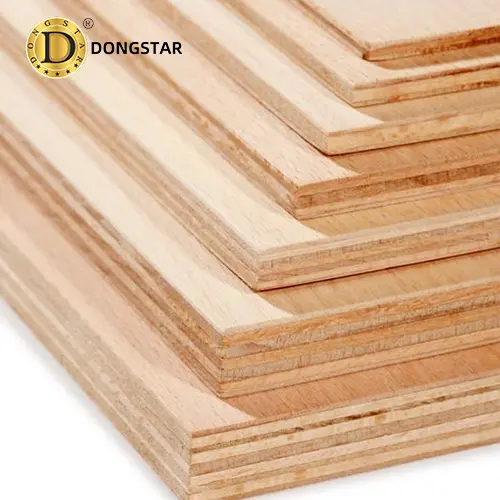
Plywood consists of thin layers (veneers) of wood glued together with alternating grain directions.
Sustainability Highlights
- Can be sourced from FSC-certified forests
- Strong, durable, and long-lasting
- Lower emissions in some manufacturing processes
Environmental Drawbacks
- Requires large, mature trees
- Higher raw material consumption
- Potential deforestation risk without certification
OSB vs Particle Board vs Plywood: Sustainability Comparison
Here’s what project buyers really care about:
| Factor | OSB | Particle Board | Plywood |
|---|---|---|---|
| Raw Material Efficiency | High (uses small trees & waste) | Very High (recycled wood) | Medium |
| Carbon Footprint | Moderate | Moderate | Lower in some cases |
| VOC Emissions | Low (modern OSB) | Higher (unless low-VOC) | Medium |
| Durability | Medium | Low | High |
| Resource Renewability | High | High | Medium |
Key Insight
- Best for sustainability + cost: OSB
- Best for recycling waste: Particle board
- Best for longevity: Plywood
Why OSB Is the Top Choice for Eco-Conscious Projects
For large-scale construction buyers, OSB often wins due to:
1. Renewable Resource Advantage
OSB uses fast-growing trees, reducing pressure on old-growth forests
2. Lower Waste Production
Nearly all parts of the tree are utilized, making it highly resource-efficient
3. Cost + Sustainability Balance
OSB delivers a rare combination of:
- Lower cost
- Good structural strength
- Eco-friendly profile
4. Growing Industry Adoption
OSB is now widely used in:
- Residential construction
- Commercial buildings
- Modular and prefabricated projects
When Should You Choose Each Material?
Choose OSB If:
- You need structural panels
- Budget and sustainability are priorities
- Large-scale construction is involved
Choose Particle Board If:
- You’re producing low-cost furniture
- Structural strength is not critical
Choose Plywood If:
- You need high durability
- Moisture resistance is important
- Long lifespan outweighs cost
FAQs
1. Is OSB more environmentally friendly than plywood?
Yes, OSB is often considered more eco-friendly because it uses fast-growing trees and produces less waste
2. Does particle board have environmental risks?
Yes, especially due to formaldehyde emissions unless low-VOC versions are used
3. Which material has the lowest carbon footprint?
It depends, but plywood can have lower emissions in production, while OSB uses resources more efficiently
4. Is OSB suitable for green building certifications?
Yes, especially when certified and manufactured with low-emission adhesives
5. What is the most sustainable engineered wood overall?
OSB is often the best balance of sustainability, cost, and performance
6. Can plywood be eco-friendly?
Yes, if sourced from FSC-certified forests and produced with low VOC adhesives
Conclusion: Which One Should You Choose?
If your goal is to balance cost, sustainability, and performance, OSB stands out as the most practical choice for modern construction projects. While particle board helps reduce waste and plywood offers durability, OSB delivers the best overall value for eco-conscious buyers.
For project-based users, the real question isn’t just “which is strongest?”—it’s which delivers long-term sustainability without sacrificing budget or scalability. And in most cases, OSB is leading that shift.