Home » Blog » Page 5

Blog

How to Building a Plywood Shed Step-by-Step Guide

How to Building a Plywood Shed?Step-by-Step Guide

Table of Contents Constructing a shed with plywood wall panels is a cost-effective and durable solution for extra storage or workspace. Plywood offers excellent structural stability, weather resistance (when properly sealed), and ease of installation. This step-by-step guide will walk you through the entire process—from planning to finishing touches—ensuring a sturdy and long-lasting shed. 1. Planning & Materials Needed A. Design Considerations Size: Standard sheds range from 8’x10′ to 12’x16′ (check local permit requirements).Foundation: Choose between:Concrete slab (most durable)Gravel base (budget-friendly)Wooden skids (portable option) B. Essential Materials Plywood wall panels (1/2″ or 5/8″ thick for walls, 3/4″ for flooring)Pressure-treated lumber (2x4s for framing)Roofing materials (asphalt shingles or metal roofing)Exterior-grade screws & nailsWaterproof membrane (for moisture protection)Paint or sealant (for weatherproofing)Opt for marine-grade plywood if building in high-humidity areas. 2. Step-by-Step Construction Process A. Building the Foundation Level the ground and lay gravel or concrete footings.Construct the floor frame with pressure-treated 2x4s (16″ on center).Install plywood flooring (3/4″ thickness recommended). B. Framing the Walls Assemble wall frames (2×4 studs, 16″ apart).Attach plywood wall panels using exterior screws (ensure panels are flush with the frame).Cut openings for doors and windows. C. Roof Installation Build roof trusses (or use pre-made ones).Sheath the roof with plywood (1/2″ minimum).Install roofing material (shingles, metal, or corrugated panels). D. Finishing Touches Seal all plywood edges with waterproof sealant.Paint or stain for added protection.Install doors, windows, and ventilation as needed. 3. Why Plywood Wall Panels Are Ideal for Sheds A. Strength & Durability Plywood’s cross-layered construction resists warping and sagging.Holds screws better than OSB or particle board. B. Weather Resistance When sealed properly, exterior-grade plywood withstands rain and humidity.Less prone to swelling compared to MDF or fiberboard. C. Easy Installation Lightweight compared to solid wood.Can be pre-cut for faster assembly. D. Cost-Effective More affordable than solid wood but just as sturdy.Minimal waste due to standard sheet sizes. Building a shed with plywood wall panels is a beginner-friendly project that delivers professional results. By following this guide, you’ll create a durable, weather-resistant structure perfect for storage, workshops, or garden sheds.

How to Building a Plywood Shed?Step-by-Step Guide Read More »

co-Friendly Plywood Sustainable Options for Green Building

Eco-Friendly Plywood: Sustainable Options for Green Building

Table of Contents As sustainable construction becomes more than just a trend, eco-friendly plywood has emerged as a go-to material for builders and designers committed to green building practices. With growing environmental awareness, there’s increasing demand for plywood that combines durability, aesthetics, and responsibility.In this article, we’ll explore the best sustainable options for green building, the benefits of using premium plywood, and what to look for when making an eco-conscious plywood purchase. What Makes Plywood Eco-Friendly? Not all plywood is created equal—especially when it comes to environmental impact. Key Features of Eco-Friendly Plywood: Sustainably Harvested Wood: Look for FSC (Forest Stewardship Council) certification.Low-VOC Adhesives: Formaldehyde-free glues reduce harmful off-gassing.Recycled or Reclaimed Wood: Adds character while reducing deforestation.Efficient Manufacturing: Minimizes waste, water, and energy consumption.Biodegradability: Naturally breaks down at the end of its lifecycle. How Premium Plywood Plays a Role Premium plywood often comes with added environmental certifications and tighter quality control. These materials are not only longer-lasting but also easier to reuse, reducing the need for frequent replacement. Top 5 Eco-Friendly Plywood Options for Builders Here are five types of sustainable plywood that support both performance and planet:1. FSC-Certified PlywoodEnsures wood is harvested from responsibly managed forests.Available in a variety of thicknesses and finishes.2. Formaldehyde-Free PlywoodUses soy-based or MDI adhesives.Healthier indoor air quality, perfect for green homes and schools.3. Bamboo PlywoodRapidly renewable (harvestable in 3–5 years).Ultra-strong and visually attractive.4. Recycled Wood PlywoodMade from wood waste or reclaimed lumber.Reduces landfill burden and logging needs.5. CARB Phase 2 Compliant PlywoodMeets California’s strict air quality standards.Low emissions and better for occupants’ health. Why Eco-Friendly Premium Plywood Matters Switching to eco-friendly premium plywood isn’t just about going green—it’s about long-term value.Benefits Include:Lower Environmental FootprintReduces carbon emissions and resource depletion.Healthier Indoor EnvironmentCuts down on toxic air pollutants from VOCs.Enhanced DurabilityLasts longer, reducing the need for replacements and waste.Supports Green Building CertificationsContributes points to LEED, WELL, and other eco-certifications.

Eco-Friendly Plywood: Sustainable Options for Green Building Read More »

Best Plywood for Furniture Making

Best Plywood for Furniture Making: A Buyer’s Guide

Table of Contents When building furniture, choosing the right furniture plywood is crucial for durability, aesthetics, and stability. Not all plywood is created equal—some types warp easily, while others offer a flawless finish perfect for visible surfaces. In this guide, we’ll break down the best plywood for furniture, key features to look for, and expert tips to help you select the perfect material for your next project. 1. Top Plywood Grades for Furniture Making A. Baltic Birch Plywood Why It’s Great:Made from high-quality birch veneers with minimal voidsExtremely stable and resistant to warpingSmooth surface, ideal for staining or paintingBest For: High-end furniture, cabinets, and tabletops B. Hardwood Plywood (Oak, Maple, Cherry) Why It’s Great:Attractive natural grain for a premium lookStronger than softwood plywoodTakes stains and finishes beautifullyBest For: Visible furniture parts (table tops, doors, and drawers) C. Marine Plywood Why It’s Great:Waterproof adhesive prevents delaminationHigh-grade veneers with no defectsExcellent for humid environmentsBest For: Outdoor furniture, bathroom vanities, and kitchen cabinets D. Cabinet-Grade Plywood (A-A or A-B) Why It’s Great:Smooth, sanded surfaces on one or both sidesFewer imperfections than construction-grade plywoodConsistent thickness for precise joineryBest For: Built-in cabinets, bookshelves, and dressers 2. Key Factors to Consider When Choosing Furniture Plywood A. Thickness Matters 1/4″ (6mm): Best for drawer bottoms and cabinet backs1/2″ (12mm): Ideal for shelves and lightweight furniture3/4″ (18mm): The standard for tables, bed frames, and heavy-duty pieces B. Core Quality (Avoid Voids!) Look for void-free cores (Baltic birch is the gold standard)Cheaper plywood often has gaps inside, weakening the structure C. Finish & Appearance Sanded plywood (A-grade): Ready for staining or paintingPre-finished plywood: Saves time with a factory-applied finish D. Moisture Resistance For kitchens or bathrooms, choose exterior-grade or marine plywoodStandard plywood should be sealed with polyurethane if used in damp areas 3. Plywood vs. Solid Wood vs. MDF for Furniture Plywood Strong, stable, resists warping, Edges need finishing, Most furniture types.Solid Wood, Beautiful natural grain, Expensive, can warp over time High-end visible piecesMDF,Smooth for painting, cheap, Weak, swells if wet, Painted cabinets, decorFor the best balance of cost and quality, use plywood for structural parts and solid wood for visible surfaces (like table tops). Final Recommendations For heirloom-quality furniture → Baltic Birch or Hardwood PlywoodFor painted pieces → Cabinet-Grade A-B PlywoodFor outdoor/moisture-prone areas → Marine Plywood

Best Plywood for Furniture Making: A Buyer’s Guide Read More »

The Ultimate Guide to Plywood Thickness and Sizes

The Ultimate Guide to Plywood Thickness and Sizes

Table of Contents Plywood is a fundamental building material used in everything from furniture to flooring, but choosing the right thickness and size can make or break your project. Whether you’re a DIY enthusiast or a professional contractor, this guide will help you understand standard plywood dimensions, their best uses, and how to select the perfect sheet for your needs. 1. Standard Plywood Thicknesses and Their Uses Plywood comes in various thicknesses, each suited for different applications: Common Plywood Thicknesses 1/4″ (6mm) – Best for crafts, cabinet backs, and paneling.3/8″ (9.5mm) – Used for drawer bottoms, lightweight furniture, and decorative projects.1/2″ (12mm) – Ideal for shelving, cabinet boxes, and wall sheathing.5/8″ (15mm) – Common for subfloors, roofing, and structural work.3/4″ (18mm) – The go-to for heavy-duty furniture, workbenches, and flooring.Pro Tip: Thicker plywood (3/4″+) provides better stability and load-bearing capacity, while thinner sheets (1/4″) are great for lightweight applications. 2. Standard Plywood Sheet Sizes (US & Metric) Plywood is typically sold in 4′ x 8′ sheets (1220mm x 2440mm), but other sizes are available: Common Sheet Sizes 4′ x 8′ (1220mm x 2440mm) – Most widely available, used in construction and furniture.4′ x 4′ (1220mm x 1220mm) – Smaller panels for DIY projects and easy transport.5′ x 5′ (1500mm x 1500mm) – Often used in European cabinetry.Custom Sizes – Some suppliers offer cut-to-order sheets for unique projects.Note: Always check local availability, as sizes may vary by region. 3. How to Choose the Right Plywood Size & Thickness Selecting the best plywood depends on three key factors: A. Project Requirements Furniture & Cabinets: 1/2″ to 3/4″ for durability.Flooring & Roofing: 5/8″ or 3/4″ for strength.Decorative Panels: 1/4″ or 3/8″ for lightweight use. B. Load-Bearing Needs Heavy Loads (Shelving, Tables): 3/4″ plywood.Lightweight (Backing, Crafts): 1/4″ or 3/8″. C. Cutting & Handling Considerations Thinner plywood (1/4″) is easier to cut but less sturdy.Thicker plywood (3/4″) requires stronger tools but offers better upport.Pro Tip: If unsure, go slightly thicker—it’s easier to sand down excess than reinforce weak plywood. Choosing the right plywood thickness and size ensures your project is strong, durable, and cost-effective. Remember:Thinner sheets (1/4″-3/8″) = lightweight projects.Medium thickness (1/2″-5/8″) = cabinets, shelving.Thick plywood (3/4″) = heavy-duty construction. Need help sourcing plywood? Check our supplier recommendations or ask questions below!

The Ultimate Guide to Plywood Thickness and Sizes Read More »

How to Waterproof Plywood for Outdoor Projects

How to Waterproof Plywood for Outdoor Projects: A Complete Guide

Table of Contents Plywood is a versatile and cost-effective material, but when used outdoors, it needs proper waterproofing to prevent warping, rotting, and delamination. Whether you’re building outdoor furniture, a shed, or decorative panels, this guide will walk you through the best methods to waterproof plywood for long-lasting durability. 1. Why Waterproof Plywood for Outdoor Use? Regular plywood isn’t naturally waterproof, and exposure to rain, humidity, and temperature changes can cause:Warping & Swelling – Moisture absorption leads to bending and distortion.Rot & Mold Growth – Untreated plywood can develop fungal decay.Delamination – The layers can separate over time when exposed to water.Key Takeaway: Waterproofing extends the lifespan of plywood in outdoor settings, saving you money on replacements. 2. Best Methods to Waterproof Plywood A. Using Waterproof Sealants & PaintsPolyurethane Varnish – Provides a clear, durable waterproof coating (ideal for visible surfaces).Epoxy Resin – Creates a thick, waterproof barrier (great for tabletops and boat decks).Exterior-Grade Paint – Oil-based or acrylic latex paint with a waterproof primer.Application Tips:1. Sand the plywood first (120-grit sandpaper).2. Apply 2-3 coats, allowing each layer to dry fully.B. Waterproofing with Linseed Oil or Tung OilNatural oils penetrate the wood, offering moderate water resistance.Best for low-moisture exposure (e.g., garden furniture).C. Liquid Rubber or Waterproof MembranesUsed for roofing, sheds, and planters where heavy rain is expected.Self-adhesive membranes (like Peel & Stick) provide extra protection.D. Edge Sealing for Maximum ProtectionPlywood edges absorb the most moisture—seal them with wood glue or epoxy. 3. How Long Will Waterproofed Plywood Last Outside? The lifespan depends on:Type of Sealant Used (epoxy lasts longer than paint).Climate Conditions (humid or rainy areas need more frequent maintenance).Maintenance (reapply sealant every 1-3 years). Polyurethane:Estimated Lifespan: 2-5 years,Best For: Furniture, DecksEpoxy Resin:Estimated Lifespan: 5+ years,Best For: Boat Building, TabletopsExterior Paint:Estimated Lifespan: 3-4 years,Best For: Sheds, FencesPro Tip: For extreme weather, consider marine-grade plywood (already waterproof) instead of sealing regular plywood. Waterproofing plywood is essential for outdoor projects to prevent damage. The best method depends on your budget, project type, and climate. For best results:Seal all sides (including edges).Reapply protective coatings as needed.Consider marine plywood for high-moisture areas. Need help choosing the right sealant? Check out our recommended products or ask in the comments!

How to Waterproof Plywood for Outdoor Projects: A Complete Guide Read More »

Marine Plywood vs. Regular Plywood-Which One Should You Choose

Marine Plywood vs. Regular Plywood: Which One Should You Choose?

Table of Contents When working on woodworking or construction projects, choosing the right type of plywood is crucial for durability and performance. Two common options are marine plywood and regular plywood, but they serve very different purposes. In this guide, we’ll compare their strengths, weaknesses, and best applications to help you decide which one suits your needs. 1. What’s the Difference Between Marine and Regular Plywood? Marine Plywood Construction: Made with waterproof glue and high-quality hardwood veneers (often birch or mahogany).Moisture Resistance: Designed to withstand prolonged exposure to water and humidity.Grading: Typically A-A or A-B grade, meaning fewer voids and defects.Common Uses: Boat building, docks, bathrooms, and outdoor furniture Regular Plywood (Interior/Exterior Grades) Construction: Uses standard adhesives (urea-formaldehyde for interior, phenol-formaldehyde for exterior).Moisture Resistance: Exterior-grade resists moisture but not constant water exposure.Grading: Ranges from A-D, with C-D being common for structural use.Common Uses: Furniture, subfloors, roofing, and wall sheathing.Key Takeaway: Marine plywood is waterproof, while regular plywood is water-resistant (depending on grade). 2. When Should You Use Marine Plywood? Marine plywood is more expensive, but it’s worth the investment in these cases:A. High-Moisture EnvironmentsBoat hulls, docks, and poolside furnitureBathroom vanities and kitchen cabinets (if exposed to humidity)B. Projects Requiring LongevityOutdoor structures (gazebos, pergolas)High-end furniture that needs to last decadesC. When Building Codes Require ItSome coastal areas mandate marine-grade materials for durability.Warning: Not all “marine plywood” is equal—look for BS 1088 or APA certification for true marine-grade quality. 2. When Should You Use Marine Plywood? Regular plywood is more cost-effective and suitable for:A. Indoor ProjectsBookshelves, wardrobes, and decorative panelingSubflooring and wall framing (where moisture isn’t an issue)B. Temporary or Budget-Friendly BuildsSheds, workbenches, and DIY projectsConcrete formwork (exterior-grade is sufficient)C. Structural ApplicationsRoof sheathing (CDX plywood is standard)Non-visible supports where aesthetics don’t matterPro Tip: If using regular plywood in damp areas, seal it with epoxy or polyurethane for extra protection. Final Verdict: Which One Should You Choose? Choose Marine Plywood If:Your project will face constant moisture.Long-term durability is a priority.You’re willing to invest in premium materials.Choose Regular Plywood If:You’re working on a budget.The project is indoors or short-term.You can add sealants for minor moisture protection.

Marine Plywood vs. Regular Plywood: Which One Should You Choose? Read More »

Top 10 Plywood Grades and Their Best Uses in 2025

Top 10 Plywood Grades and Their Best Uses in 2025

Table of Contents Plywood is one of the most versatile building materials, used in everything from furniture to construction. However, not all plywood is the same—different grades are designed for specific purposes. In this guide, we’ll explore the top 10 plywood grades in 2025 and their best applications to help you choose the right type for your project. 1. Understanding Plywood Grades: What Do They Mean? Plywood is classified based on quality, durability, and intended use. The grading system typically considers factors like:Face Veneer Quality (A, B, C, D)Core Material (Solid, Laminated, Composite)Moisture Resistance (Interior, Exterior, Marine)The most common grading standards include:A-A: Premium quality, smooth finish (best for furniture and cabinetry)A-B: One high-quality side, one slightly imperfect side (good for visible surfaces)B-B: Moderate quality, minor defects (suitable for structural uses)C-D: Rough surface, used for sheathing and subfloorsUnderstanding these grades ensures you avoid overpaying for unnecessary quality while still getting the right strength and finish. 2. The Top 10 Plywood Grades and Their Best Uses 1. A-A Grade PlywoodBest for: High-end furniture, cabinets, and decorative surfacesWhy? Smooth, knot-free finish on both sides2. A-B Grade PlywoodBest for: Shelving, tabletops, and interior panelingWhy? One premium side for aesthetics, one functional side3. B-B Grade PlywoodBest for: Structural framing and hidden supportsWhy? Cost-effective with moderate strength4. C-D Grade PlywoodBest for: Subfloors, roofing, and temporary structuresWhy? Economical but not visually appealing5. Marine Grade PlywoodBest for: Boats, docks, and high-moisture areasWhy? Waterproof glue and high-quality veneers6. Structural Plywood (CDX)Best for: Roofing, walls, and exterior sheathingWhy? Strong, durable, and moisture-resistant7. Sanded Plywood (ACX)Best for: Cabinets, doors, and painted finishesWhy? Smooth surface, ideal for finishing8. Hardwood Plywood (Birch, Oak, Maple)Best for: Fine woodworking and luxury furnitureWhy? Dense, attractive grain patterns9. Flexible Plywood (Bending Plywood)Best for: Curved furniture and architectural designsWhy? Can bend without breaking10. Fire-Retardant Plywood (FR Grade)Best for: Commercial buildings and safety-critical areasWhy? Treated to resist flames and slow fire spread 3. How to Choose the Right Plywood Grade for Your Project Selecting the best plywood depends on three key factors:A. Project RequirementsFurniture & Cabinets: A-A or A-B for a smooth finishOutdoor Use: Marine or CDX for weather resistanceStructural Work: B-B or C-D for cost efficiencyB. Budget ConsiderationsHigh-grade plywood (A-A, Marine) is expensive but long-lasting.Lower grades (C-D) are affordable but may need additional sealing.C. Environmental ConditionsHumid/Wet Areas: Marine or treated plywoodHigh-Traffic Zones: Hardwood or sanded plywood for durability Choosing the right plywood grade can save you money, time, and effort while ensuring a professional finish. Whether you’re building furniture, renovating a home, or working on a large construction project, matching the plywood grade to its best use is essential. Need help sourcing high-quality plywood? Check out our recommended suppliers or contact our experts for personalized advice!

Top 10 Plywood Grades and Their Best Uses in 2025 Read More »

What are the application scenarios of birch plywood

What are the application scenarios of Birch Plywood?

Table of Contents Birch plywood is a high-quality engineered wood product made from multiple layers of thin birch veneer glued together. Known for its strength, durability, and beautiful grain, birch plywood has become a go-to material for all types of projects, from construction to interior design and crafts.Thanks to its fine texture and resistance to warping, it’s a top choice where precision and aesthetics meet functionality. Whether you’re a furniture manufacturer, interior designer, or weekend woodworker, birch plywood likely has a role in your work. Birch Plywood in Furniture Manufacturing Cabinets and Shelving Birch plywood is prized for building cabinetry due to its consistent surface, which takes stains and paints exceptionally well. Its stability ensures cabinet doors remain square and shelves don’t sag.Thanks to its fine texture and resistance to warping, it’s a top choice where precision and aesthetics meet functionality. Whether you’re a furniture manufacturer, interior designer, or weekend woodworker, birch plywood likely has a role in your work. Chairs, Tables, and Bed Frames Its high strength-to-weight ratio makes it ideal for chairs and beds that require durability without excessive bulk.Thanks to its fine texture and resistance to warping, it’s a top choice where precision and aesthetics meet functionality. Whether you’re a furniture manufacturer, interior designer, or weekend woodworker, birch plywood likely has a role in your work. Use in Interior Construction Wall Paneling With a smooth surface and attractive wood grain, birch plywood is frequently used in architectural wall paneling for both residential and commercial spaces. Ceilings and Partitions Lightweight yet strong, it’s perfect for overhead installations and internal dividing walls that need to remain structurally sound while enhancing the space’s aesthetics. Applications in Doors and Windows Door Panels Solid-core interior doors benefit from the warp-resistant nature of birch plywood, ensuring long-term reliability. Window Sashes and Frames Its dimensional stability makes it suitable for window frames, maintaining tight seals even in changing climates. Decorative and Architectural Finishes Veneers and Laminates Birch plywood serves as an excellent base for high-end veneer or laminate finishes due to its smooth surface and uniform core. Premium Custom Interiors Used in everything from hotel lobbies to luxury home installations, birch plywood enhances visual appeal while offering robust support. Upholstered Furniture Frames The inner structure of sofas and upholstered chairs often relies on birch plywood for its strength and workability. Its screw-holding capacity is superior, making it ideal for fasteners that must remain tight over time. DIY and Craft Projects Birch plywood is beloved by hobbyists for its ease of cutting, sanding, and finishing. It’s used for toolboxes, shelving, toy chests, and home decor items like picture frames and wall art. Usage in Educational and Commercial Spaces In schools and universities, birch plywood is the go-to material for desks, benches, and cabinetry. Its resilience to wear-and-tear ensures it withstands heavy daily use. Vehicle and Marine Interior Design Lightweight and moisture-resistant birch plywood is a mainstay in RVs, caravans, and boats. It’s commonly used in furniture, walls, and flooring to optimize space without compromising structural integrity. Musical Instruments and Acoustics Used in drums, speaker boxes, and sound diffusers, birch plywood offers excellent resonance properties and sound clarity, making it a choice material in music production and performance. Trade Shows and Retail Displays From booth walls to branded displays, birch plywood’s balance of aesthetics and durability makes it a reliable and reusable option for event setups and commercial merchandising. From elegant interiors and sturdy furniture to musical equipment and mobile homes, birch plywood proves itself a powerhouse in versatility. Its combination of strength, finish quality, and eco-friendliness makes it an essential material for professionals and hobbyists alike.

What are the application scenarios of Birch Plywood? Read More »

What are the usage scenarios of Black Film Faced Plywood in the UK?

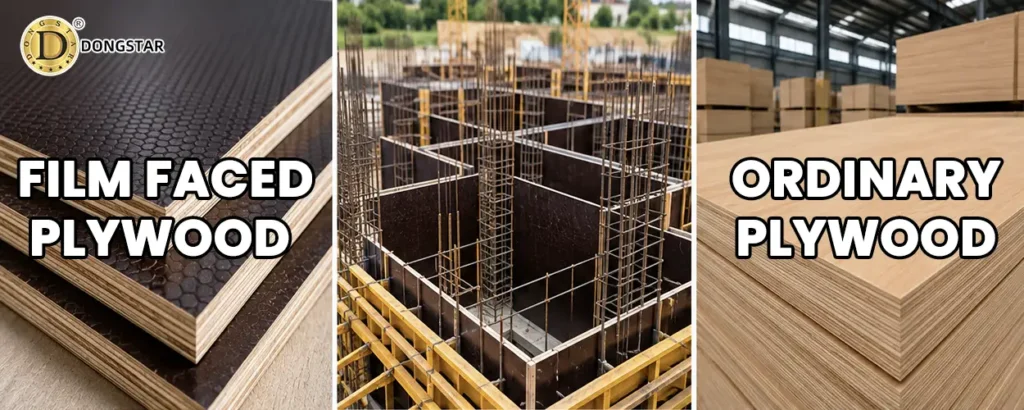
Table of Contents Black Film Faced Plywood is a durable, waterproof and strong material commonly used in construction, transport and industry across the UK. Its black phenolic film surface provides additional protection against moisture, abrasion and chemicals, making it ideal for demanding environments. 1. Construction Industry Concrete Formwork (Shuttering Plywood) Used extensively for casting concrete slabs, walls, beams, and columns.The smooth black film ensures a high-quality finish on concrete.High reuse value, reducing overall construction costs. Scaffolding & Walkways Provides a non-slip and durable surface for workers.Commonly used on temporary platforms, bridges, and workstations. Roofing & Flooring Ideal for permanent and temporary floors in commercial and industrial buildings.Resistant to moisture and wear, making it suitable for wet environments. 2. Transport & Vehicle Industry Truck & Trailer Flooring Used in HGVs, lorries, and trailers due to its high load-bearing strength.Withstands heavy cargo and frequent loading/unloading. Van & Bus Interiors Provides strong, easy-to-clean flooring for public and private transport. Shipping Containers & Cargo Boxes Protects stored goods from moisture, impact, and extreme weather conditions. 3. Industrial & Commercial Applications Warehouse Shelving & Racking Used for sturdy, durable surfaces in storage and logistics centers. Cold Storage Facilities Suitable for freezers, refrigeration units, and food storage areas. Event & Stage Flooring Used in concerts, exhibitions, and outdoor events for stable and durable flooring. 4. Furniture & Interior Design Kitchen & Bathroom Cabinets The moisture-resistant black film makes it ideal for damp areas. Partition Walls & Decorative Panels Used in offices, retail spaces, and commercial interiors. Worktops & Table Surfaces Provides a scratch-resistant and sleek look. 5. Agricultural & Farming Applications Animal Housing & Barn Walls Commonly used in stables, poultry houses, and kennels due to its easy-to-clean and hygienic surface. Feed & Grain Storage Bins Helps protect stored produce from moisture damage. Would you like recommendations on where to buy high-quality Black Film Faced Plywood in the UK?

What are the usage scenarios of Black Film Faced Plywood in the UK? Read More »

Dongstar: Your Trusted Partner in Film Faced Plywood Manufacturing

Table of Contents Dongstar Group Dongstar is a leading professional manufacturer of film faced plywood with more than 30 years of experience. With a strong commitment to quality, innovation,competitive price and customer satisfaction, Dongstar has established itself as a trusted name in the global market for construction and industrial materials. Our expertise lies in producing high-quality film faced plywood, which is widely used in concrete formwork, construction projects, and various industrial applications. Dongstar Advantages One of the key strengths of Dongstar is our ability to provide standardized products while also offering customized solutions to meet the unique needs of our clients. Our standard sizes: 1220x2440mm and 1250x2500mm, are widely recognized for their durability, strength, and consistent performance. These dimensions are ideal for a wide range of applications, ensuring ease of use and efficiency on construction sites. However, we understand that every project is different, which is why we support customization based on your specific requirements, and we also can customize you logo you want. Dongstar is equipped to deliver tailored solutions that align with your project goals. One of the key strengths of Dongstar is our ability to provide standardized products while also offering customized solutions to meet the unique needs of our clients. Our standard sizes: 1220x2440mm and 1250x2500mm, are widely recognized for their durability, strength, and consistent performance. These dimensions are ideal for a wide range of applications, ensuring ease of use and efficiency on construction sites. However, we understand that every project is different, which is why we support customization based on your specific requirements, and we also can customize you logo you want. Dongstar is equipped to deliver tailored solutions that align with your project goals. Quality is at the heart of everything we do. Our film faced plywood is manufactured using advanced technology and premium materials, ensuring superior resistance to water, abrasion, and chemicals. The smooth film surface provides an excellent finish to concrete structures, making it a preferred choice for architects, contractors, and builders worldwide. Additionally, our products are designed to withstand repeated use, offering exceptional value for money and reducing overall project costs. At Dongstar, we believe in building long-term relationships with our clients. To support this, we offer samples to help you evaluate the quality and suitability of our products for your projects. We welcome inquiries and are always ready to provide detailed information, technical support, and competitive pricing. Our dedicated team is committed to delivering timely responses and ensuring a seamless experience from inquiry to delivery. In conclusion, Dongstar is more than just a manufacturer, we are your reliable partner in the film faced plywood industry. With over three decades of experience, a focus on quality, and a customer-centric approach, we are well-positioned to meet your needs and exceed your expectations. Contact us now to learn more about our products and services, and let us help you achieve success in your next project.

Dongstar: Your Trusted Partner in Film Faced Plywood Manufacturing Read More »

Scroll to Top

Submit Now, Get Best Quote Today.​

Get in Touch

Please feel free to leave your information.

Dongstar- Plywood