Plywood vs MDF vs OSB: Which Board Saves More Cost and Wins More Projects in 2026?
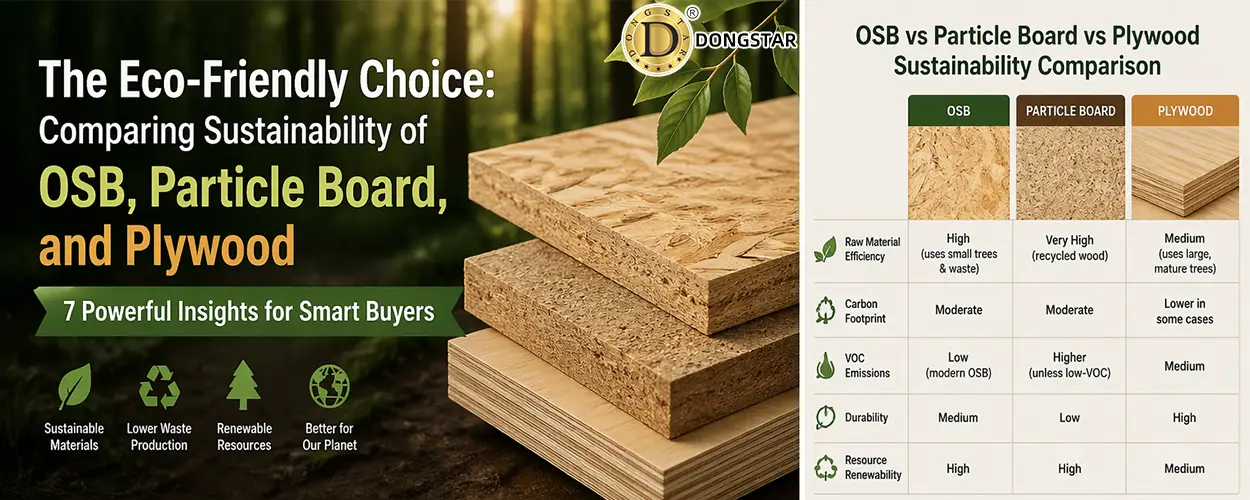
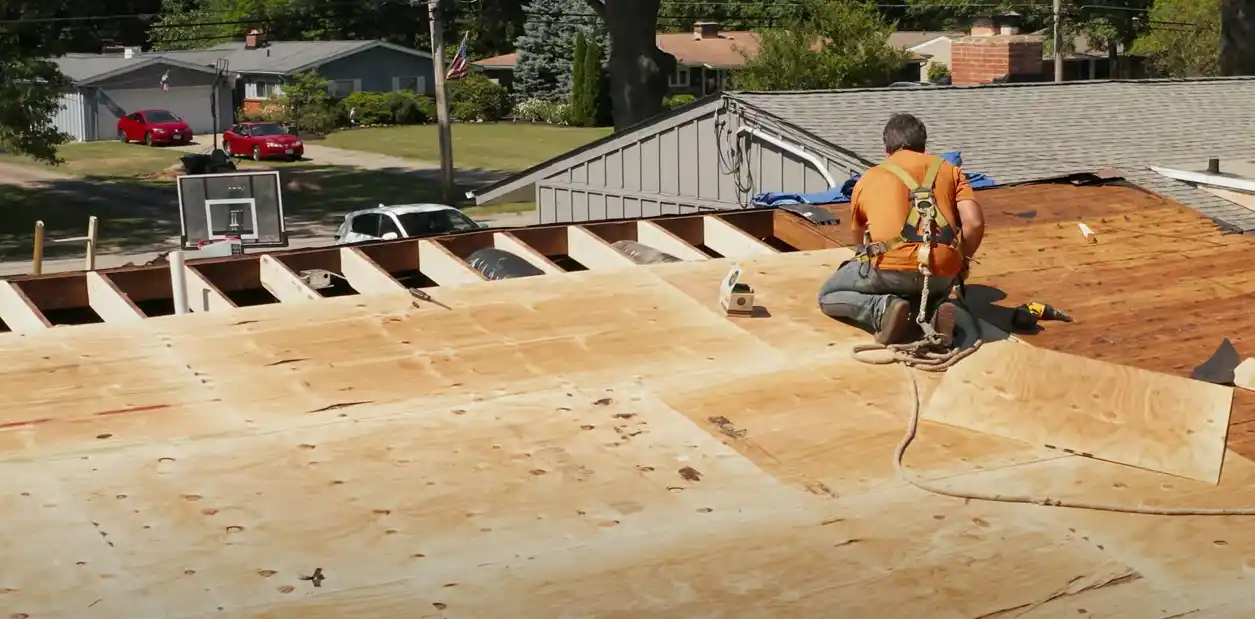
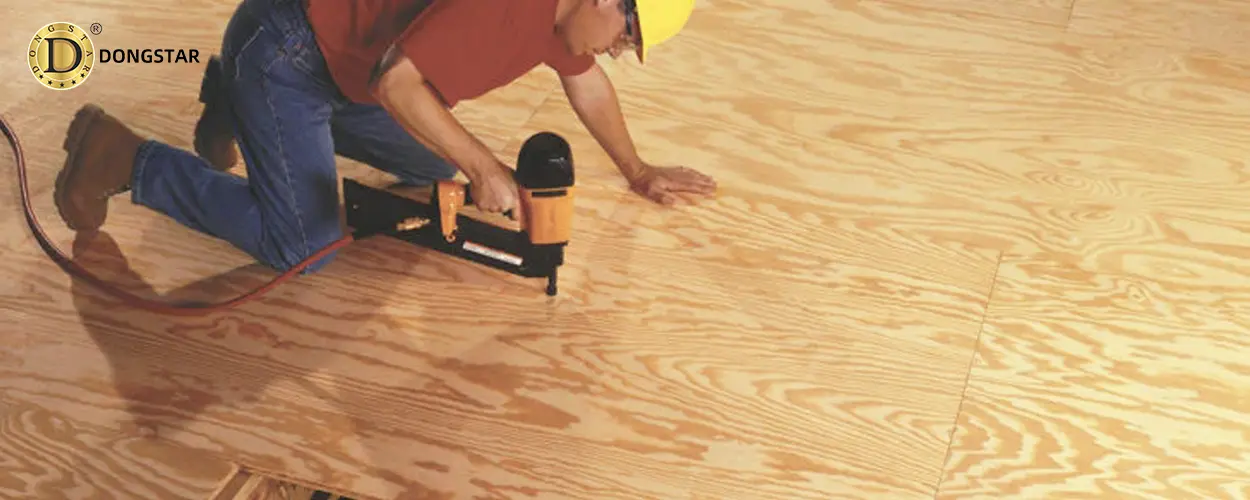
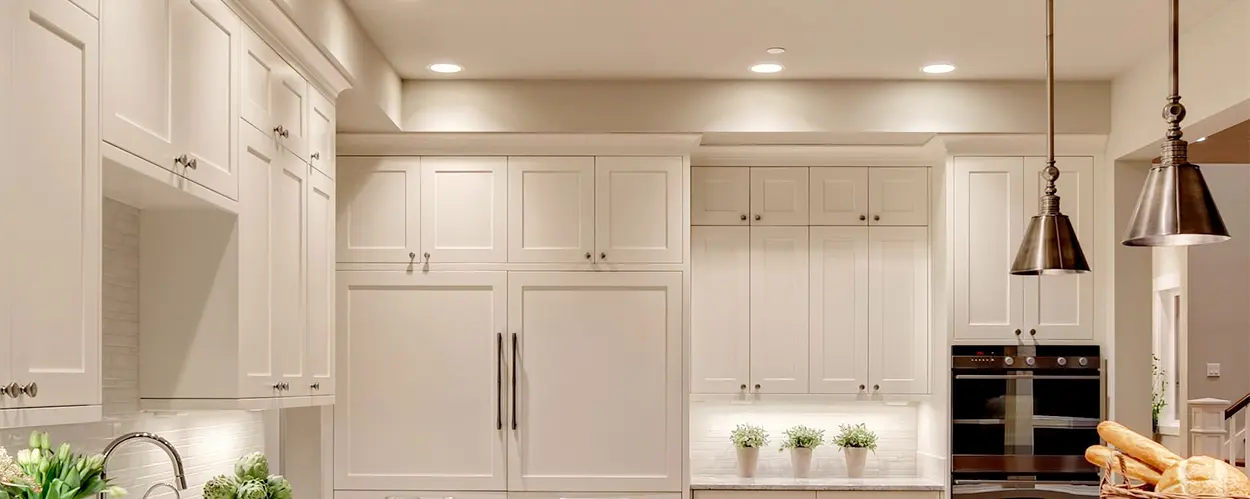
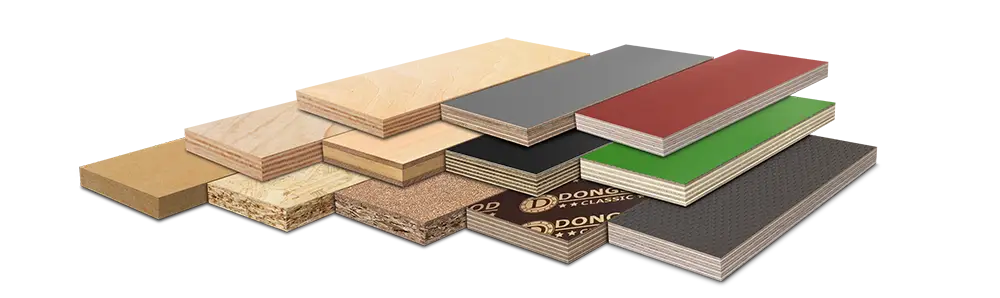
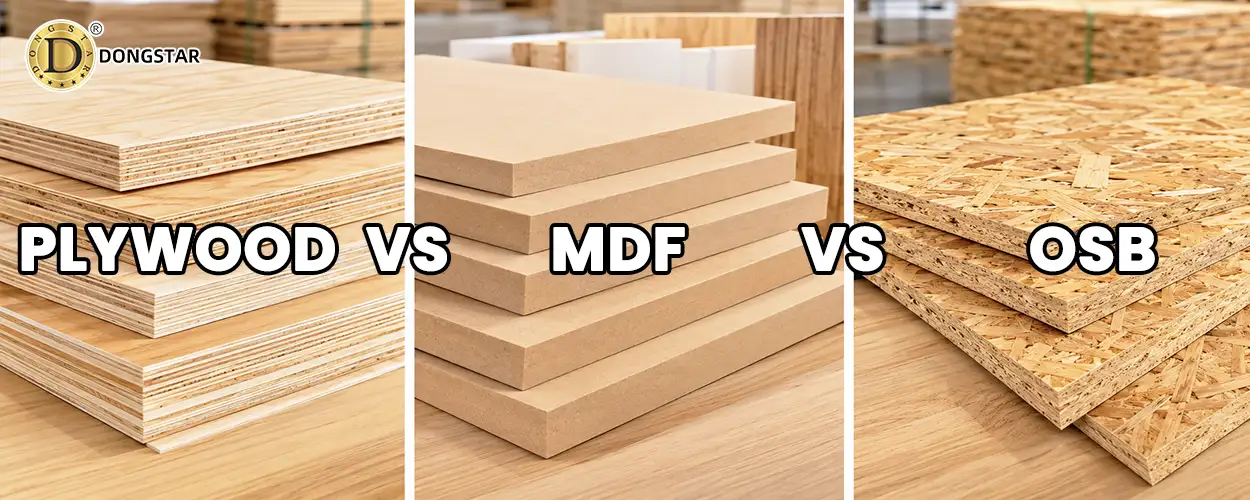
Table of Contents In today’s global construction and furniture industries, choosing the right engineered wood panel is no longer just about price. Importers, contractors, and wholesalers in the US, Europe, Canada, and Australia are paying closer attention to durability, moisture resistance, environmental compliance, machining performance, and long-term project cost.That’s why the debate around Commercial plywood, China MDF Board, and Oriented Strand Board-OSB has become one of the hottest topics among global buyers in 2026.Whether you are sourcing materials for commercial construction, modular furniture, interior decoration, or structural applications, understanding the real difference between these panels can help you: Reduce project costs Avoid customer complaints Improve installation efficiency Increase profit margins Win more large-volume contracts According to recent industry reports, global demand for plywood and engineered wood panels continues to rise due to modular construction, commercial renovation projects, and sustainable building trends.So which board actually performs best for your market?Let’s break it down. What Is Commercial Plywood? Why Commercial Plywood Remains the Preferred Choice for Importers Commercial plywood is manufactured by bonding multiple thin wood veneers together under high pressure. Its cross-grain structure gives it superior strength and dimensional stability compared with many engineered boards.For contractors and wholesalers, plywood remains the “safe choice” because it balances: Structural strength Screw holding capacity Moisture resistance Long lifespan Versatility In Europe and North America, plywood is still heavily used in: Cabinets Flooring underlayment Wall sheathing Roofing Furniture manufacturing Shop fitting Packaging Construction formwork Industry data shows plywood continues to dominate structural and commercial applications because of its durability and performance in demanding environments. Advantages of Commercial Plywood 1. High Strength-to-Weight Ratio Plywood handles heavy loads better than MDF and standard OSB boards. This makes it ideal for: Commercial interiors Heavy-duty shelving Structural applications Transport flooring 2. Better Moisture Resistance Compared with MDF, plywood performs much better in humid climates or wet areas.This is especially important for buyers in: Coastal Europe Southeast Asia Australia The Middle East 3. Longer Service Life Importers prefer plywood because it reduces warranty claims and replacement costs. 4. Strong Global Demand Commercial plywood remains one of the fastest-moving panel products in global B2B trade. What Is MDF Board? Why China MDF Board Is Popular in Furniture Manufacturing MDF (Medium Density Fiberboard) is produced by compressing wood fibers and resin under heat and pressure.Unlike plywood, MDF has a smooth and uniform surface, making it ideal for painting, laminating, and CNC cutting.That’s why China MDF Board is widely used in: Flat-pack furniture Interior wall panels Decorative cabinets Retail displays Office furniture Laminate flooring Advantages of MDF Board 1. Smooth Surface Finish MDF delivers a cleaner painted finish compared with plywood or OSB. 2. Excellent Machining Performance Furniture factories love MDF because it cuts cleanly and works well with CNC equipment. 3. Lower Material Cost For large-volume furniture production, MDF often offers lower overall production costs. 4. Consistent Density MDF panels provide uniform thickness and texture, which improves manufacturing efficiency. Limitations of MDF Despite its advantages, MDF has weaknesses. Poor Water Resistance Standard MDF can swell quickly when exposed to moisture. Lower Screw Holding Strength Compared with plywood, MDF is weaker under heavy loads. Heavy Weight MDF is denser and heavier, increasing transportation costs for importers. What Is Oriented Strand Board-OSB? Why China OSB Board Is Growing Fast in Construction Oriented Strand Board-OSB is manufactured by compressing wood strands with adhesives in specific orientations.OSB has become extremely popular in: Residential construction Wall sheathing Roofing Flooring systems Packaging Temporary structures The rise of modular construction and cost-sensitive building projects is driving global demand for China OSB Board. Advantages of OSB Board 1. Competitive Pricing OSB is often cheaper than plywood in structural applications. 2. Good Structural Performance OSB panels deliver strong load-bearing capabilities for walls and roofs. 3. Large Panel Sizes Builders can reduce installation time using larger OSB sheets. 4. Sustainable Manufacturing OSB uses fast-growing wood species efficiently, supporting sustainability goals. Limitations of OSB Rough Surface OSB is not suitable for premium decorative applications. Edge Swelling In high-moisture environments, lower-quality OSB may swell around edges. Lower Visual Appeal OSB is functional rather than decorative. Plywood vs MDF vs OSB: Full Comparison Table Feature Commercial Plywood China MDF Board Oriented Strand Board-OSB Strength Excellent Medium High Moisture Resistance High Low to Medium Medium to High Surface Smoothness Medium Excellent Rough Screw Holding Excellent Medium Good Cost Medium to High Low Low Structural Use Excellent Limited Excellent Furniture Use Excellent Excellent Limited Weight Medium Heavy Medium Machining Good Excellent Medium Decorative Finish Good Excellent Poor Lifespan Long Medium Long Best For Construction & furniture Interior furniture Structural construction Which Board Is Best for Different Buyers? For Furniture Importers Choose China MDF Board if: You prioritize surface finishing You manufacture modular furniture You need precise CNC cutting Your projects are indoor only Choose plywood if durability matters more. For Construction Contractors Choose Commercial plywood or China OSB Board. Plywood works best for: Premium commercial projects Wet environments Heavy-duty applications OSB works best for: Budget housing Large-scale structural projects Fast installation jobs For Building Material Wholesalers The smartest strategy is usually stocking all three categories. Why? Because different customers prioritize different things: Price-sensitive buyers prefer OSB Furniture factories prefer MDF Contractors prefer plywood The most profitable distributors understand how to position each product correctly. Why More Importers Choose China Plywood Suppliers Global buyers increasingly source engineered wood products from China because of: Stable production capacity Competitive pricing Flexible OEM service Large product range Faster container loading Export experience Leading suppliers now provide: CARB P2 certification FSC certification E0/E1 formaldehyde standards Custom sizing OEM branding Some Chinese suppliers operate integrated plywood, MDF, and OSB production systems to improve quality consistency and reduce lead times. What Buyers Care About Most in 2026 Based on current search trends and industry demand, importers are focusing heavily on: 1. Moisture Resistance Especially for Europe and coastal markets. 2. Formaldehyde Compliance CARB P2, EPA, and E0 standards are now essential. 3. Stable Supply Chains Buyers want reliable shipping schedules and stable pricing.

Plywood vs MDF vs OSB: Which Board Saves More Cost and Wins More Projects in 2026? Read More »