Home » Plywood » Page 2

Plywood

What are the Differences Between Exterior Plywoods?

Construction and cost are the biggest differences between types of exterior plywood. Marine plywood is often the most expensive and that is because of both its look and construction. CDX is the least expensive choice, but that doesn’t mean it won’t hold up well outside, just that it is better suited as the inner-core for a project that you’ll maybe cover in siding, rather than a focal point of a piece of furniture or a pergola, for instance. A good middle ground is ACX: less expensive than marine plywood but more attractive than CDX. Beside cost and look, each type of exterior plywood has a different thickness and weight, which will also affect the weight of the plywood and, therefore, the best ways to use it. Marine plywood is the heaviest, which is great for durability of a bench in your yard or on a boardwalk, but if used as shelving or siding, it may buckle under the weight. Fortunately, there are a variety of exterior plywoods to choose from for your outdoor building needs and picking the right one shouldn’t feel limiting at all. It’s best to consult with a professional so they can assess both your budget and needs in order to help you select the best plywood for your project. Ready to take on your outdoor projects with the perfect plywood choice? From strength to aesthetics, find the ideal option for your needs. Consult with a professional today and elevate your outdoor space!

What are the Differences Between Exterior Plywoods? Read More »

What are the classifications of plywood?

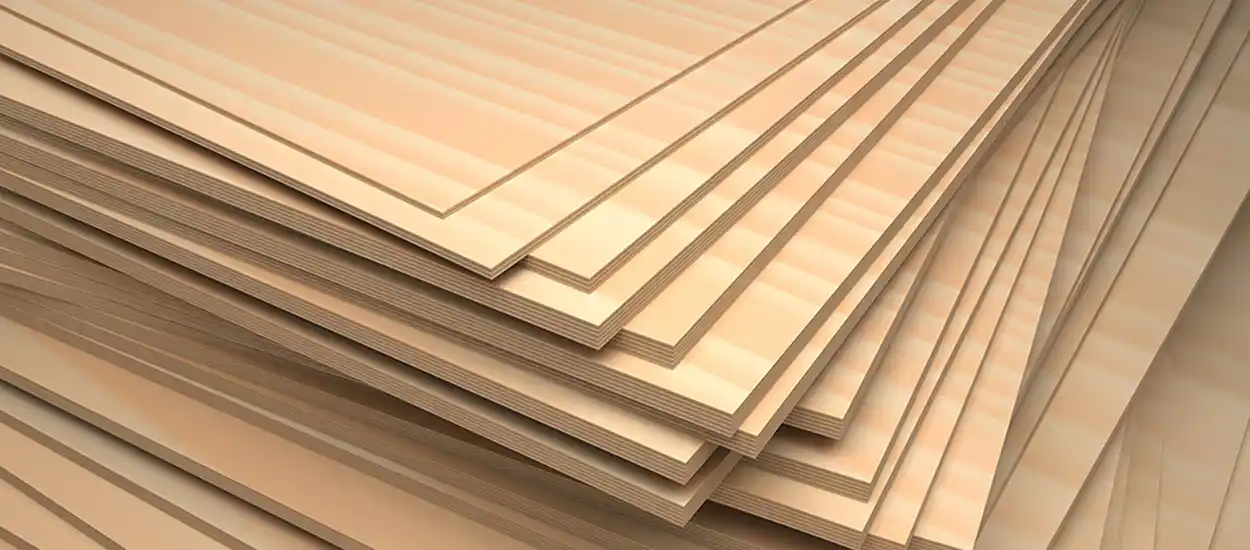
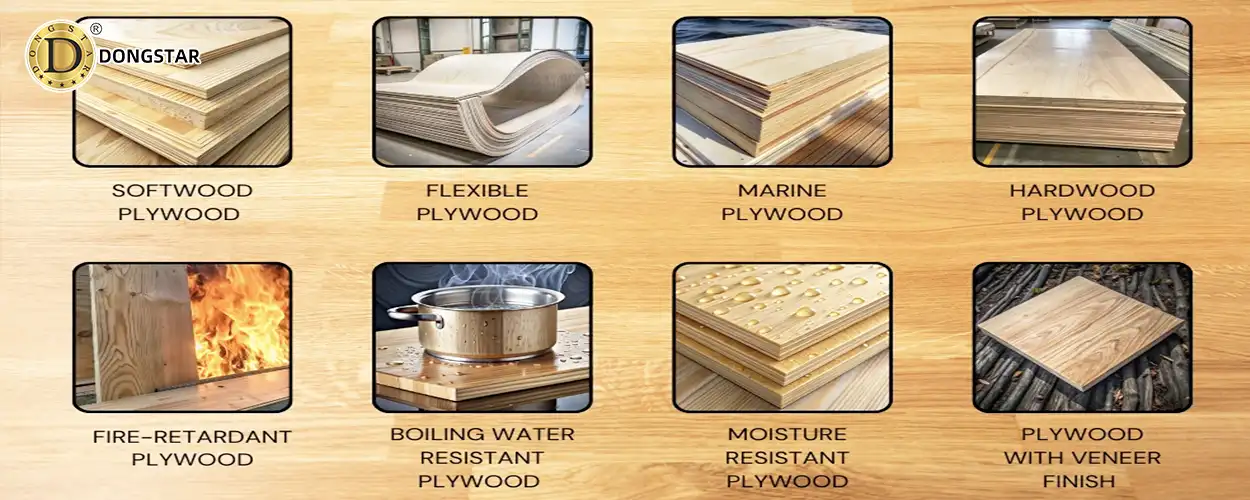
Plywood is a common type of board used in the construction industry, and different types of plywood are required for different uses. 1. Plywood is divided into three or more layers of thin wood and glued. Most of the thin wood produced now is spun thin wood, which is often called veneer. Odd numbered veneers are usually used. The fiber directions of adjacent veneers are perpendicular to each other. Three ply, five ply, seven ply and other odd numbered plywood are commonly used. The outermost veneer is called veneer, the front veneer is called panel, the reverse veneer is called back plate, and the inner veneer is called core plate or middle plate. 2. The species of plywood panel is the species of the plywood. In China, the commonly used broad-leaved trees are basswood, Fraxinus mandshurica, birch, poplar, elm, maple, color wood, Huangbo, maple, nanmu, Schima superba, and Chinese wolfberry. The commonly used coniferous trees are masson pine, Yunnan pine, larch, spruce, etc. 3. There are many classification methods for plywood, which can be classified according to tree species, such as hardwood plywood (birch plywood, tropical hardwood plywood, etc.) and coniferous plywood; 4. According to the purpose, it can be divided into ordinary plywood and special plywood. Ordinary plywood is the plywood suitable for a wide range of purposes, and special plywood is the plywood for special purposes;   5. According to the water resistance and durability of the adhesive layer, ordinary plywood can be divided into weather resistant plywood (class I plywood, with durability, boiling resistance or steam treatment, can be used outdoors), water-resistant plywood (class II plywood, can be soaked in cold water, or often soaked in hot water for a short time, but not resistant to boiling) Moisture resistant plywood (Class III plywood, which can withstand short-term cold water immersion and is suitable for indoor use) and non moisture resistant plywood (class IV plywood, which is used under normal indoor conditions and has certain bonding strength). 6. According to the structure of plywood, it can be divided into plywood, sandwich plywood and composite plywood. The sandwich plywood is the plywood with plate core, and the composite plywood is the plywood with plate core (or some layers) composed of materials other than solid wood or veneer. The two sides of the plate core usually have at least two layers of veneers with wood grain vertically arranged with each other. 7. According to surface processing, it can be divided into sanded plywood, scraped plywood, veneered plywood and pre veneered plywood. The sanded plywood is the plywood whose surface is sanded by the sander, the scraped plywood is the plywood whose surface is scraped by the scraper, and the veneered plywood is the veneer material such as decorative veneer, wood grain paper, impregnated paper, plastic, resin adhesive film or metal sheet, The pre finished plywood is the plywood that has been specially treated at the time of manufacture and does not need to be modified during use. 8. According to the shape of plywood, it can be divided into plane plywood and formed plywood. Formed plywood refers to the plywood that has been directly pressed into curved surface shape in the mold according to the requirements of the product, for special needs, such as wall protection board, corrugated plywood of the ceiling, backrest and back legs of the chair. 9. The common manufacturing method of plywood is the dry heat method, that is, after the dry veneer is coated with glue, it is placed in a hot press to be glued into plywood. The main processes include log scribing and cross sawing, wood segment heat treatment, wood segment centering and rotary cutting, veneer drying, veneer sizing, slab preparation, slab pre pressing, hot pressing, and a series of post-treatment. The purpose of wood heat treatment is to soften the wood segments, increase the plasticity of the wood segments, facilitate the subsequent wood segments to be cut or planed, and improve the quality of veneer. Common methods of wood segment heat treatment include boiling, simultaneous heat treatment of water and air, and steam heat treatment.

What are the classifications of plywood? Read More »

Melamine-plywood

Exploring the Distinction: BWP and BWR Plywood for Your Furniture Projects

Plywood, with its versatility, has numerous variants distinguished by kind, grade, thickness, and size. Among the popular choices, BWP (boiling waterproof) and BWR (boiling water resistant) plywood stand out. Understanding the difference between these variants is crucial in selecting the ideal material for your furniture projects. Let’s delve into the distinctions and guide you in making the right choice. Plywood glue >> BWP and BWR plywood differ in their intended uses, as indicated by government grading standards. BWP is a grade assigned to ply and blockboards, while BWR pertains to manufacturing plywood. To comprehend the difference between the two, we must first explore the disparities between blockboards and plywood. Blockboard and plywood are distinct wood products, each serving specific purposes. Plywood finds extensive use in interior design and furniture projects, while blockboards serve more specialized roles. Blockboards consist of softwood wooden strips, while plywood is created by applying intense pressure to wood, resulting in unique qualities for each. Although BWP and BWR plywood aim for waterproofing, they are technically similar. The main difference lies in their uses, with BWP being tougher, less flexible, and heavier. It can withstand substantial weight and exhibits higher termite resistance, making it ideal for heavy-duty outdoor and indoor furniture. BWP blockboards excel in building patio furniture, doors, and shelves in kitchens and bathrooms. On the other hand, BWR plywood is more malleable, affordable, and lightweight, being used predominantly for interior and semi-outdoor applications. It finds its place in kitchen and bathroom cabinet doors, customized furniture, wall units, TV units, and shoe racks. Choosing between BWP and BWR plywood depends on the nature of your project and your budget. For sturdy furniture capable of handling weather fluctuations, BWP blockboards are the preferred option, identifiable by their ISI specification number — IS:710. While BWP plywood may be costlier, it provides long-lasting durability and resistance. It’s crucial to consider the utility of these products when selecting the right wood for your project. Quality should not be compromised for cost-saving, as it ensures that your furniture endures and serves you for a lifetime. To ensure top-quality plywood, trust only reputable manufacturers. At Dongstar® , we prioritize quality, earning ourselves a reputation as a trusted trademark among reliable and authentic plywood suppliers. Choosing the right plywood is essential, and our factory offers top-quality materials from the best manufacturers. Head over to Dongstar® Plywoods to embark on your furniture project with confidence. Select wisely and create furniture that stands the test of time. [contact-form-7 id=”858″ title=”Contact Dongstar”] Dongstar® Products Fancy Plywood Particle Board Film Faced Plywood MDF & HDF Melamine Board OSB

Exploring the Distinction: BWP and BWR Plywood for Your Furniture Projects Read More »

Plywood - A Versatile Building Material

Plywood: A Versatile Building Material for Indoor and Outdoor Projects

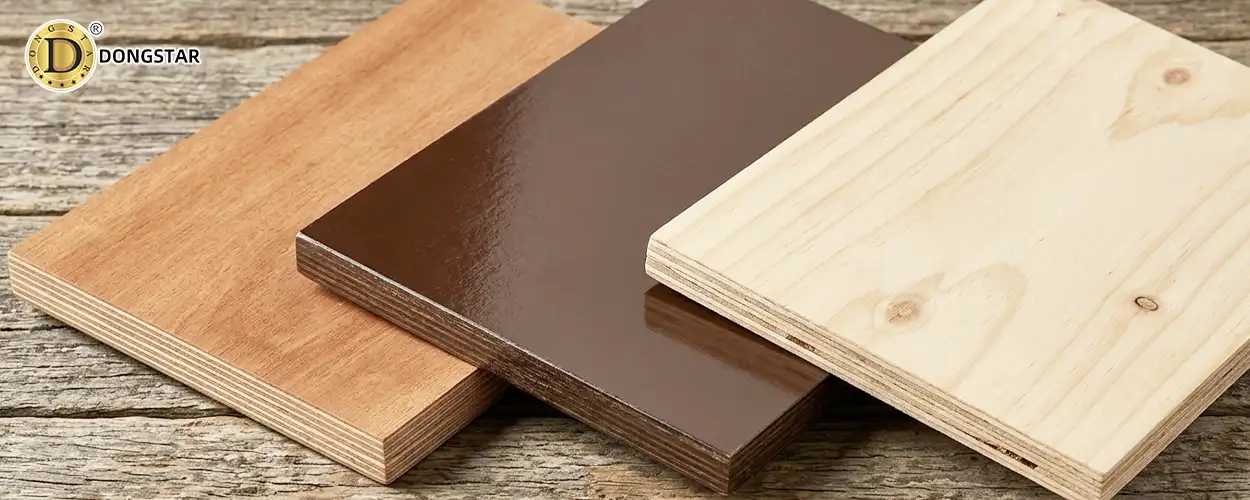
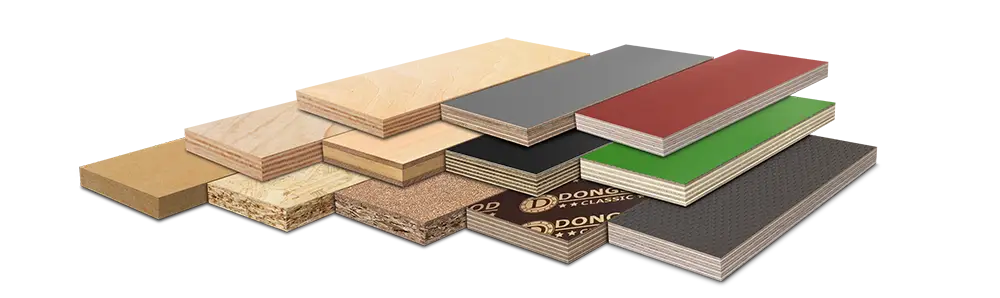
Table of Contents What is plywood? Plywood is an incredibly useful material with a wide range of practical applications, making it a popular choice for interior, structural, and exterior projects. This versatile wood product is created by layering thin sheets of wood veneer and gluing them together, with each adjacent layer having its wood grain rotated up to 90 degrees to one another. The result is a sturdy and flat sheet that can be used in various construction tasks. What is Plywood: A Comprehensive Guide to Types, Advantages, and Applications >>> The Plywood Manufacturing Process: The process of creating plywood varies depending on its intended use. For building purposes, the plywood is pressed into large flat sheets, while for applications in aircraft or boat construction or furniture-making, it is formed into curves. Each layer of ply has its grain running at right angles, ensuring strength, durability, and minimal chances of shrinking. The plywood typically consists of a minimum of three layers of wood held together with an adhesive. Plywood Materials: The materials used in plywood production play a significant role in determining its properties. Plywood can be made from softwoods, hardwoods, or a combination of both. Common softwoods used include cedar, pine, redwood, and spruce, with Douglas fir being the most frequently used. Hardwood plywood, on the other hand, is commonly created using oak, mahogany, teak, maple, or ash. Composite plywood, featuring very thick sheets, is made using either solid lumber pieces or particle board for its core. Dongstar® Plywood Core >>> Adhesive Types: Various types of adhesives are used to bond the layers of wood in plywood, depending on their intended usage. Phenol-formaldehyde resin is employed for exterior sheets as it provides exceptional strength and moisture resistance, making it ideal for outdoor projects. Interior plywood sheets usually use soybean protein or blood protein-based adhesives, but they may also adopt the same phenol-formaldehyde resin as the exterior sheets. For furniture-making, the urea-formaldehyde resin is commonly used. Dongstar® Plywood Glue >>> Additional Plywood Materials: Some projects require additional materials to enhance plywood’s properties. Overlaid plywood has a layer of metal, plastic, paper, or fabric bonded to its back or face, increasing its resistance to moisture. This type is prevalent in transportation, agriculture, and construction industries. Plywood can also have a layer of liquid stain applied to give it a polished look, perfect for decorative projects. Additionally, various chemicals can be used to treat plywood to enhance its properties, such as increasing flame or decay resistance. Dongstar® Plywood Film >>> Plywood Classification: Plywood is classified into two categories, each with its own grading system. The construction/industrial classification focuses on strength and is rated based on veneer grade, exposure capability (exterior or interior), and the type of adhesive used. Grades range from D (lowest, multiple defects) to N (highest, very few defects). The hardwood/decorative classification emphasizes appearance, with grades based on the plywood’s resistance to moisture. The face of this type is usually free from defects, used primarily for decorative purposes. Plywood Sizes: Plywood comes in a wide range of sizes, with thicknesses ranging from 0.6 inches to 3 inches. The most commonly used thickness falls between 0.25 to 0.75 inches. For uniformity, the back and face of the veneer must have the same thickness, and the top and bottom crossbands must also be of equal size. Dongstar® plywood’s universal properties and versatile nature make it an ideal choice for a wide array of building and decorative projects. Whether for interior, structural, or exterior applications, plywood is an invaluable material that brings durability and functionality to construction endeavors. For more information about plywood and its manufacturing process, feel free to contact Dongstar®, a plywood supplier and manufacturer from China. Dongstar® Plywood: Film Faced Plywood: Film faced plywood is a durable and versatile construction material. It is overlaid with a protective film on both sides, making it resistant to moisture, chemicals, and abrasion.  OSB Board: OSB (Oriented Strand Board) is a popular wood-based panel known for its versatility and strength.  MDF & HDF: Thanks to flexible applications and customizable functions, MDF & HDF boards have become the first choice for DIY enthusiasts and professionals. Marine Board: Marine plywood is a type of high-quality plywood known for its exceptional durability and water-resistant properties.  Particle Board: Particle board, also known as chipboard, is an engineered wood product made from wood particles, such as wood chips, sawmill shavings, and other wood residues.  Melamine Board: Melamine board is a popular and versatile material used in a wide range of interior applications, known for its exceptional durability and attractive surface finish.

Plywood: A Versatile Building Material for Indoor and Outdoor Projects Read More »

decorative plywood

What is decorative plywood

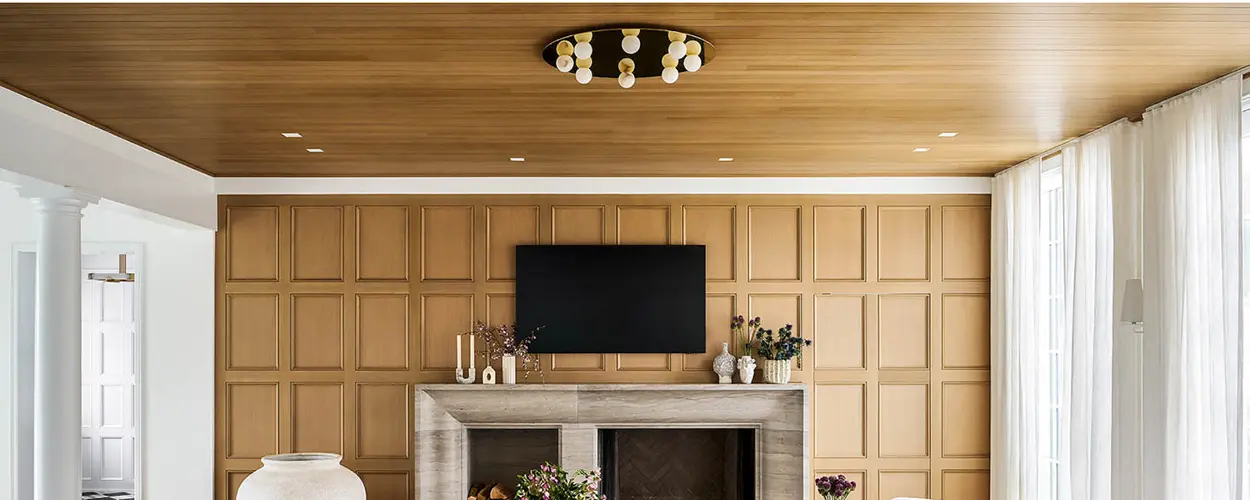
Table of Contents Decorative plywood, also known as fancy plywood or veneer plywood, is a type of engineered wood product that features a decorative face veneer on both sides. It is created by bonding thin slices of natural wood veneer to a plywood core using adhesive under high pressure and heat. The decorative veneer gives the plywood an attractive appearance, making it ideal for aesthetic applications in interior design, furniture manufacturing, and decorative finishes. Advantages of Decorative Plywood: Applications of Decorative Plywood: As a prominent plywood manufacturer from China, Dongstar® offers a diverse selection of high-quality decorative plywood options to meet various design and functional requirements. Our decorative plywood products feature premium veneers, precise craftsmanship, and reliable performance, ensuring exceptional results in your decorative projects. Choose Dongstar® as your trusted supplier and manufacturer of decorative plywood to elevate your interior spaces and furniture creations with stunning natural wood aesthetics.

What is decorative plywood Read More »

Scroll to Top

Submit Now, Get Best Quote Today.​

Get in Touch

Please feel free to leave your information.

Dongstar- Plywood