Top 10 Plywood Grades and Their Best Uses in 2025
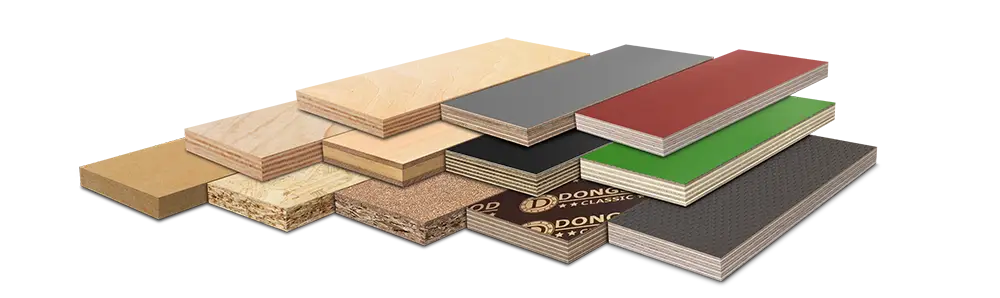
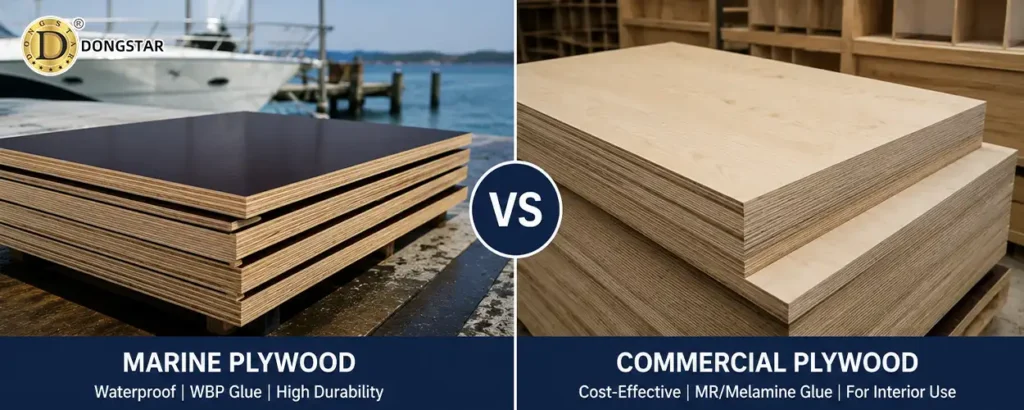
Table of Contents Plywood is one of the most versatile building materials, used in everything from furniture to construction. However, not all plywood is the same—different grades are designed for specific purposes. In this guide, we’ll explore the top 10 plywood grades in 2025 and their best applications to help you choose the right type for your project. 1. Understanding Plywood Grades: What Do They Mean? Plywood is classified based on quality, durability, and intended use. The grading system typically considers factors like:Face Veneer Quality (A, B, C, D)Core Material (Solid, Laminated, Composite)Moisture Resistance (Interior, Exterior, Marine)The most common grading standards include:A-A: Premium quality, smooth finish (best for furniture and cabinetry)A-B: One high-quality side, one slightly imperfect side (good for visible surfaces)B-B: Moderate quality, minor defects (suitable for structural uses)C-D: Rough surface, used for sheathing and subfloorsUnderstanding these grades ensures you avoid overpaying for unnecessary quality while still getting the right strength and finish. 2. The Top 10 Plywood Grades and Their Best Uses 1. A-A Grade PlywoodBest for: High-end furniture, cabinets, and decorative surfacesWhy? Smooth, knot-free finish on both sides2. A-B Grade PlywoodBest for: Shelving, tabletops, and interior panelingWhy? One premium side for aesthetics, one functional side3. B-B Grade PlywoodBest for: Structural framing and hidden supportsWhy? Cost-effective with moderate strength4. C-D Grade PlywoodBest for: Subfloors, roofing, and temporary structuresWhy? Economical but not visually appealing5. Marine Grade PlywoodBest for: Boats, docks, and high-moisture areasWhy? Waterproof glue and high-quality veneers6. Structural Plywood (CDX)Best for: Roofing, walls, and exterior sheathingWhy? Strong, durable, and moisture-resistant7. Sanded Plywood (ACX)Best for: Cabinets, doors, and painted finishesWhy? Smooth surface, ideal for finishing8. Hardwood Plywood (Birch, Oak, Maple)Best for: Fine woodworking and luxury furnitureWhy? Dense, attractive grain patterns9. Flexible Plywood (Bending Plywood)Best for: Curved furniture and architectural designsWhy? Can bend without breaking10. Fire-Retardant Plywood (FR Grade)Best for: Commercial buildings and safety-critical areasWhy? Treated to resist flames and slow fire spread 3. How to Choose the Right Plywood Grade for Your Project Selecting the best plywood depends on three key factors:A. Project RequirementsFurniture & Cabinets: A-A or A-B for a smooth finishOutdoor Use: Marine or CDX for weather resistanceStructural Work: B-B or C-D for cost efficiencyB. Budget ConsiderationsHigh-grade plywood (A-A, Marine) is expensive but long-lasting.Lower grades (C-D) are affordable but may need additional sealing.C. Environmental ConditionsHumid/Wet Areas: Marine or treated plywoodHigh-Traffic Zones: Hardwood or sanded plywood for durability Choosing the right plywood grade can save you money, time, and effort while ensuring a professional finish. Whether you’re building furniture, renovating a home, or working on a large construction project, matching the plywood grade to its best use is essential. Need help sourcing high-quality plywood? Check out our recommended suppliers or contact our experts for personalized advice!
Top 10 Plywood Grades and Their Best Uses in 2025 Read More »