Home » Blog » Page 7

Blog

Types and Manufacturing Process of OSB Produced in China

Table of Contents China is a significant global producer of Oriented Strand Board (OSB), providing affordable, high-quality OSB products that serve a range of applications, from construction to furniture manufacturing. Chinese OSB companies have invested in modern production facilities and sustainable practices, allowing them to meet international standards and offer competitive pricing. Here’s a detailed overview of China’s OSB industry, including key product types, manufacturing processes, industry standards, and main production regions. 1. Types of OSB Produced in China Standard OSB: Made from small, thin wood strands bonded together with adhesives under heat and pressure. It’s commonly used in wall sheathing, subflooring, and general construction.Moisture-Resistant OSB: This variant includes water-resistant adhesives and is treated to resist humidity and moisture, making it ideal for environments prone to dampness.Fire-Retardant OSB: Special additives make the board resistant to fire, suited for applications where enhanced safety is required.Laminated OSB: Often used for decorative finishes, this type has a laminated surface, suitable for furniture, cabinets, and interior décor. 2. Manufacturing Process Log Selection and Stranding: High-quality logs are selected and broken down into thin strands. These strands are carefully oriented to enhance the strength of the board.Drying and Adhesive Application: The strands are dried and coated with waterproof or moisture-resistant adhesives, which help ensure board durability and performance.Layering and Pressing: Layers are oriented in specific patterns to maximize strength, with adhesives added between layers. The panels are then pressed under high heat and pressure to bond the layers together.Finishing and Quality Inspection: After pressing, the OSB panels are trimmed to size, sanded, and inspected for quality. Quality checks assess density, strength, and thickness. 3. Advantages of Choosing China-Based OSB Companies Competitive Pricing and High Volume: Due to large-scale production capabilities, Chinese OSB companies provide cost-effective products without compromising on quality.Customizable Product Options: Many OSB manufacturers in China offer customizations, including size, thickness, and additional treatments like moisture resistance and lamination.Strong Export and Logistics Experience: Most companies in this sector are well-versed in international logistics, packaging, and compliance with export regulations, making them reliable partners for overseas buyers.Sustainable Sourcing and Environmental Compliance: With increased demand for eco-friendly products, many Chinese OSB manufacturers prioritize sustainable sourcing practices and hold certifications that confirm responsible forest management. China’s OSB industry combines quality, competitive pricing, and customization, making it a leading source of OSB for global markets. By selecting the right manufacturer, companies can access high-quality OSB panels that meet international standards and are tailored for diverse applications.

Types and Manufacturing Process of OSB Produced in China Read More »

Common Uses and Benefits of Poplar Plywood

Table of Contents Common Uses of Poplar Plywood Poplar plywood’s versatility makes it suitable for a variety of applications. Here are some of its most common uses: Furniture Making Poplar plywood is popular in furniture manufacturing, where it’s used to build cabinets, tables, chairs, and frames. Its lightweight nature, combined with its smooth finish, makes it ideal for indoor furniture that requires a paintable surface. Interior Decor In interior decor, poplar plywood is used for wall paneling, shelving, and other decorative elements. Its smooth surface takes paint and finishes well, allowing for endless customization options to match interior design schemes. Crafts and DIY Projects For hobbyists and DIYers, poplar plywood is a favorite due to its ease of cutting and shaping. It’s often used in smaller projects, such as picture frames, craft boxes, and decorative signs, where precision and finish are essential. Benefits of Using Poplar Plywood Affordability and AccessibilityPoplar plywood is generally more affordable than other types of hardwood plywood, making it accessible to both professional woodworkers and DIY enthusiasts. This affordability does not compromise quality, as poplar plywood remains durable and reliable.High WorkabilityPoplar plywood is easy to cut, drill, and shape, allowing for detailed work and intricate designs. This high workability makes it an ideal material for custom furniture, cabinetry, and artistic woodworking projects.Versatility in ApplicationsPoplar plywood’s lightweight nature and smooth surface make it suitable for a variety of applications, from structural furniture to decorative paneling. Its adaptability allows it to be used in numerous industries, including interior design, furniture, and home improvement. Comparing Poplar Plywood to Other Types of Plywood To better understand where poplar plywood fits in the plywood spectrum, let’s compare it to a few other common plywood types. Poplar vs. Birch PlywoodBirch plywood is heavier and denser than poplar, making it more durable and suitable for high-stress applications. However, poplar is easier to work with and costs less, making it preferable for less demanding indoor projects.Poplar vs. Pine PlywoodWhile both poplar and pine plywood are lightweight, pine tends to have more natural knots and imperfections, which can affect the final appearance. Poplar, by contrast, is smoother and easier to finish, which is ideal for projects that require a clean surface.Poplar vs. Oak PlywoodOak plywood is more robust and offers a distinct wood grain pattern, making it desirable for high-end furniture and cabinetry. However, it is also heavier and more expensive than poplar plywood, which is better suited for budget-friendly, lighter applications.

Common Uses and Benefits of Poplar Plywood Read More »

Furniture-banner

Advantages and Common Uses of Using Plywood in Furniture

Table of Contents 1. How Furniture Plywood is Made The manufacturing process of plywood contributes to its resilience and versatility, making it one of the best materials for furniture construction. 2. The Plywood Manufacturing Process Plywood is made by peeling logs into thin sheets of veneer. These sheets are dried and then glued together in alternating layers. By arranging the grains of each layer perpendicular to the one below it, plywood achieves its characteristic strength and dimensional stability. The layers are pressed under heat and pressure to form a single, rigid panel. 3. Layers and Veneers: What Makes Plywood Strong? Plywood’s strength comes from its multi-layered construction, typically consisting of an odd number of layers to maintain balance and prevent warping. The use of alternating grain patterns between layers also helps to counteract the natural tendency of wood to expand or shrink. 4. Advantages of Using Plywood in Furniture Durability and Strength Thanks to its cross-grain structure, plywood is far stronger and more resistant to splitting than solid wood. This makes it ideal for furniture that needs to support significant weight or endure constant use, such as chairs, tables, and shelving units.Versatility in Design Plywood is highly versatile, allowing it to be shaped, cut, and veneered in a variety of ways. Whether you’re crafting minimalist modern furniture or intricate traditional designs, plywood adapts well to different styles. Cost-Effectiveness Compared to solid wood, plywood is a cost-effective alternative. It provides a strong, reliable material at a fraction of the cost, making it accessible for both custom and mass-produced furniture designs. Environmental Sustainability Many manufacturers source plywood from sustainable forests, making it a more environmentally friendly option than some solid wood types. Additionally, because plywood uses thin veneers of wood, it maximizes the use of timber resources. 5. Common Uses of Plywood in Furniture Cabinets and Shelves Plywood is widely used in cabinets and shelving units due to its strength and ability to support heavy loads without warping. Its smooth surface also makes it ideal for finishes like laminates and paints. Tables and Chairs From dining tables to office chairs, plywood can be shaped into ergonomic and aesthetically pleasing designs. Its flexibility makes it a popular choice for bentwood furniture styles, where pieces are shaped by bending the wood into curves. Bed Frames and Other Bedroom Furniture In bedroom furniture, plywood is often used for bed frames, headboards, and dressers. Its durability ensures that these pieces can withstand years of use without significant wear or damage.

Advantages and Common Uses of Using Plywood in Furniture Read More »

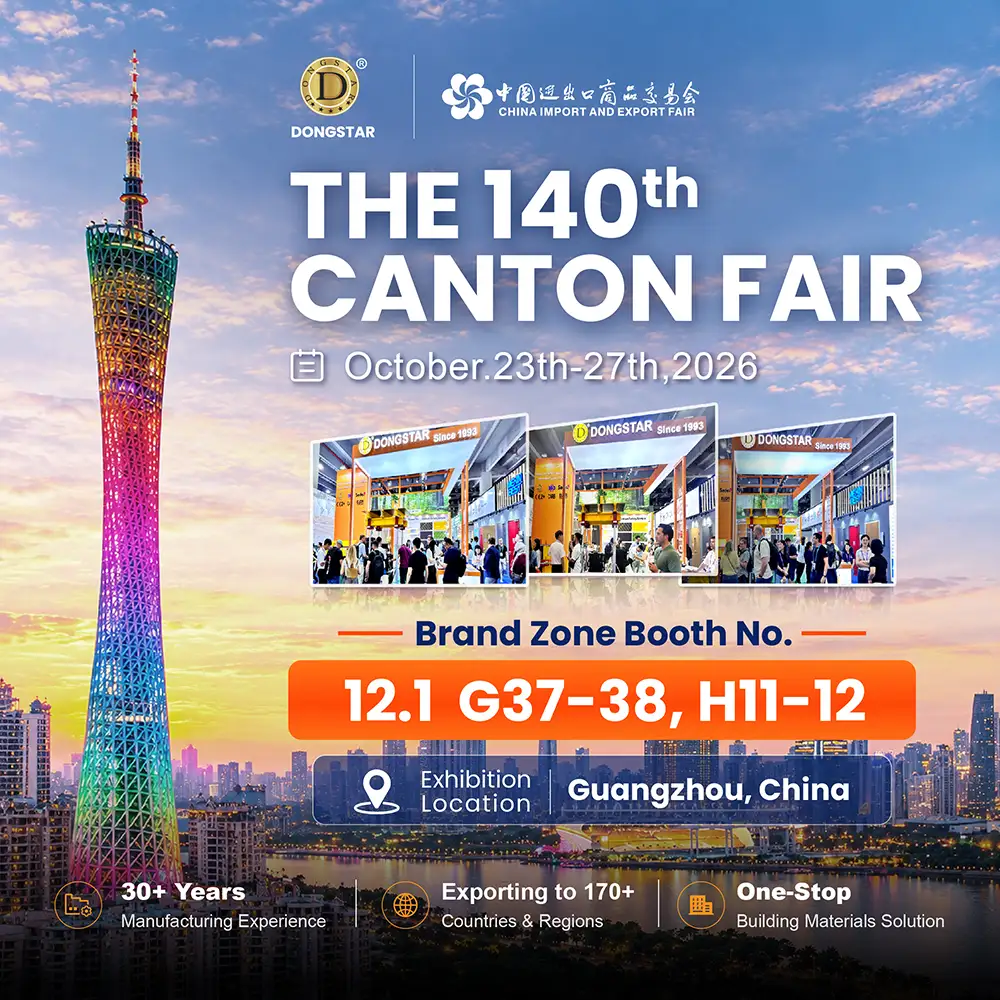
Canton Fair Special Invitation

Canton Fair Special Invitation

Table of Contents Hello everyone! We’re thrilled to announce that our products will be exhibited at the Canton Fair, Phase 2! https://dongstarply.com/wp-content/uploads/2024/10/video2.mp4 Date: October 23-27Booth: 11.2 G17-18Get ready to explore an impressive array of products at our booth! We’ll be showcasing:PlywoodFormwork Film faced PlywoodMedium Density Boards (MDF)Melamine BoardsWPC Products (Wood Plastic Composites) Each product represents our commitment to innovation and quality. We’re excited to meet industry colleagues and friends, discuss the latest trends, and forge new partnerships. Everyone is welcome to visit our booth for insightful exchanges, exciting discoveries, and lucrative business opportunities!See you at the Canton Fair! Let’s build something great together!  Dongstar® Products Fancy Plywood Particle Board Film Faced Plywood MDF & HDF Melamine Board OSB [contact-form-7 id=”858″ title=”Contact Dongstar”]

Canton Fair Special Invitation Read More »

Manufacturing Process and Common Uses of Birch Plywood

Table of Contents 1. Manufacturing Process of Birch Plywood The process of manufacturing birch plywood begins with the harvesting of birch trees. The logs are debarked and then subjected to a rotary cutting process, where thin sheets of veneer are peeled from the log. These veneers are then dried to remove moisture and stacked in alternating grain directions to create stability.The layers of veneers are glued together using high-pressure and temperature processes, which bond the layers securely. The most common method is hot pressing, where heat and pressure activate the glue, resulting in a strong and uniform panel. Some manufacturers apply additional surface treatments or coatings to enhance durability or improve moisture resistance. 2. Properties of Birch Plywood Birch plywood is celebrated for its strength and durability. Due to its cross-laminated structure, it resists warping and splitting, which are common issues with solid wood. Its stability makes it ideal for applications requiring precision, such as cabinetry and furniture making.The appearance of birch plywood is also a significant factor in its popularity. Birch has a pale, smooth surface with a fine, even grain that readily accepts stains and paints. This allows for versatility in finishing, whether the goal is to highlight the natural beauty of the wood or to match a specific interior color scheme.In terms of stability, birch plywood performs well under various environmental conditions. However, like most plywood, it should be protected from excessive moisture to prevent swelling or delamination. 3. Grades of Birch Plywood Birch plywood is available in a range of grades, which are classified based on the quality of the face and back veneers, as well as the presence of knots, splits, or other imperfections. Common grades include:B/BB: This is the highest grade, with a smooth, defect-free face and a back that may have small patches or imperfections. It’s often used for cabinetry or furniture where the face will be visible.BB/BB: Both the face and back may have some patches or imperfections, but the overall quality is still quite high. This grade is popular for more functional applications where the aesthetics are less critical.CP/CP: A more economical grade with visible defects on both sides, typically used for structural applications or where appearance is not a priority. 4. Common Uses of Birch Plywood Birch plywood is a versatile material used in a variety of applications, including:Furniture manufacturing: Its strength and aesthetic appeal make birch plywood a popular choice for creating high-quality furniture, such as tables, chairs, and shelving units.Cabinetry: The smooth, uniform surface of birch plywood is ideal for cabinets, especially in kitchens and bathrooms, where durability and resistance to warping are important.Wall paneling: Birch plywood is also used for interior wall paneling, providing a sleek, modern appearance in homes and commercial spaces.Flooring: Some grades of birch plywood are used as a base material for engineered hardwood floors, offering both strength and aesthetic appeal.

Manufacturing Process and Common Uses of Birch Plywood Read More »

Green Film Faced Plywood-banner02

BETTERWAY Green Film Faced Plywood comes with several notable features

Table of Contents Notable Features: Features of BETTERWAY Green Film Faced Plywood BETTERWAY Green Film Faced Plywood comes with several notable features:Green film coating: Provides exceptional durability and a weather-resistant surface.Waterproof properties: Ideal for construction projects where exposure to water or moisture is common.Sustainability: The brand emphasizes the use of eco-friendly materials and practices, contributing to reduced environmental impact.These features make BETTERWAY plywood a top choice for construction professionals and furniture makers alike. BETTERWAY’s green film-faced plywood Materials and Manufacturing Process BETTERWAY’s green film-faced plywood is made from sustainable wood sources, ensuring both quality and eco-friendliness. The plywood core is often composed of hardwood or poplar, known for their structural strength. The manufacturing process involves bonding these layers together with high-pressure techniques and applying a waterproof green film surface. This method guarantees long-lasting performance and resistance to the elements.Benefits of Using BETTERWAY Green Film Faced Plywood BETTERWAY plywood is recognized for its:Strength and durability: Engineered to withstand heavy loads and harsh environments.Environmental benefits: With a commitment to sustainability, BETTERWAY ensures its products have minimal ecological footprints.Low maintenance: The green film coating reduces the need for frequent repairs or upkeep, making it a cost-effective option for long-term use.BETTERWAY’s Commitment to Sustainability BETTERWAY prides itself on sourcing wood from sustainably managed forests and using production processes that minimize environmental harm. The company holds several certifications, attesting to its eco-friendly practices and dedication to responsible manufacturing.Comparison with Other Film Faced Plywood Products When compared to other brands, BETTERWAY Green Film Faced Plywood offers superior value due to its combination of affordability, durability, and environmental responsibility. In terms of performance, BETTERWAY products exhibit high water resistance and long-lasting durability, making them a preferred option for many. Applications Applications of BETTERWAY Green Film Faced Plywood BETTERWAY plywood is versatile, with primary applications including:Construction: Widely used in concrete formwork due to its strength and smooth surface.Furniture and interior design: The green film adds a sleek, modern finish to furniture pieces.Industrial uses: Ideal for scaffolding, vehicle flooring, and storage solutions.Durability and Strength Tests BETTERWAY subjects its plywood to rigorous testing to ensure it meets high industry standards. Strength tests simulate extreme conditions, such as heavy weight loads and exposure to moisture, to verify the plywood’s durability. BETTERWAY Green Film Faced Plywood consistently performs well, retaining its shape and strength even in demanding environments.Waterproofing and Weather Resistance The green film surface of BETTERWAY plywood provides excellent resistance to water, making it suitable for outdoor use and construction in wet conditions. The film also protects against chemicals and UV exposure, extending the plywood’s lifespan in harsh weather conditions. BETTERWAY Green Film Faced Plywood Sizes and Specifications BETTERWAY plywood is available in a variety of sizes and thicknesses, allowing for customization based on project needs. Standard thickness options range from 1mm to 21mm, with different surface finishes depending on the intended application.Installation and Handling of BETTERWAY Green Film Faced Plywood Proper installation is crucial for maximizing the lifespan of BETTERWAY plywood. Tips for handling include using sharp, high-quality saw blades for cutting, and ensuring the edges are sealed after cutting to maintain water resistance. BETTERWAY plywood is easy to handle and can be installed with standard construction tools.

BETTERWAY Green Film Faced Plywood comes with several notable features Read More »

Green Film Faced Plywood-Banner

A Brief Introduction to Green Film Faced Plywood

Table of Contents Product Overview: Introducing our premium Green Film Faced Plywood, specially crafted to meet the rigorous demands of the Middle Eastern market. This plywood panel stands out in the fields of construction, decoration, and furniture manufacturing across the Middle East, thanks to its exceptional durability, stability, and eco-friendliness. Key Features: Eco-Friendly Material: Made from high-quality raw wood that undergoes stringent selection and processing, ensuring each layer meets environmental standards. The surface is covered with a green film, which not only enhances aesthetics but also helps reduce the emission of harmful substances like formaldehyde, providing a healthy living environment.High Strength and Stability: Utilizing advanced production techniques and precise lamination technology, Green Film Faced Plywood exhibits outstanding bending strength and load-bearing capacity. It maintains stable performance, resistant to deformation or cracking, even in extreme climatic conditions such as the high temperatures and arid environments of the Middle East.Wear and Scratch Resistance: The green film surface undergoes special treatment, offering superior wear and scratch resistance. Suitable for various applications where durability and aesthetics are paramount, it ensures long-lasting performance with minimal maintenance. Versatile Applications: Ideal for a wide range of applications, including formwork in construction, furniture manufacturing, shelving, and more. Its smooth and even surface makes it perfect for painting, staining, or laminating, adding to its versatility and appeal.Supplied to Azizi: Proudly serving clients like Azizi, our Green Film Faced Plywood has been recognized for its quality and reliability in major projects across the Middle East. This partnership underscores our commitment to delivering top-notch products that meet the highest standards in the region. Market Focus – Middle East: Specifically tailored for the Middle Eastern market, our Green Film Faced Plywood is designed to withstand the unique challenges of the region’s climate and construction practices. Its combination of durability, eco-friendliness, and aesthetic appeal makes it an ideal choice for a variety of projects, from high-rise buildings to luxurious homes.Choose Green Film Faced Plywood for your next project and experience the difference in quality, performance, and reliability. Contact us today for more information and inquiries.

A Brief Introduction to Green Film Faced Plywood Read More »

Installation and Applications of Pine Plywood

Table of Contents Applications of Pine Plywood ConstructionPine plywood is widely used in construction for flooring, walls, and roofing. Its structural integrity makes it suitable for both residential and commercial buildings.Furniture MakingCraftsmen and manufacturers often use pine plywood to create furniture pieces, including cabinets, tables, and shelves. Its versatility allows for creative designs and finishes.DIY ProjectsFor DIY enthusiasts, pine plywood is an excellent material for various projects, from home decor to custom storage solutions. Its workability makes it easy to cut, shape, and finish. Installation Guide for Pine Plywood Preparation and Tools RequiredBefore starting, gather necessary tools such as a saw, measuring tape, clamps, and sandpaper. Ensure the workspace is clean and free of debris to facilitate a smooth installation process.Step-by-Step Installation Process1.Measure and Cut: Measure the area where the plywood will be installed, and cut the sheets to size.2.Secure the Plywood: Use clamps to hold the plywood in place temporarily.3.Fasten the Sheets: Attach the plywood using screws or nails, ensuring they are evenly spaced for stability.4.Finish the Edges: Sand down edges for a smooth finish and apply paint or stain if desired. Maintenance and Care Cleaning TechniquesRegular cleaning with a damp cloth is usually sufficient to maintain pine plywood. Avoid harsh chemicals that can damage the surface finish.Repairing DamageMinor scratches can be sanded down and refinished. For larger damages, consider replacing the affected plywood section to maintain structural integrity.

Installation and Applications of Pine Plywood Read More »

Melamine-plywood

Melamine Faced Plywood: The Ideal Choice for Modern Design

Table of Contents What is Melamine Faced Plywood? Composition and Manufacturing Process Melamine Faced Plywood (MFP) is a type of engineered wood product that combines the structural strength of plywood with the aesthetic benefits of melamine. This material is created by applying a melamine resin laminate to one or both sides of a plywood core, enhancing its durability and visual appeal. What is Melamine? Melamine is a thermosetting plastic commonly used in laminate applications. It’s known for its hardness and resistance to scratches, making it ideal for surfaces that require durability and easy maintenance. When melamine is combined with other materials, it forms a strong and moisture-resistant surface. How is Melamine Faced Plywood Made? The manufacturing process involves several steps:Plywood Core Production: Thin layers of wood veneer are glued together in a cross-laminated fashion to create the plywood core, providing stability and strength.Melamine Lamination: A sheet of melamine resin is applied to the surface of the plywood. This can be done using heat and pressure, ensuring a strong bond.Trimming and Finishing: Once the melamine is applied, the edges are trimmed, and the surface is polished to achieve a smooth finish. Advantages of Melamine Faced Plywood Aesthetic Appeal One of the primary benefits of melamine faced plywood is its aesthetic versatility. Available in a wide range of colors, patterns, and textures, it can mimic the look of natural wood or feature bold designs, making it suitable for various interior styles.

Melamine Faced Plywood: The Ideal Choice for Modern Design Read More »

Applications-Of-Film-Faced-Plywood

Comprehensive Usage Guide for Film Faced Plywood

Table of Contents 1. Manufacturing Process of Film Faced Plywood The manufacturing process of film faced plywood involves several precise steps:Core Preparation: The wood core, often made of hardwood or mixed woods, is prepared and sanded for an even surface.Film Application: The adhesive-impregnated paper is applied on both sides of the core material.Pressing: High-pressure hot pressing ensures that the film is securely bonded to the core, creating a smooth and uniform surface.Cutting and Finishing: After pressing, the plywood is cut to size and edges are sealed to further protect against water infiltration. 2. Differences Between Film Faced Plywood and Other Plywood While traditional plywood serves a variety of purposes, film faced plywood offers added protection that extends its lifespan and functionality. Unlike melamine-covered plywood, which is often used in furniture making, film faced plywood is designed for harsher environments. MDO and HDO are often used for signs or heavy-duty exterior sheathing but lack the water and wear resistance offered by film faced plywood. 3. Applications of Film Faced Plywood Film faced plywood is primarily used in construction for concrete formworks, shuttering, and flooring due to its strength and ability to resist moisture and harsh conditions. It’s also commonly used in the construction of scaffolding platforms, floorboards, and partitions. 4. Outdoor Usage and Durability Film faced plywood’s main advantage is its resilience in outdoor settings. It’s engineered to withstand direct exposure to elements such as rain, snow, and heat without warping or losing its structural integrity. This durability makes it perfect for long-term outdoor applications, including temporary buildings, site sheds, and even stages for outdoor events. 5. Benefits of Using Film Faced Plywood Extended Lifespan: Thanks to its water-resistant properties, this plywood lasts longer than traditional plywood.Versatility: Suitable for a variety of applications, from flooring and walls to concrete forms.Cost-Efficient: Although more expensive than regular plywood, its longevity and strength reduce the need for frequent replacements.

Comprehensive Usage Guide for Film Faced Plywood Read More »

Scroll to Top

Submit Now, Get Best Quote Today.​

Get in Touch

Please feel free to leave your information.

Dongstar- Plywood