Home » sheet of osb

sheet of osb

How Many Sheets in a Pallet of 7-16 OSB Weigh

How Many Sheets in a Pallet of 7/16 OSB Weigh? Project Guide

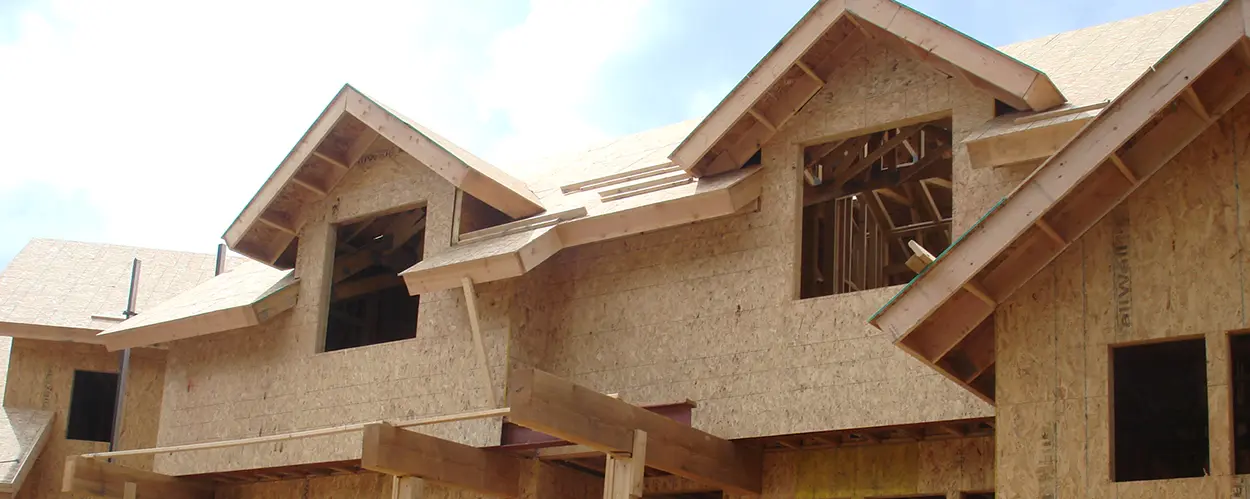
Table of Contents If you’re ordering oriented strand board (OSB) for a job site — whether a roof, wall sheathing, or subfloor — one of the first questions you’ll ask is: how many sheets in pallet of 7/16 OSB weigh? This determines shipping costs, handling logistics, storage space, and overall project budgeting.In this post, we break it down in clear, practical terms based on real product specs and typical supplier data like Lowes OSB offerings and manufacturer standards. What is 7/16 OSB? A sheet of OSB (oriented strand board) is an engineered wood panel widely used in construction. When someone refers to 7/16 OSB, they mean a sheet that’s 7/16 inches thick (about 11.1 mm) — ideal for wall and roof sheathing.OSB is made of compressed wood strands bonded with resin. It’s strong, cost-effective, and commonly stocked by retailers like Lowe’s, Home Depot, and lumber yards. Standard OSB Sheet Sizes Most OSB sheets come in the following size: 4 feet x 8 feet (standard for general construction) Occasionally 4 x 9 or 4 x 10 for specialty projects In this article, we’ll assume the 4’x8’ sheet unless otherwise noted. Weight of a Single 7/16 OSB Sheet Before estimating pallet totals, let’s talk weight. A typical 4×8 7/16 OSB board weighs around: 55 to 60 lbs per sheet (25–27 kg) This can vary slightly depending on manufacturer, moisture content, and resin formula — but 55–60 lbs is a reliable planning figure. How Many Sheets in a Pallet of 7/16 OSB? Most OSB pallets are assembled for efficient transport and handling. Standard pallet pack for 7/16 OSB: 33 sheets per pallet So when someone asks “how many sheets in pallet of 7/16 OSB weigh?” — the answer is generally 33 sheets. Total Pallet Weight Estimate Now that we know: ~55–60 lbs per sheet 33 sheets per pallet Estimated pallet weight: ~1,815 to 1,980 lbs(~825 to 900 kg) This matters for: Transport cost estimates Forklift or crane planning Job site storage and access Be sure to ask your supplier if they use heavier packing material or banded pallets — it can add 50–100 lbs to the total. Ordering Tips — What Contractors Should Know Check pallet counts before delivery: Size may vary by manufacturer. Ask about moisture content: OSB shipped in wet conditions temporarily weighs more. Stacking at site: Don’t stack vertically; keep dry and elevated with spacers. Confirm delivery equipment: Weigh trucks, forklifts, or tailgate lifts help safety. OSB vs. Plywood — Weight Comparison Many contractors consider plywood as an alternative. Generally: Material Sheet Weight Typical Application 7/16 OSB ~55–60 lbs Wall & roof sheathing 1/2” plywood ~60–70 lbs Sheathing & subfloor OSB is often lighter and more affordable, though plywood can be stronger in certain load conditions. For side-by-side comparison, see this OSB vs plywood comparison. Quick FAQ Can the number of sheets per pallet vary? Yes — custom orders or different manufacturers sometimes offer 30 or 36 sheets per pallet. Does 7/16 OSB meet building codes? Yes for many wall and roof applications, but always verify local code requirements. Is OSB waterproof? No — it resists moisture, but isn’t waterproof unless specially treated. Final Thoughts Understanding how many sheets in a pallet of 7/16 OSB weigh is crucial for accurate planning, safety, and cost control on construction projects. Most pallets contain 33 sheets, weighing around 1,800–2,000 lbs total. Whether you’re sourcing from Dongstar OSB inventory or ordering through a lumber supplier, confirming pallet specs ahead of time will save headaches on delivery day. Related Articles

How Many Sheets in a Pallet of 7/16 OSB Weigh? Project Guide Read More »

Plywood Sheathing vs. OSB-Which is Best for Exterior Walls

Plywood Sheathing vs. OSB: Which is Best for Exterior Walls?

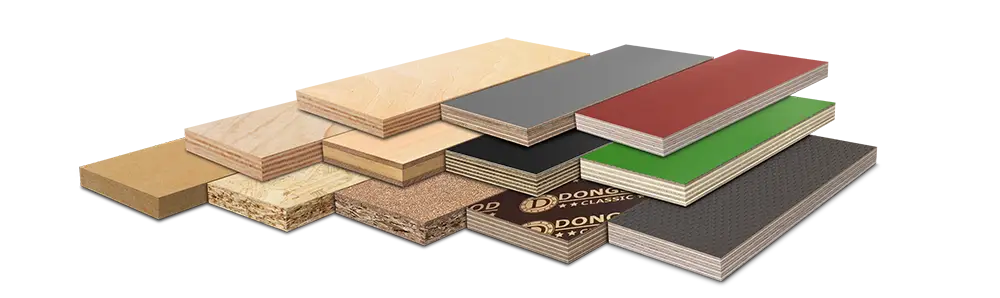
Table of Contents When building or renovating, choosing the right sheathing material for your exterior walls is crucial for structural integrity, weather resistance, and long-term performance. The two main options—Plywood and Oriented Strand Board (OSB)—each have distinct advantages and drawbacks. This guide compares them across key factors like moisture resistance, strength, cost, and installation to help you make an informed decision for your project. 1. Key Differences: Plywood and OSB at a Glance What Is Plywood Sheathing? Plywood is made from thin layers of wood veneer (called “plies”) glued together with adjacent layers having their wood grain rotated up to 90 degrees. This cross-graining enhances strength and reduces shrinkage and swelling. For exterior walls, exterior-grade plywood uses waterproof adhesives and is often rated for exposure to moisture. What Is OSB Sheathing? OSB (Oriented Strand Board) is engineered from compressed wood strands mixed with adhesives. These strands are arranged in cross-oriented layers, similar to plywood, but the material consists of flakes rather than continuous veneers. Like plywood, exterior-grade OSB uses waterproof binders. 2. Performance Comparison: Moisture, Strength, and Installation Moisture Resistance and Swelling Plywood: Performs better when exposed to moisture. It swells more uniformly when wet and dries back closer to its original shape. This makes it less prone to edge swelling and related issues like “ghosting” (visible seams under siding). OSB: Is more susceptible to permanent edge swelling and degradation when repeatedly wetted or exposed to high humidity. It can take longer to dry, potentially leading to problems in damp climates or if left exposed to weather before installing protective barriers. Structural Strength and Stiffness Plywood: Generally has higher axial and flexural strength compared to OSB of the same thickness. This can be beneficial for resisting high wind loads or seismic forces, especially in multi-story construction or areas requiring strong shear walls. OSB: Is often stiffer initially in bending but can weaken more significantly when damp. Studies on shear wall performance have shown that walls sheathed with plywood can exhibit better shear performance and energy dissipation under cyclic loads (e.g., earthquake simulation) compared to some OSB panels. Installation and Handling Plywood: Is typically lighter and easier to handle and cut on-site. It holds fasteners (nails, screws) well, especially at the edges. OSB: Is generally denser and heavier. It requires care when cutting, as exposed cut edges are particularly vulnerable to moisture intrusion. Using the correct fasteners and following manufacturer guidelines for spacing are crucial for achieving designed structural capacity. Building Code and Compliance Both plywood and OSB are recognized in building codes (e.g., IRC, IBC) for structural wall sheathing. Specific requirements for thickness and attachment are based on engineering design loads, wall stud spacing, and wind or seismic risk categories. Some high-hazard wildfire zones or specific architectural designs might have additional requirements. 3. Which Should You Choose? Application-Based Recommendations Choose Plywood Sheathing If: Your project is in a humid climate or high-moisture area. Its superior moisture resistance is valuable in regions with frequent rain, high humidity, or coastal environments.The sheathing might be exposed to weather during construction. Plywood handles moisture exposure better if there are delays in installing the weather-resistant barrier (WRB) and siding.You need superior screw-holding capacity, especially near panel edges for attaching siding or trim.Budget is less of a primary constraint, and you prioritize long-term performance and resilience. Choose OSB Sheathing If: You are working within a tight budget. OSB is typically 20-30% cheaper than plywood, making it a cost-effective choice for large projects.The project is in a dry climate, and you are confident the panels will be well-protected from moisture during and after construction.You are using engineered designs where consistent panel strength and stiffness are specified, and moisture risk is managed. Pro Installation Tips for Both Materials Follow Building Codes: Adhere to local building codes for required thickness based on stud spacing (e.g., ⅝” or ½” for 24″ stud spacing is common). Seal Seams and Protect the Assembly: Use house wrap or felt paper correctly as a weather-resistant barrier (WRB) over the sheathing. Tape sheathing seams if required by the WRB system or local code. Mind the Gaps: Install panels with a 1/8-inch gap at all end and edge joints to allow for minor expansion from temperature and humidity changes. This is critical for OSB to minimize the risk of buckling. Use Proper Fasteners: Follow code requirements for nail type (e.g., 8d common), length, and spacing (e.g., 6″ on edges, 12″ in field) to ensure the shear wall performs as designed. Protect During Construction: If possible, avoid prolonged exposure to rain and sun.Schedule the installation of the WRB and siding as soon as possible after the sheathing is installed. Conclusion: Plywood for Moisture Resilience, OSB for Budget Efficiency The choice between plywood and OSB for exterior wall sheathing isn’t about one being universally “better” than the other. It’s about selecting the right material for your specific project’s climate, budget, and performance requirements.For optimal moisture management and longevity → Choose PlywoodFor cost-effective strength in dry conditions → Choose OSB

Plywood Sheathing vs. OSB: Which is Best for Exterior Walls? Read More »

Scroll to Top

Submit Now, Get Best Quote Today.​

Get in Touch

Please feel free to leave your information.

Dongstar- Plywood