Home » What Do the OSB Grades Mean? (OSB1, OSB2, OSB3, OSB4)

What Do the OSB Grades Mean? (OSB1, OSB2, OSB3, OSB4)

Table of Contents

Introduction to Oriented Strand Board

What is OSB and How It’s Manufactured

Oriented Strand Board (OSB) is one of the most widely used engineered wood products in today’s construction industry. Made by compressing layers of wood strands with adhesives under high pressure, OSB offers excellent strength, stability, and cost efficiency.

Unlike traditional plywood, OSB uses fast-growing wood species, making it both economical and sustainable. That’s why builders, contractors, and project buyers rely heavily on OSB Board for structural and non-structural applications.

Why OSB Board is Widely Used in Construction

There’s a reason OSB demand keeps rising globally:

  • Lower cost than plywood
  • Consistent quality and density
  • Strong load-bearing performance
  • Wide availability in different grades

But here’s what many buyers overlook — not all OSB boards are the same. Choosing the wrong grade can lead to swelling, structural failure, or unnecessary costs.

What Do the OSB Grades Mean - OSB1,OSB2, OSB3, OSB4

Understanding OSB Grades: Why They Matter

European Standard EN 300 Explained

OSB grades are defined under the EN 300 standard, which classifies boards based on:

  • Load-bearing capacity
  • Moisture resistance
  • Intended use environment

This classification helps project managers select the right material for specific conditions.

Load-Bearing vs Non-Load-Bearing OSB

Before diving into OSB 1, OSB 2, OSB 3, and OSB 4, understand this:

  • Non-load-bearing OSB: Used for furniture, packaging
  • Load-bearing OSB: Used for walls, roofs, floors

The higher the grade, the stronger and more moisture-resistant the board.

OSB1 Explained

Features and Limitations of OSB1

OSB1 is the most basic grade of Oriented Strand Board.

Key characteristics:

  • Non-load-bearing
  • Designed for dry conditions only
  • Lowest cost option

However, it has very limited strength and almost no moisture resistance.
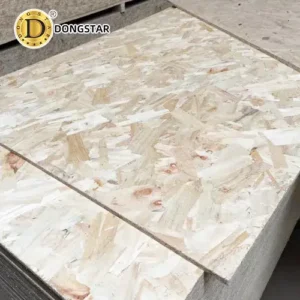
OSB1
OSB1

Best Use Cases for OSB1

OSB 1 is suitable for:

  • Furniture backing
  • Interior decoration
  • Packaging materials

If your project involves humidity or structural load, skip this grade.

OSB2 Explained

Strength and Performance of OSB2

OSB2 steps up the game slightly.

Features include:

  • Load-bearing capability
  • Suitable for dry indoor environments
  • Better strength than OSB1

Still, moisture is its weak point.

OSB2
OSB2

Ideal Applications for OSB2

Use OSB2 for:

  • Interior structural panels
  • Flooring in dry areas
  • Partition walls

But don’t use it outdoors or in humid conditions — it won’t last.

OSB3 Explained

Moisture Resistance and Durability

Now we’re talking about the most popular option — OSB3.

This grade offers:

  • Load-bearing performance
  • Moisture resistance
  • Versatility across environments

That’s why OSB 3 dominates global construction projects.
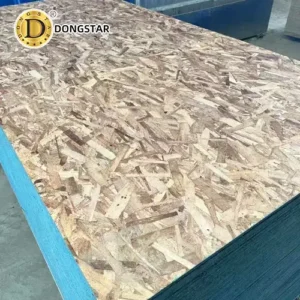
OSB3
OSB3

Why OSB3 is the Most Popular Choice

For project buyers, OSB3 hits the sweet spot:

  • Works in humid environments
  • Suitable for roofing and wall sheathing
  • Cost-effective compared to OSB4

If you’re unsure, OSB3 is usually the safest choice.

OSB4 Explained

Heavy-Duty Performance and Strength

OSB4 is the premium-grade OSB Board.

Key advantages:

  • High load-bearing capacity
  • Superior moisture resistance
  • Designed for heavy-duty applications
OSB4
OSB4

Industrial and Structural Applications

Use OSB4 for:

  • Industrial flooring
  • High-load structural systems
  • Extreme weather environments

It’s more expensive — but worth it for demanding projects.
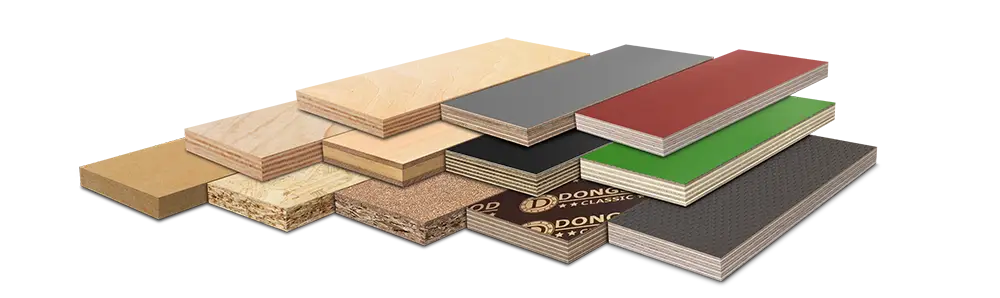
OSB1 vs OSB2 vs OSB3 vs OSB4

Side-by-Side Comparison Table

GradeLoad-BearingMoisture ResistanceTypical Use
OSB1NoLowFurniture, packaging
OSB2YesLowIndoor structural use
OSB3YesMediumConstruction, humid areas
OSB4YesHighHeavy-duty structural


Which OSB Grade Should You Choose?

Here’s a simple rule:

  • Dry indoor use → OSB1 or OSB2
  • General construction → OSB 3
  • Heavy-duty or wet conditions → OSB 4

Common Mistakes When Selecting OSB Grades

Choosing Based on Price Only

Cheaper isn’t always better.

Using OSB 2 instead of OSB 3 in humid conditions can lead to:

  • Swelling
  • Warping
  • Structural failure

Ignoring Moisture Conditions

This is the biggest mistake in OSB selection.

Always match the grade to the environment — especially for outdoor or semi-exposed projects.

High-Converting Use Cases for Each OSB Grade

Residential Construction

  • Roof decking → OSB3
  • Subflooring → OSB3 or OSB4
  • Interior panels → OSB2

Commercial Projects

  • Industrial flooring → OSB4
  • Wall sheathing → OSB3
  • Packaging → OSB1

FAQs About OSB Grades

1. What is the difference between OSB 3 and OSB 4?

OSB 4 has higher strength and moisture resistance, making it suitable for heavy-duty use.

2. Can OSB 2 be used outdoors?

No. OSB 2 is only for dry indoor environments.

3. Why is OSB 3 so popular?

Because it balances cost, strength, and moisture resistance.

4. Is OSB 4 worth the extra cost?

Yes, for high-load or high-moisture environments.

5. Which OSB grade is best for roofing?

OSB 3 is the most commonly used option.

6. Can OSB replace plywood?

In many cases, yes — especially when using OSB 3 or OSB 4.

Final Bottom Line

Understanding OSB grades isn’t just technical — it directly impacts your project’s success.

Choosing the right Oriented Strand Board:

  • Saves costs
  • Prevents failures
  • Improves durability

If you’re sourcing OSB Board for construction, always prioritize the correct grade over price alone. It’s a small decision that makes a big difference.

Leave a Comment

Your email address will not be published. Required fields are marked *

Scroll to Top
Dongstar Canton Fair Plywood Guide

Invitation Letter

Dates: April 23-27, 2026

Location: Guangzhou, Guangdong, China

No.12.1 G37-38, H11-12, Brand Zone Booth, China Import and Export Fair Complex

Looking forward to seeing you at The 139th Canton Fair

Click here to make an appointment to visit the Dongstar The 139th Canton Fairbooth and get the best price at The 139th Canton Fair.