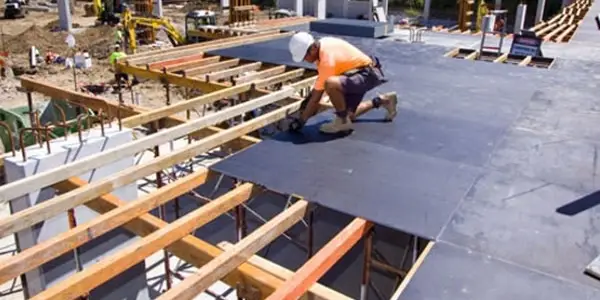
Table of Contents
Why Film Faced Plywood Still Matters in 2026
Film Faced Plywood remains one of the most searched and relevant construction materials for businesses in 2026. Across major markets, from infrastructure to industrial projects, this engineered plywood stands out for its performance and versatility. According to search trend data, “film faced plywood” consistently shows higher search volumes than alternative formwork terms, making it the top priority for B2B content and product pages.
1. What Is Film Faced Plywood?
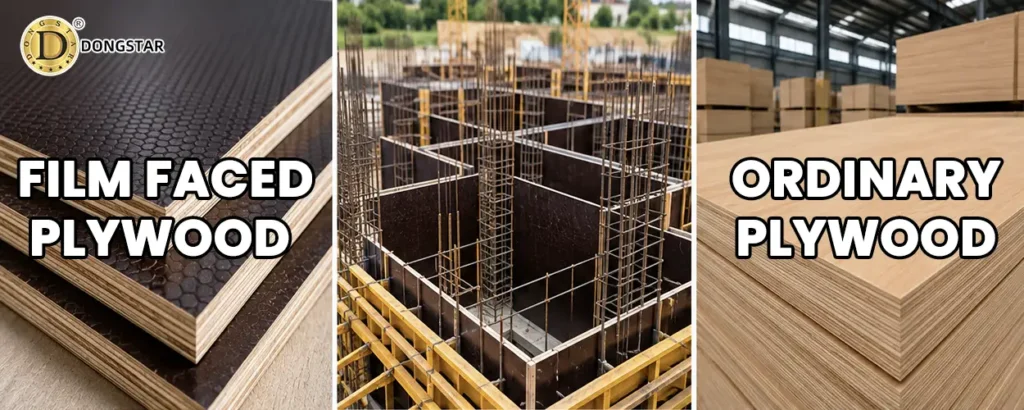
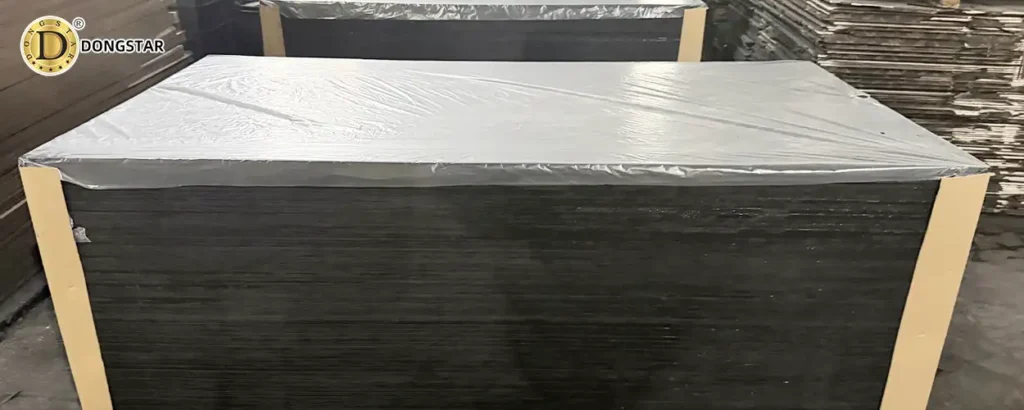
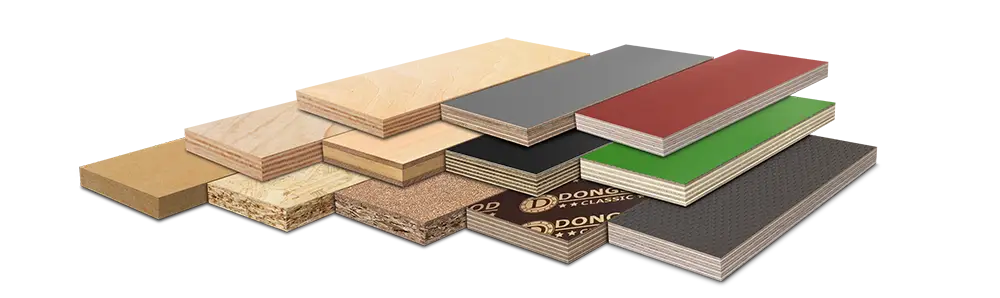
At its core, Film Faced Plywood is an engineered wood panel with a protective resin film bonded on both sides. The film — often phenolic or melamine — creates a smooth, water-resistant surface that protects the wood against moisture, abrasion, and chemical contact. This gives the material superior durability compared to regular plywood or untreated panels.
In simple terms, it’s plywood designed to work harder and last longer, especially in demanding environments like construction sites or heavy-duty industrial use.
Durability & Reusability
One of the biggest reasons contractors select Film Faced Plywood is its ability to be reused multiple times without performance loss. A high-quality panel can withstand dozens of uses, significantly lowering the cost per pour over traditional plywood options. In simple terms, it’s plywood designed to work harder and last longer, especially in demanding environments like construction sites or heavy-duty industrial use.
Water & Weather Resistance
Thanks to its phenolic film coating, this plywood resists water intrusion, swelling, and warping — essential for wet environments such as concrete formwork and outdoor construction.
Smooth Surface Equals Better Results
The smooth, non-porous surface of the coated plywood helps deliver cleaner concrete finishes, reducing post-pour finishing work. That means faster turnaround and lower labor costs on every project.
Strength Without Weight Penalty
While engineered for resilience, Film Faced Plywood remains relatively lightweight and easy to handle compared to steel or other heavy formwork materials — a key advantage on fast-moving job sites.
3. Business Use Cases in 2026
Film Faced Plywood now shows applications beyond traditional formwork:
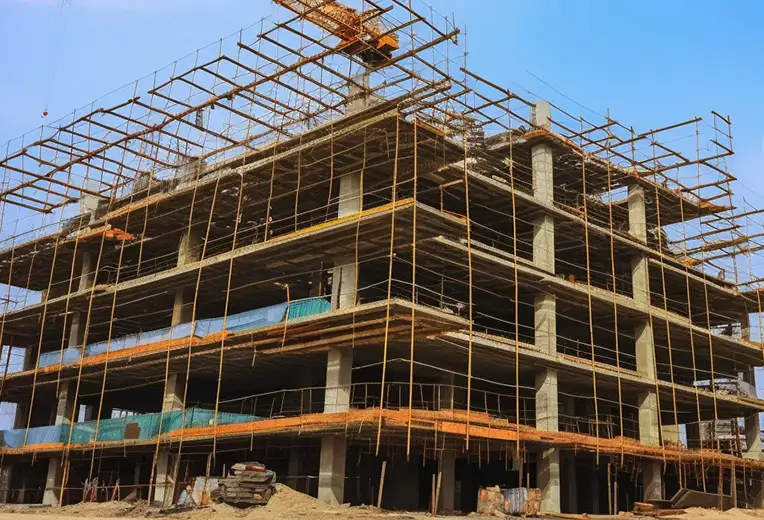
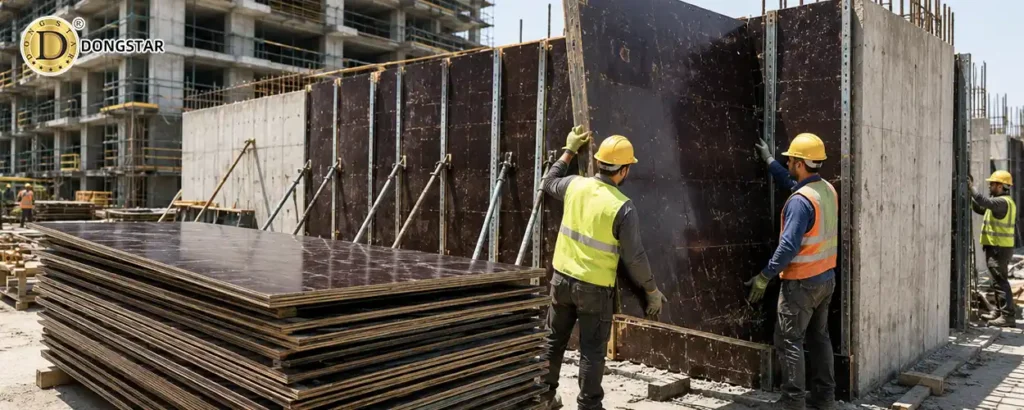
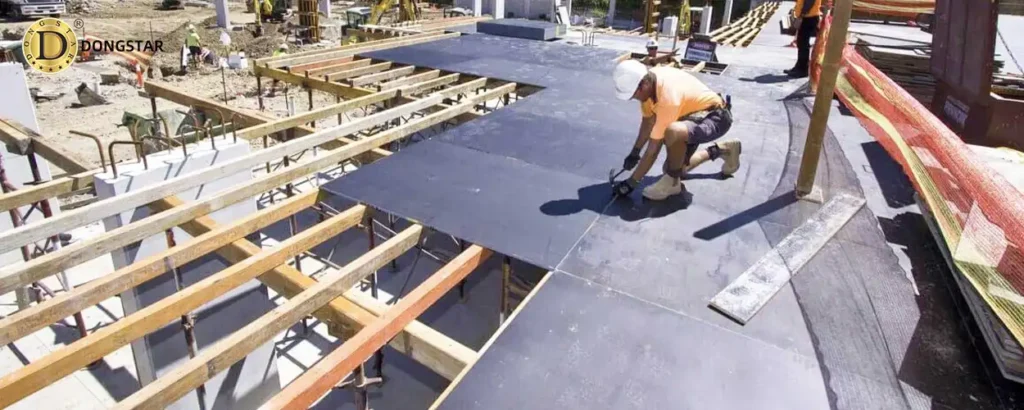
- Concrete Formwork & Shuttering — Columns, beams, slabs, and walls benefit from fast demolding and high surface quality.
- Temporary Work Platforms & Scaffolding Decks — Durable enough to handle heavy foot traffic and weather exposure.
- Industrial Packing & Crating — Used to protect heavy machinery during transport thanks to its impact and moisture resistance.
- Marine & Outdoor Structures — Increasingly common in temporary docks, sheds, and outdoor build sites where water exposure is a concern.
These diversified applications mean Film Faced Plywood is not just a construction product but a multi-use industrial material.
4. 2026 Market Trends You Can’t Ignore
Industry forecasts indicate steady growth for the Film Faced Plywood segment. Markets are projected to expand strongly alongside global infrastructure and urban development spending. Sustainability is also becoming a differentiator, with an increasing number of buyers requiring environmentally certified plywood products.
Emerging trends include:
- Eco-friendly resin systems and FSC/CARB compliance
- Specialized surface patterns (anti-slip, textured film)
- Automated production for consistency and precision
- Customization of sizes and thicknesses for specific project needs
5. How to Choose the Right Film Faced Plywood Supplier
When sourcing plywood for Business contracts, prioritize:
- Reusability ratings (number of cycles)
- Film quality and thickness
- Certification & environmental compliance
- Lead times and logistics support
Always ask for technical datasheets and performance guarantees before committing to large orders — this protects your project quality and budgets.
Conclusion: High ROI Material for Modern Business
In 2026, Film Faced Plywood isn’t just another construction material — it’s a strategic choice. With its blend of durability, efficiency, and adaptability, it delivers measurable ROI for businesses in construction, industrial, and B2B procurement markets.