Table of Contents
Building a garage loft is one of the most rewarding upgrades a homeowner or builder can undertake. Whether you’re adding storage space or finishing a small loft room, the most common question we hear is:
“How thick should plywood be for the subfloor in a garage loft?”
It might seem simple — but get this wrong and you’ll feel the floor flex, hear annoying creaks, and risk structural issues later.
In this post, we’ll break this down in clear, practical terms so you can make confident decisions on plywood thickness, materials, installation technique, and structural safety.
Understanding the Role of Plywood in a Garage Loft
The subfloor in a loft is more than just “something to walk on.” It:
- Transfers loads between joists and finish flooring
- Helps stiffen the framing
- Resists twisting or sagging under weight
- Provides a stable base for storage or living space
Plywood that is too thin will bend under load. Too thick, and you waste money and add unnecessary weight.
So the real question becomes:
What thickness balances strength, cost, and performance?
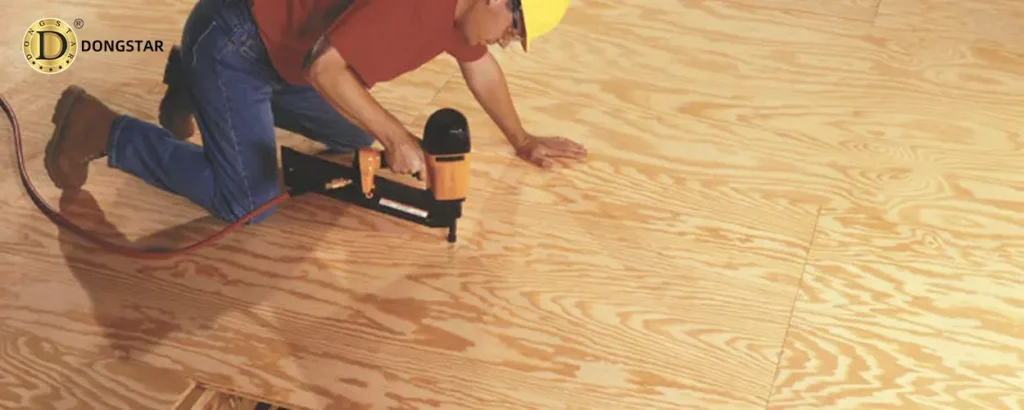
Optimal Plywood Thickness for Garage Loft Subfloor
Standard Recommendation
Most experienced builders and manufacturers recommend:
¾ inch (19 mm) plywood for garage loft subfloors
Why?
- Strong enough to carry heavy loads
- Minimal deflection (bounce)
- Works well with common joist spans
This thickness applies particularly when joist spacing is 16 inches on center (OC) — the most common residential spacing standard.
When You Might Use Thicker Material
You might consider thicker plywood if:
- Joists are spaced wider (e.g., 24″ OC)
- Heavy equipment or dense storage is planned
- You’re installing a finished floor (tile, engineered wood, or hardwood)
In those cases:
Upgrading to 1 inch (25 mm) to 1¼ inch (30+ mm) plywood can provide added stiffness and peace of mind without being overkill.
Plywood Types That Matter
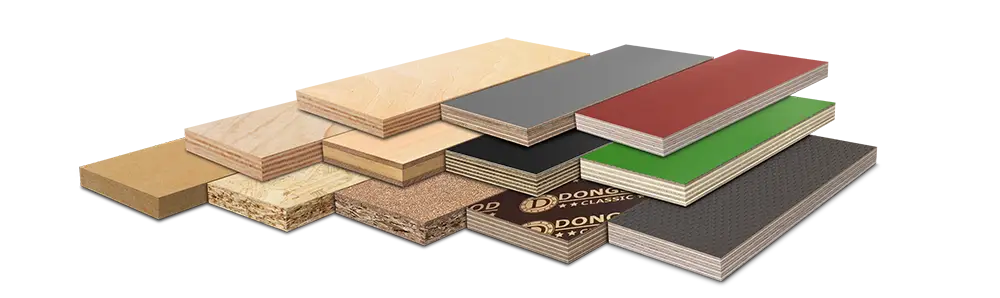
Not all plywood is created equal. For garage loft subfloors, look for:
Good Choices
- CDX Exterior-Grade Plywood – budget-friendly, commonly used for subfloors
- AC or BC Sanded Plywood – smoother surface if finish flooring will be installed
Avoid
- Roofing plywood
- Untreated interior plywood
- Plywood thinner than ⅝ inch (15 mm)
Plywood Thickness vs. Joist Spacing Chart
| Joist Spacing | Minimum Plywood Thickness |
|---|---|
| 12″ OC | ⅝″ acceptable (but ¾″ still better) |
| 16″ OC | ¾″ recommended |
| 19.2″ OC | ¾″ minimum; 1″ preferred |
| 24″ OC | 1″ or thicker |
Common Mistakes to Avoid
- Mistake #1: Using ½″ plywood
This is too flexible for most garage loft applications — you’ll feel bounce.
- Mistake #2: Ignoring joist spacing
Thick plywood without considering joist span = wasted money.
- Mistake #3: Forgetting edge blocking
Secure blocking between joists prevents squeaks and adds rigidity.
Quick Installation Tips
- Stagger joints when laying down plywood
- Glue between panels and joists for strength
- Use screws, not nails — screws resist pull-up better
- Leave 1/8″ expansion gaps at edges
These simple steps cut down creaks and keep your loft floor stable for decades.
FAQs
Yes, OSB is structurally similar but can be more prone to moisture swelling — plywood is usually a safer bet in unconditioned spaces like garages.
Absolutely. It reduces squeaks and binds panels to joists more securely.
Not always. Over-thick plywood adds weight and cost. Match thickness to load and joist spacing.
For garages, moisture exposure can happen. Use exterior or pressure-treated plywood if moisture is expected.
Yes — include a thicker base if you’re installing tile, hardwood, or engineered flooring.
Codes vary by region — it’s best to check local building codes or work with a structural engineer if unsure.
Final Bottom Line
For most garage loft projects:
- Thick Should Plywood = ¾ inch
This provides the best balance of strength, cost, and performance for common joist setups.
If your loft sees heavier loads or wider joist spacing, stepping up to 1 inch or more offers added reassurance.