Table of Contents
How to Waterproof Plywood?
knowing how to waterproof plywood can save you thousands in repairs and replacements. Whether you’re using Waterproof Plywood or standard Plywood, protection against moisture is non-negotiable.
Let’s break it down in a real-world, practical way—no fluff, just what actually works.
What is Plywood and Why Waterproofing Matters
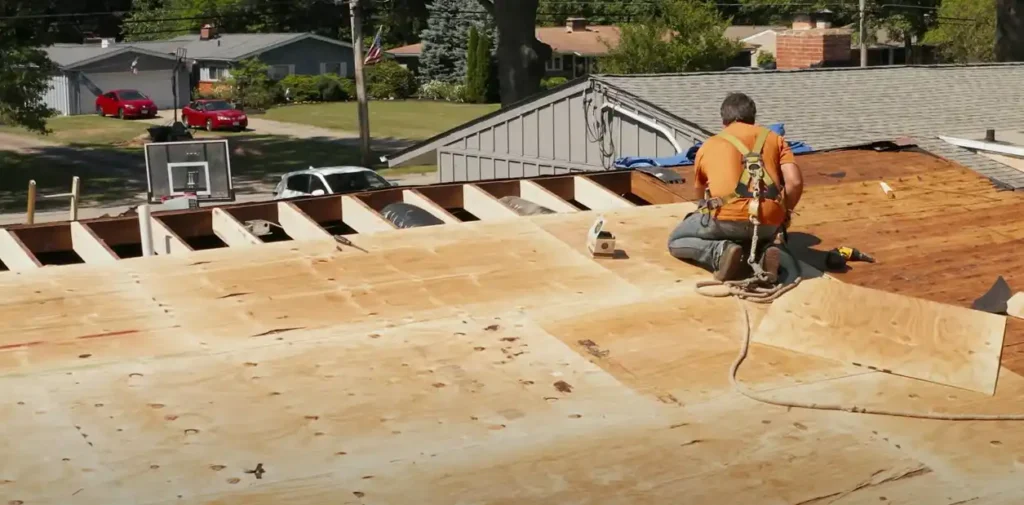
Plywood is made by bonding multiple layers of wood veneer together. It’s strong, lightweight, and widely used—but here’s the catch:
It’s NOT naturally waterproof.
Even high-quality plywood absorbs moisture, leading to:
- Warping
- Swelling
- Delamination
- Mold growth
Studies show untreated plywood can absorb up to 8% of its weight in water within 24 hours, weakening its structure significantly .
Is Waterproof Plywood Truly Waterproof?
Short answer: No—but it’s water-resistant.
Even so-called Waterproof Plywood (like marine plywood) is designed to resist water—not completely block it. Over time, exposure still causes damage if untreated.
Common Problems Without Waterproofing
- Surface cracking and fiber lifting
- Internal layer separation
- Reduced strength by up to 50% when wet
- Lifespan dropping to less than 1 year outdoors
Key Benefits of Waterproof Plywood for Projects
1. Structural Durability
Waterproofing prevents internal glue failure and layer separation, keeping your plywood strong under stress.
2. Cost Efficiency
Instead of replacing materials yearly, properly sealed plywood can last 10–20+ years.
3. Long-Term Outdoor Use
From decks to roofing, waterproofing enables plywood to survive:
- Rain
- Humidity
- UV exposure
Best Methods to Waterproof Plywood
Here are the most effective, contractor-approved methods:
1. Epoxy Resin Coating (Best Overall)
- Creates a thick, non-porous barrier
- Ideal for marine and heavy-duty use
- Extremely durable (8+ years lifespan)
Best for: Boats, outdoor structures, high-moisture environments
2. Waterproof Sealants
Sealants are one of the easiest and most popular options.
Types include:
- Polyurethane
- Acrylic
- Silicone-based
✔ Easy to apply
✔ Affordable
✔ Good for DIY projects
3. Waterproof Paint
- Adds both protection and aesthetics
- Requires 2–3 coats minimum
- Works well for furniture and walls
4. Waterproof Membrane
- Provides complete moisture barrier
- Used in roofing, bathrooms, and flooring
Types:
- Liquid membranes
- Sheet membranes
5. Wood Oils & Penetrating Treatments
Natural look
Moderate protection
Needs regular maintenance
Step-by-Step Guide: How to Waterproof Plywood
Step 1: Surface Preparation
- Sand using 120–180 grit sandpaper
- Remove dust completely
- Ensure surface is dry
(Proper prep improves adhesion significantly )
Step 2: Apply Waterproof Coating
Depending on your method:
- Brush or roll evenly
- Cover all surfaces (including edges)
- Apply multiple coats
Step 3: Drying & Curing
- Follow manufacturer instructions
- Avoid moisture during curing
- Allow full drying before use
Waterproofing Edges and Joints (Critical Step)
Most people skip this—and regret it later.
Edges are the weakest point of plywood, where water penetrates first.
Always:
- Seal edges with extra coats
- Use edge sealant or epoxy
- Cover joints completel
Best Waterproof Plywood Types for Construction
Marine Plywood
- Highest water resistance
- Used in boats and wet environments
Exterior Grade Plywood
- Treated for weather exposure
- Suitable for outdoor construction
Common Mistakes to Avoid
- Skipping surface sanding
- Applying only one coat
- Ignoring edges
- Using indoor paint outdoors
- Not allowing proper curing time
Maintenance Tips for Long-Term Performance
- Reapply coating every 2–5 years
- Inspect for cracks or peeling
- Clean surfaces regularly
Cost Analysis: DIY vs Professional Waterproofing
| Option | Cost | Best For |
|---|---|---|
| DIY Sealant | Low | Small projects |
| Epoxy Coating | Medium | Outdoor use |
| Professional Membrane | High | Large construction |
Real Use Cases
- Outdoor decking
- Bathroom subflooring
- Furniture manufacturing
- Roofing base layers
- Marine applications
FAQs About How to Waterproof Plywood
No, but proper treatment makes it highly water-resistant.
Epoxy resin offers the strongest and longest-lasting protection.
Up to 20+ years with proper sealing and maintenance.
Yes for light use, but not for heavy exposure.
Absolutely—edges are the most vulnerable part.
Yes, for high-moisture environments and long-term durability.
Final Thoughts
Mastering how to waterproof plywood is essential for any serious project. Whether you’re using standard Plywood or investing in Waterproof Plywood, the right method can mean the difference between failure and a structure that lasts decades.
If you want reliability:
- Use epoxy for maximum durability
- Seal edges carefully
- Apply multiple coats